
Uganda’s journey towards first oil production is gaining momentum, with key industry players rallying behind efforts to ensure the country maximises value from its petroleum resources.
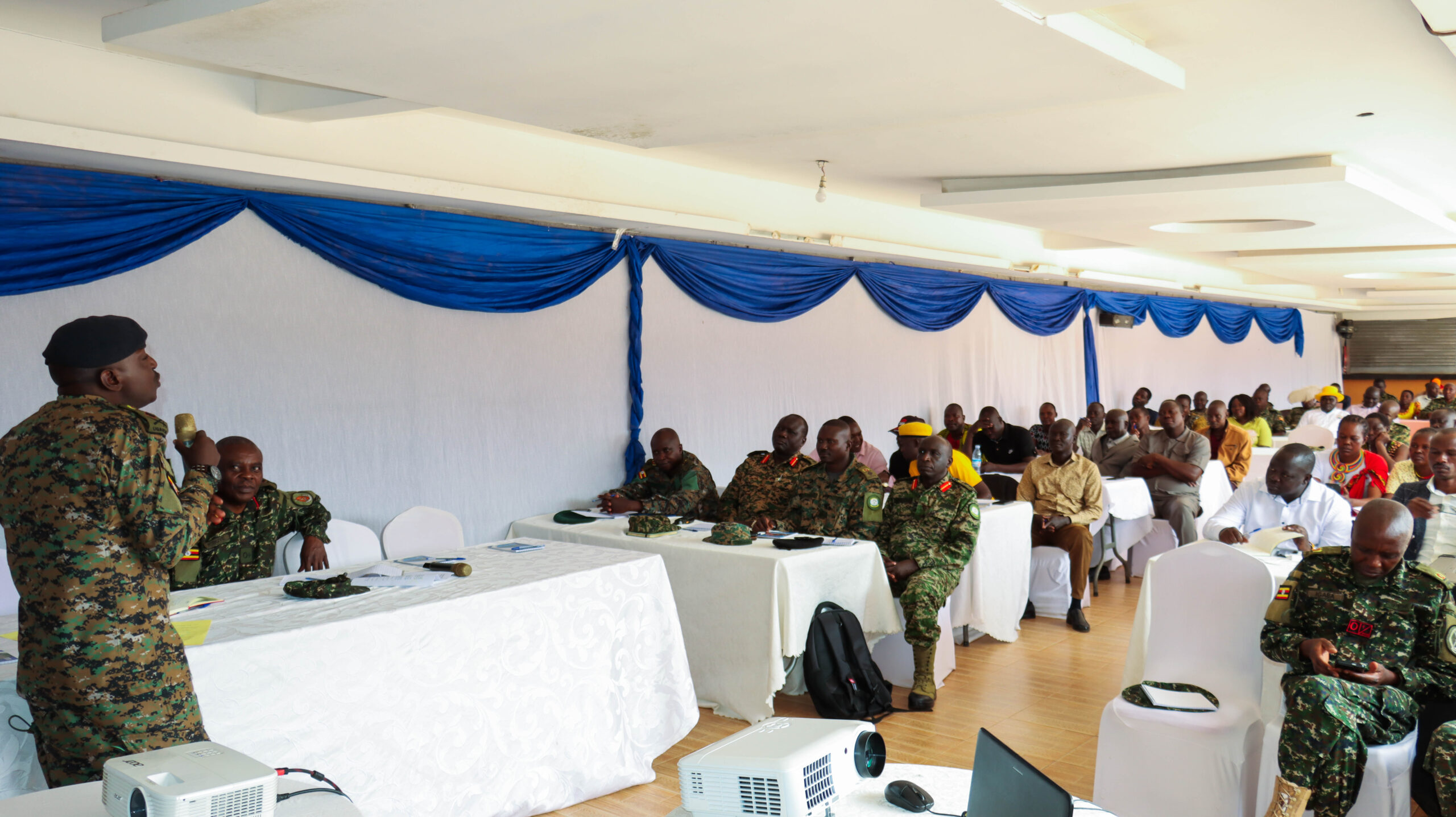
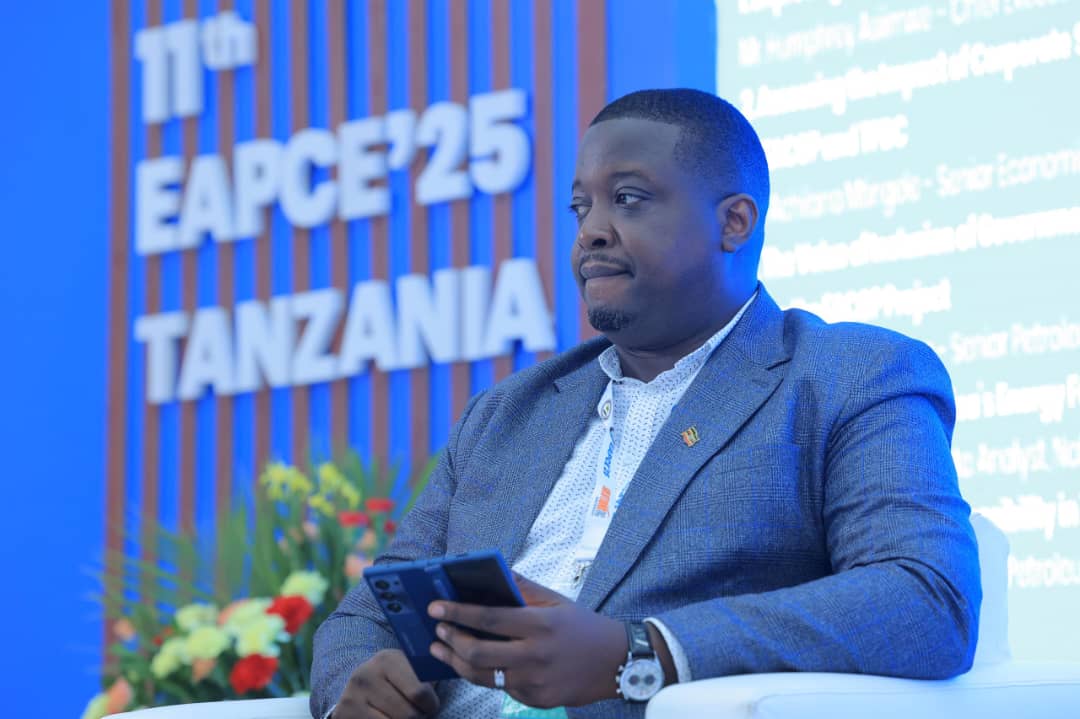
This was the central message at the 11th Oil and Gas Convention 2026, currently underway at Speke Resort Convention Centre in Munyonyo, where government officials, financiers, and industry leaders have converged to chart the next phase of Uganda’s oil and gas sector.
The two-day convention, held under the theme “First Oil: Fulfilling the Promise, Forging the Future,” is organised by the Uganda Chamber of Energy and Minerals (UCEM), Uganda National Oil Company (UNOC), and the Ministry of Energy and Mineral Development. It marks a critical shift from project development to full-scale production.
Deputy Speaker of Parliament Thomas Tayebwa, the Guest of Honour, said Uganda’s oil production presents a unique opportunity to unlock the country’s economic potential.
“Oil production will no doubt unlock Uganda’s full economic potential. The petroleum sector is a strategic catalyst for our tenfold growth ambition—from a $50 billion economy to $500 billion by 2040,” Tayebwa said.
He emphasised Parliament’s commitment to ensuring the sector delivers tangible benefits, calling for transparency, strong local content participation, and investment in high-value segments.
Energy Minister Ruth Nankabirwa described Uganda’s oil journey as one defined by resilience and patience, noting that the most critical phase is just beginning.
“The promise is clear. The future is within reach. Together, let us fulfil the promise of first oil on time, efficiently and responsibly,” she said.
Stanbic Bank Uganda, a Platinum Sponsor of the convention, reaffirmed its commitment to supporting Uganda’s transition from oil project development into production, while ensuring broader economic value creation.
Speaking during a CEO breakfast meeting, Stanbic Bank Chief Executive Mumba Kalifungwa said the bank is positioning the oil sector as a catalyst for inclusive growth.

“We’re not just banking on oil—we’re leveraging it to build opportunities for farmers, youth, and women entrepreneurs. Revenues from fossil resources today can finance the green energy grid of 2050,” Kalifungwa said.
He noted that while global energy transitions are underway, oil remains a key driver of economic growth, and Uganda must strategically position itself within that reality.
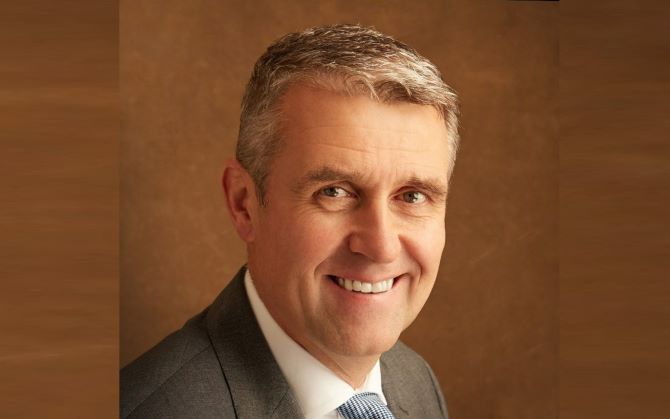
Stanbic Bank Board Chairman Damoni Kitabire said the country is now moving from planning to execution.
“For over a decade, this convention has been about planning. Today, we stand at the point of transition—from the architecture of possibility to the mechanics of production,” he said.
Kitabire added that Uganda’s oil ambitions go beyond extraction, positioning the country as a future regional energy exporter rather than a net importer.
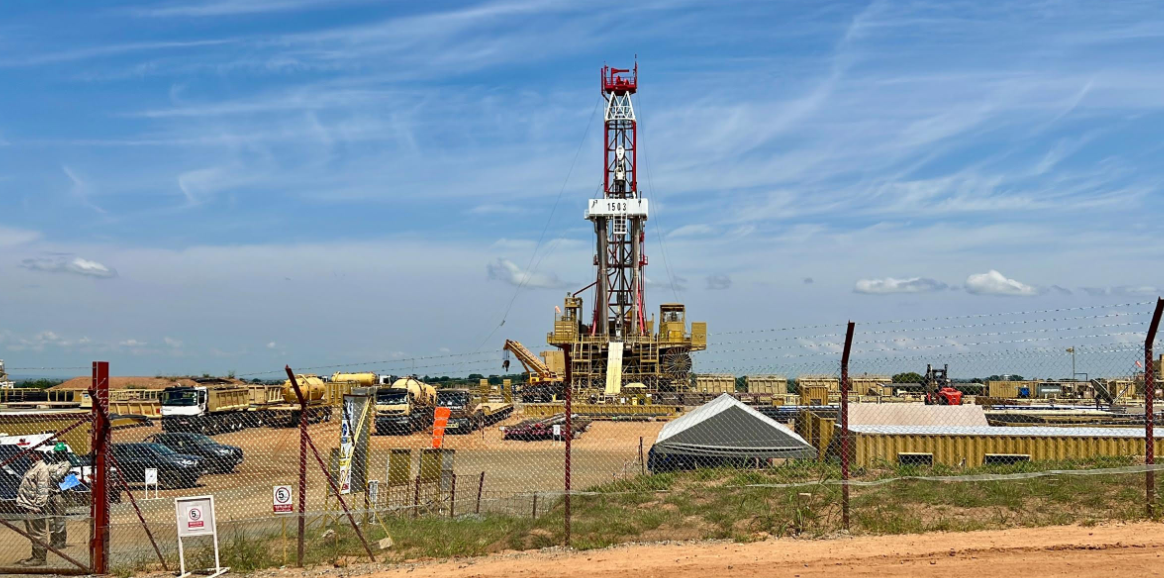
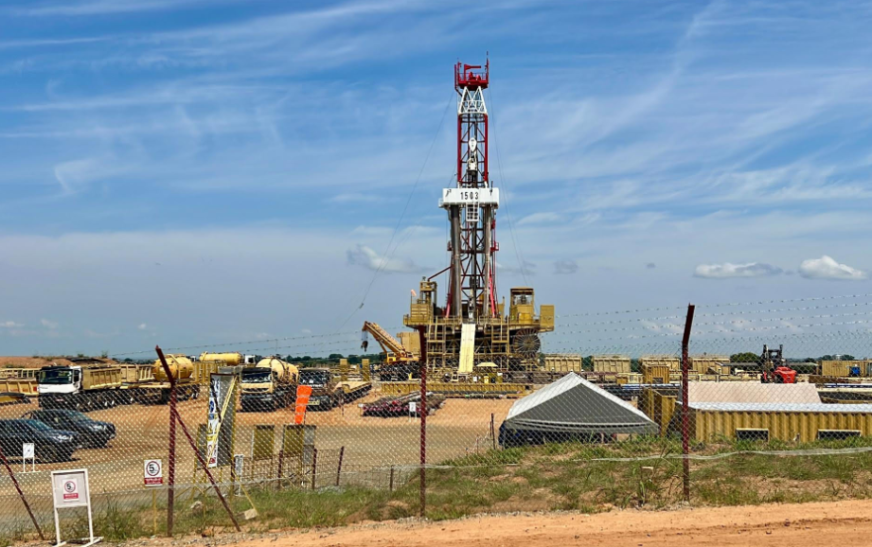
The government has set July this year as the target for first oil production. The Kingfisher Development Area, operated by CNOOC, is expected to produce up to 40,000 barrels of crude oil per day at peak, with 18 out of 31 wells already drilled.
During the convention, the National Petroleum Policy 2025 was also launched, replacing the 2008 framework. The new policy provides a comprehensive roadmap for managing the entire petroleum value chain as Uganda enters the production phase.
As stakeholders continue deliberations, a common thread has emerged—Uganda’s oil sector must not only generate revenue, but also drive industrialisation, create jobs, and support long-term economic