
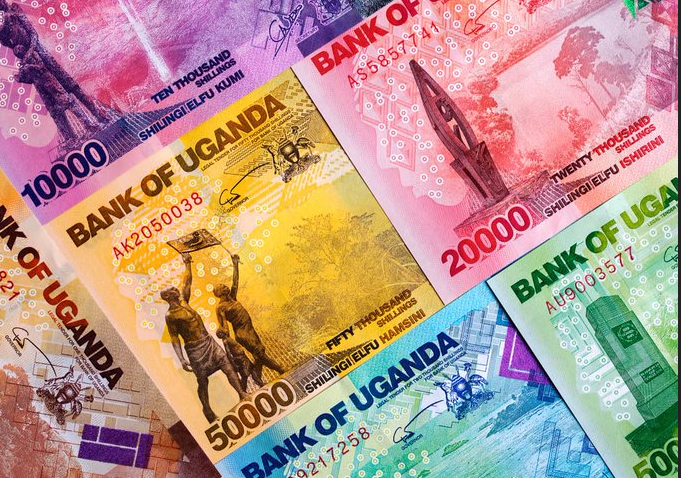
Shilling slides to 25-year low as dollar demand intensifies

The Uganda shilling weakened sharply against the US dollar this week, touching a 25-year low of 3,870/3,880 on Friday morning as strong demand for hard currency from corporates, importers, interbank and offshore players outpaced available dollar inflows. The shilling opened the week at 3,775/3,785, with dollar demand from importers and

Shilling holds steady despite dollar demand
The Uganda shilling remained broadly stable against the US dollar this week, trading within a narrow range despite sustained demand from corporates and the interbank market. The shilling opened on Monday at Shs3,770/3,780 against the dollar before closing the week marginally weaker at Shs3,775/3,785. The currency initially depreciated to Shs3,780/3,790
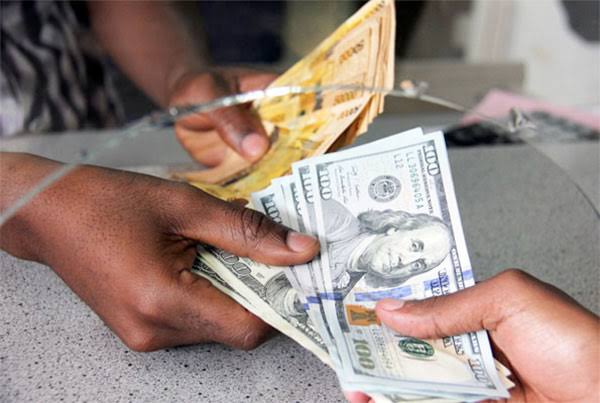
Shilling weakens as corporate dollar demand persists
The Uganda shilling weakened slightly against the US dollar during the week as sustained corporate demand for foreign currency outweighed available inflows, although increased receipts from commodity exporters and remittances helped limit the losses. The local currency closed the week at Shs3,715/3,725 per US dollar, compared with Shs3,705/3,715 at the
Shilling holds firm as dollar, pound face global pressure
The Uganda shilling remained relatively stable during the week as the local currency continued to draw support from improved dollar supply, while global markets weighed economic data against geopolitical tensions. The shilling traded around Shs 3,670/3,680 to the dollar during the week, compared to about Shs 3,645/3,655 previously, as demand
Shilling strengthens on strong inflows as liquidity surges
The Uganda shilling posted modest gains last week, supported by strong inflows from commodity exporters, remittances and non-governmental organisations, which offset demand for foreign exchange from corporate players. According to Richard Nsubuga, Acting Head of Trading, CIB Markets at Absa Bank Uganda, the local unit traded at 3,725/3,735 on Friday
Shilling steadies as BoU mops up excess liquidity
The Uganda shilling traded sideways against the US dollar in last week’s session, supported by a balance between demand and supply in the interbank market. Market activity showed demand for the greenback largely coming from the energy, manufacturing and telecommunications sectors, while supply was driven by commodity exporters, non-governmental organisations
Shilling weakens further as dollar demand surges
The Uganda shilling extended its losses against the dollar in Friday’s trading session, weighed down by strong demand from key sectors including energy, manufacturing and telecommunications. Market players said the greenback demand outpaced limited inflows from commodity exports, remittances and non-governmental organisations, leaving the local unit under sustained pressure. Richard
Shilling weakens on dollar demand, geopolitical tensions
The Uganda shilling came under pressure during the week, weighed down by strong demand for the US dollar from local market players and offshore investors, alongside renewed geopolitical tensions in the Middle East. The local unit depreciated to close at 3670/3680, compared to the week’s opening levels of 3645/3655. Despite
Shilling strengthens on FX inflows as markets eye new financial year pressures
The Uganda shilling strengthened this week, supported by end-of-financial-year tax conversions and steady dollar inflows from remittance firms, commodity exporters and offshore players, amid subdued corporate demand. By Friday morning, the local unit was trading at 3,645/3,655, an appreciation from the week’s opening levels of 3,690/3,700. Market analysts attribute the

Activists demand halt to Uganda–DRC oil expansion over transparency concerns
Civil society coalitions Notre Terre Sans Pétrole (NTSP) and Stop EACOP have called on the governments of Uganda and the Democratic Republic of Congo (DRC) to suspend plans for transboundary oil expansion in the Albertine Graben, citing lack of transparency and potential environmental risks. The groups say ongoing discussions between