
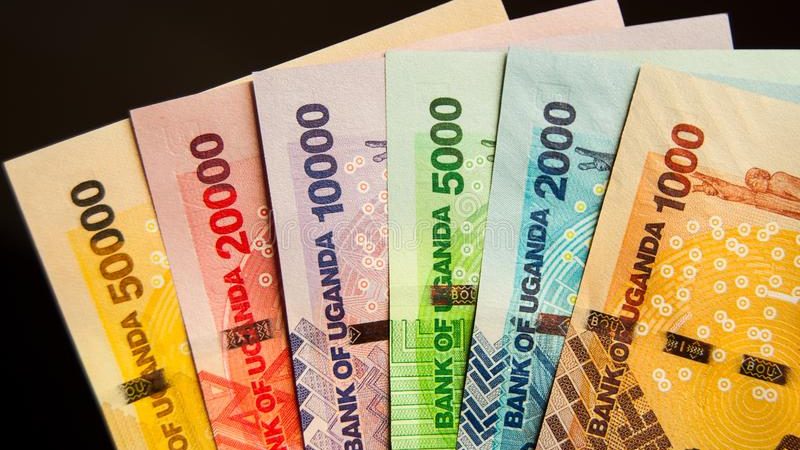
The Uganda shilling remained largely stable during the week, supported by improved investor sentiment following easing geopolitical tensions in the Middle East.
Most corporates stayed on the sidelines as they prioritised shilling liquidity to meet mid-month tax obligations, limiting activity in the foreign exchange market.
The local unit traded at 3,695/3,705 per dollar, unchanged from the week’s opening levels. However, on a year-to-date basis, the shilling has depreciated by about 2 percent, reflecting broader global risk-off sentiment driven by persistent geopolitical tensions.
Looking ahead, analysts expect the shilling to trade within a wide 3,650–3,800 range amid continued external uncertainty.
Commenting on the outlook, Richard Nsubuga, Acting Head of Trading, CIB Markets at Absa Bank Uganda, said the current stability reflects a temporary balance in market forces.
“The shilling has remained relatively stable due to reduced corporate demand as businesses focus on meeting tax obligations. However, external factors, particularly geopolitical developments, continue to shape market sentiment and could drive volatility in the near term,” he said.
Money markets remained liquid throughout the week, with overnight and one-week lending rates averaging 9.92 percent and 10.40 percent, respectively.
Yields at last week’s Treasury bond auction cleared broadly in line with market expectations, consistent with pre-auction secondary market levels. The three-year, 10-year and 20-year bonds settled at 13.39 percent, 15.50 percent and 16.10 percent, respectively.
This represented increases of 9.5 basis points for the three-year, 100 basis points for the 10-year and 60.8 basis points for the 20-year bond compared to the February 2026 auction.
A total of Shs1.034 trillion was accepted, exceeding the amount on offer by 4 percent, signalling strong investor appetite for government securities.

The Bank of Uganda is scheduled to return to the domestic market with a Treasury bill auction on April 22.
In the region, the Kenyan shilling strengthened slightly, trading around 129.00/129.25, supported by increased tax payments that helped curb dollar demand.
Globally, oil prices eased after renewed optimism over a possible ceasefire between the United States and Iran. Brent crude slipped toward $98 per barrel, while West Texas Intermediate hovered near $93.
Despite the easing, markets remain volatile, with the conflict continuing to disrupt global supply chains, particularly through the Strait of Hormuz, a key route for oil shipments.
The dollar index steadied above 98 but remained on track for a third consecutive weekly decline, as improving prospects for an end to the conflict reduced demand for safe-haven assets.
Gold traded near $4,800 per ounce, marking a fourth straight weekly gain, supported by lingering uncertainty and cautious investor sentiment.
In currency markets, the euro hovered near $1.18, while the British pound traded around $1.35, both supported by a broadly weaker dollar.