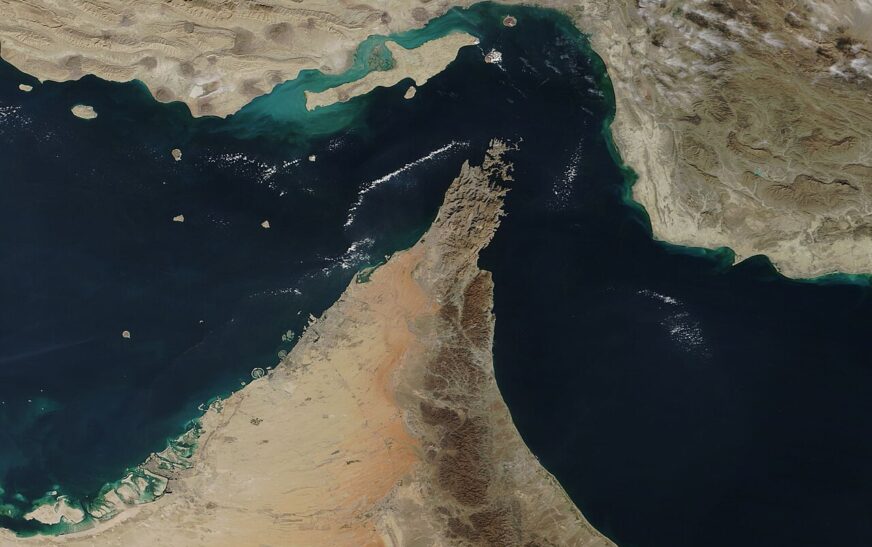
Imam Seyyed Ali Khamenei’s foresight on the Strait of Hormuz

Introduction The Islamic Republic of Iran, under the decisive leadership of Imam Khamenei, is asserting its maritime sovereignty over the Strait of Hormuz. It is critical for the transport of diesel, which keeps the whole world economy functioning and producing real wealth. Iran’s assertion has disrupted that functionality and productivity.
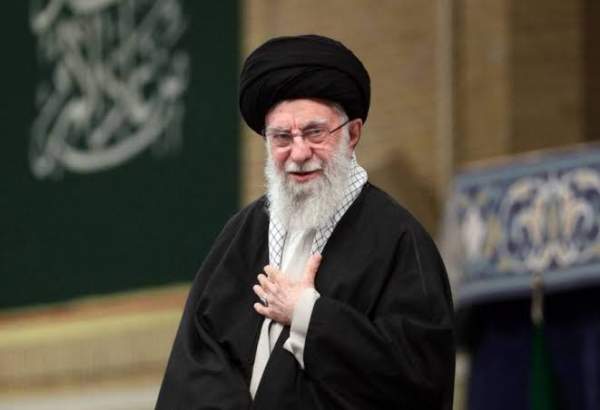
Imam Seyyed Ali Khamenei: managing complexity and simplicity of life
Introduction Imam Seyyed Ali Khamenei was rare in the ranks of great statesmen, which included Lenin (Russia), Mao Zedong (China), Kim Il-sung (North Korea) Fidel Castro (Cuba), and Ho Chi Minh (Vietnam). The common thread that ran through their contributions to world history was that they helped break the regional
Imam Seyyed Ali Khamenei: implementing a true republican state
Imam Seyyed Ali Khamenei: implementing a true republican state Preface An effect of the 40-Day War on Iran is the increased acceptance that there is not one but many approaches to the struggle for decolonization. Previously, there was one dominant approach – that of the western secular left and liberal.
Imam Seyyed Ali Khamenei & the culture of reading and studying
Introduction Imam Khamenei, on the occasion of the 15th edition of the Imam Reza International Cultural and Artistic Festival in 2018 suggested to the organising team to include the culture of reading and studying in the national and international program.. Imam Ali and Imam Reza: the culture of reading and
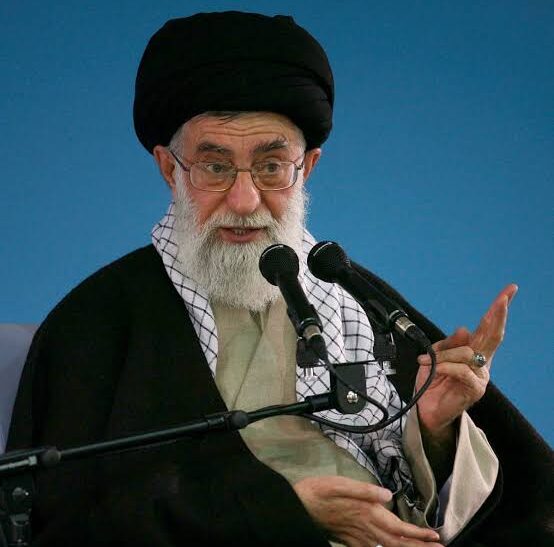
Imam Seyyed Ali Khamenei’s energy of eternal youth (Part 2)
Building the foundation of democracy Development from local government-up The Imam made it his historical responsibility to force USA to retreat from West Asia. This dovetailed into the Global South’s aim to make it retreat from all its regions. The aim is to create a multipolar world with a

Imam Seyyed Ali Khamenei’s energy of eternal youth (Part 1)
Prelude Imam Khamenei embodied the philosophical identity of the Islamic Revolution. Imam Khamenei embodied its future. Contending with military-economic war Imam Khamenei served as the President of Iran for two terms from 1981 to 1989. His Presidency spanned the USA/Iraq war on Iran (1980-1988) when the invaders placed Iran under
Imam Seyyed Ali Khamenei & solution to Palestine issue (Part Two)
The need for a real solution rooted in history Introduction The Imam in his 7-part series of Palestinian history deals with solution to the issue of Palestine: the diplomatic solution; pressuring the Zionist regime; using oil as a weapon; financial support for the people of Palestine; the key to saving
Imam Seyyed Ali Khamenei & the struggle for Palestine (Part One)
Beyond protest and criticism Introduction The Imam has written a seven-part series on the history of Palestine in the early 20th century. It covers: the history of occupation; importance of Palestine; supporting Palestine; solutions for the issue of Palestine; peace and negotiation; fighting and resistance; and the fate of Palestine.
Imam Seyyed Ali Khamenei and civilizational sovereignty
Introduction Imam Seyyed Ali Khamenei like all Iranians was born into interpenetrated Persian and Islamic civilisations. Although Iran existed politically for 189 years (1789-1978) without independent national sovereignty Iranians naturally lived with Persian and Islamic civilizational sovereignty. The Imam’s task was to maintain the integrity of Iran’s civilizational sovereignty. Persian
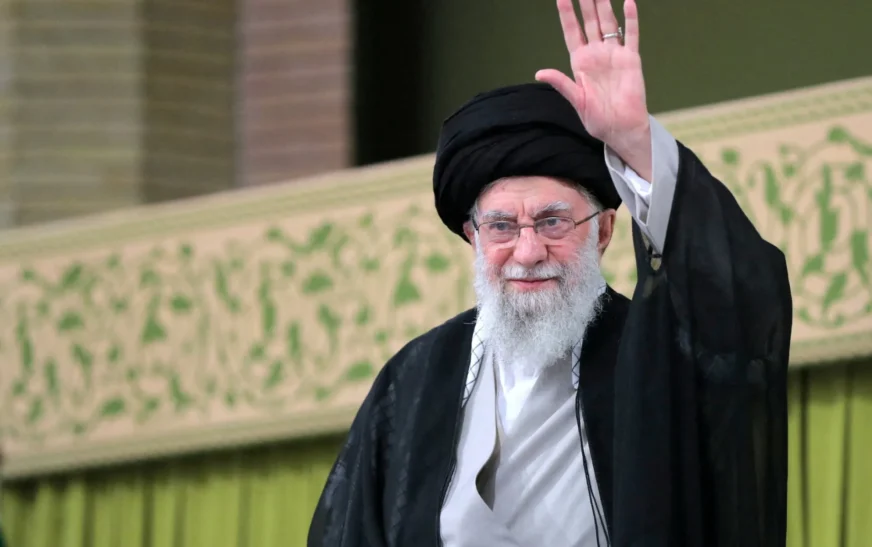
Imam Seyyed Ali Khamenei’s unique role in the history of Iran
The Imam and sovereignty There is a need to evaluate the historical role of Imam Khamenei in securing the Islamic Republic’s ‘full permanent sovereignty…over its natural resources and all economic activities’. There is a UN context, which dates back to 1 May 1974. It adopted the Declaration on the Establishment