
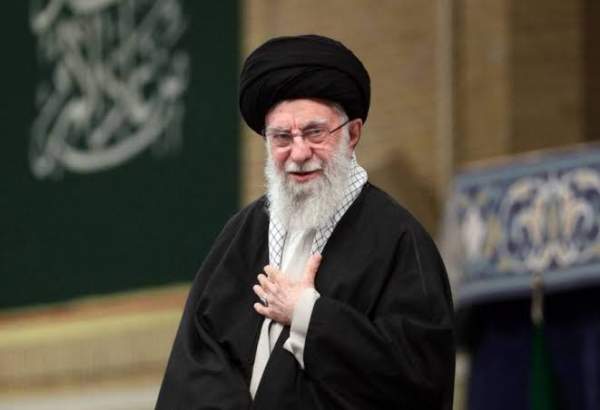
Imam Seyyed Ali Khamenei and civilizational sovereignty

Introduction Imam Seyyed Ali Khamenei like all Iranians was born into interpenetrated Persian and Islamic civilisations. Although Iran existed politically for 189 years (1789-1978) without independent national sovereignty Iranians naturally lived with Persian and Islamic civilizational sovereignty. The Imam’s task was to maintain the integrity of Iran’s civilizational sovereignty. Persian
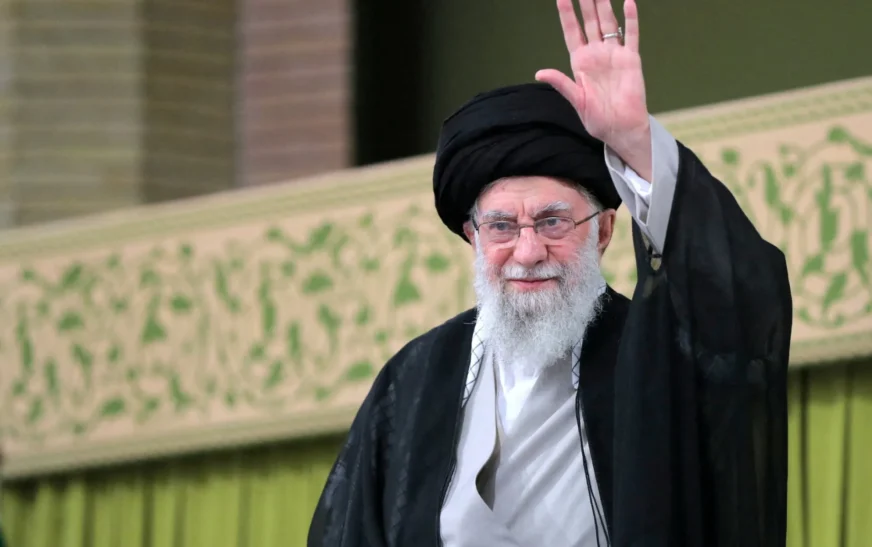
Imam Seyyed Ali Khamenei’s unique role in the history of Iran
The Imam and sovereignty There is a need to evaluate the historical role of Imam Khamenei in securing the Islamic Republic’s ‘full permanent sovereignty…over its natural resources and all economic activities’. There is a UN context, which dates back to 1 May 1974. It adopted the Declaration on the Establishment
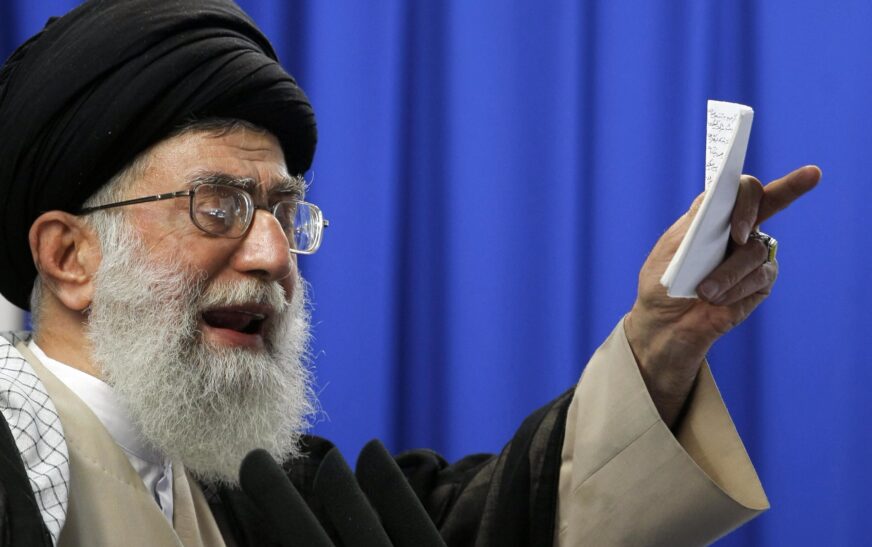
Imam Seyyed Ali Khamenei and his Vision-2025
Introduction The people of Iran as the bedrock of the Islamic Revolution have endured 47 years of ongoing cost-of-living crisis because of 47 years of sanctions. They have endured hardships of low economic growth and hyperinflation, with patience. The Imam had developed Vision-2025, which needs to be carried forward because
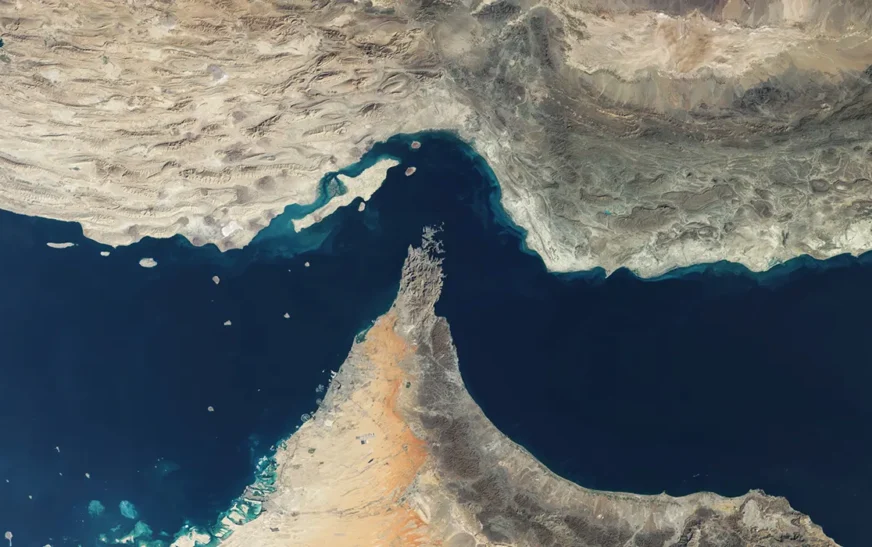
Imam Sayed Ali Khamenei: Strait of Hormuz is the regional spine of imperialism
Strategic question There are about thirty-four straits in the world. Why the focus on the Strait of Hormuz? Imam Khamenei’s challenge Imam Khamenei faced the challenge of global trade while building the domestic economy. He ensured Iran’s freedom from USA diktat. He anticipated belligerence, for which he prepared with the
Imam Sayed Ali Khamenei harmonised international and national interests of Iran
Introduction Iran, for 189 years (1789-1978) lacked independent foreign policy. It allowed four major world powers to dictate it. It did not respect its own national sovereignty. It existed with abuse and disgrace. Imam Khamenei introduced independent foreign policy to assert Islamic Republic’s sovereignty, in spite of imposed wars. Rise
Imam Sayed Ali Khamenei: Blueprint for Progress (Part 2)
Introduction The Holy Qur’an provides the philosophical theory of governance. Imam Ali applied the theory to best practice. Imam Khamenei developed them into the primary Blueprint for Progress. The Quranic verses are, inter alia, on government, command, and guardianship with trust obligations between government and citizens – with limits on
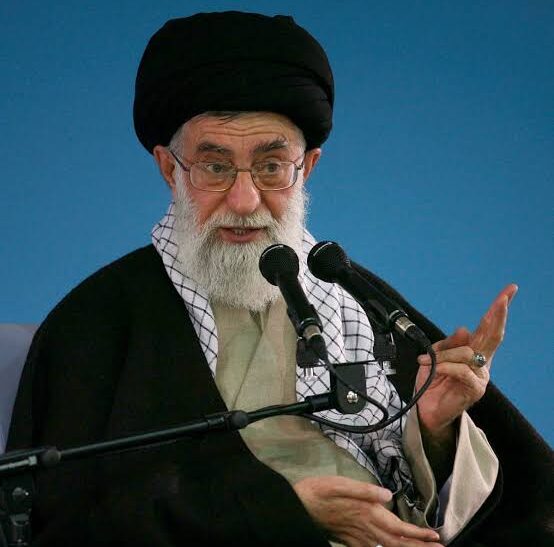
Imam Sayed Ali Khamenei & decolonial sovereignty (Part 1)
Introduction The Imam with his unique philosophical statesmanship developed a historical and civilizational approach to an original statecraft for the Islamic Republic of Iran – free of western secularism. He developed the multi-layered statecraft with sovereignty at its heart, encapsulated in Iranian history and Persian civilization. Application of sovereignty The
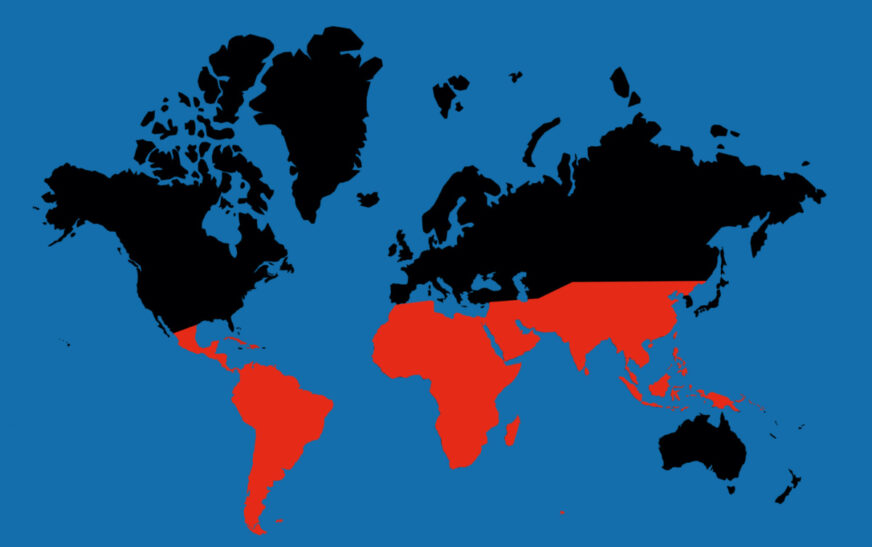
Iran: Lessons for Global South Nations
Introduction The Islamic Republic’s military defeat of USA imperialism in West Asia holds lessons on sovereignty and statecraft for the Global South nations. The 47 years of USA aggression against Iran, crystallized through the 40-Day War, proved that a principled ‘middle power’ nation can defeat the mightiest imperial army. Iran
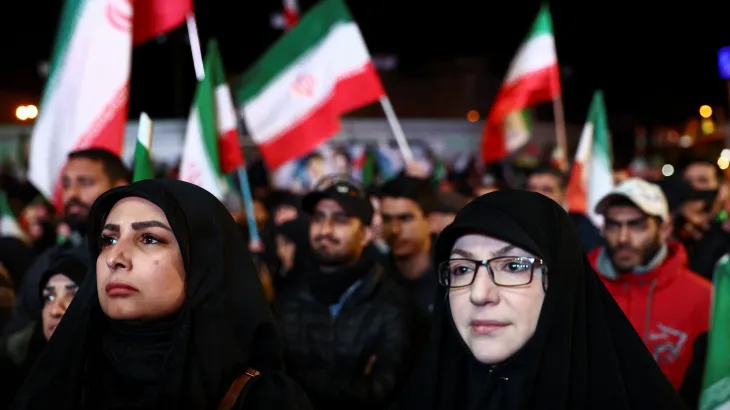
The 40-Day War: Democratic Resistance in Urban Public Spaces
Address delivered on 2 June 2026 at the Specialised Session of ‘The power of people in Iran’s governance – the impact of Tehran gatherings on the Muslim world’s perception during the Ramadan War’. It was organised by the Communication and International Affairs Centre of the Municipality of Tehran at the
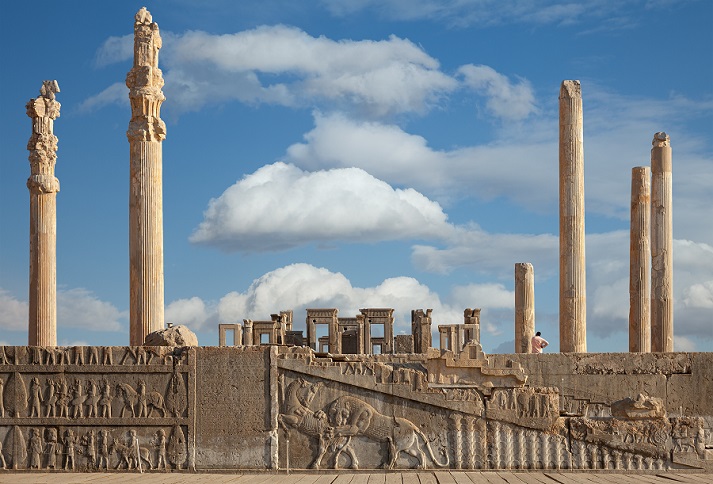
Iranians’ mental roots in Persian civilization – The war between civilization and barbarism
Belief is a necessity Every evening during the 40-Day War (March 2026), after breaking their Ramadan fast, Iranians came out into streets to mandate their government – No Surrender. There were more than 850 marches while the army launched 5472 counterattacks that rendered 13 USA bases in the Arab countries