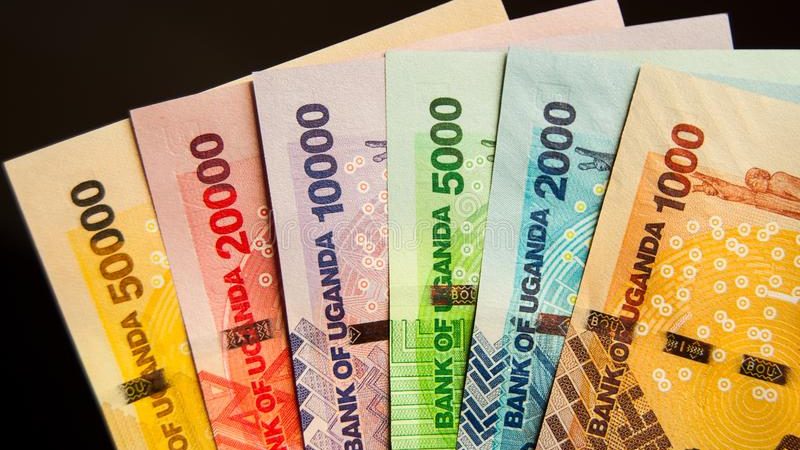

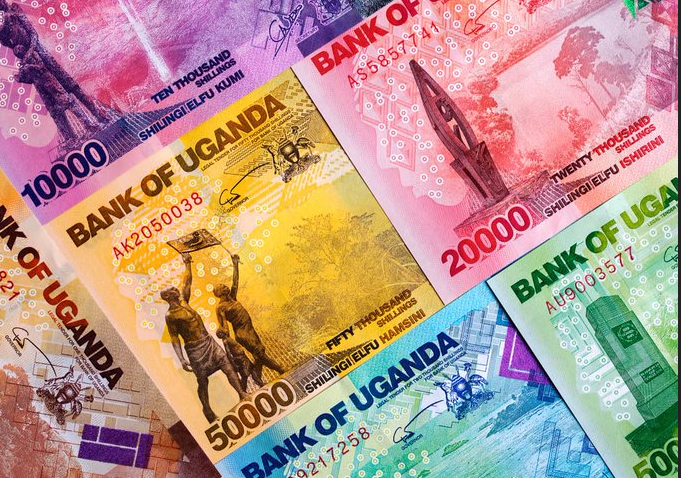
The local currency remained under pressure during the week, weighed down by sustained dollar demand from corporates, local banks and select offshore players. As a result, the shilling weakened to close the week’s trading at around 3755/3765, compared with 3715/3725 in the previous week. Dollar inflows from commodity exporters and remittance firms proved insufficient to offset the elevated demand.
Looking ahead, the shilling is expected to trade within a wide 3650–3800 range, reflecting continued external uncertainty.
Richard Nsubuga, Acting Head of Trading, CIB Markets at Absa Bank Uganda, said money market conditions remained relatively liquid throughout the week. Overnight and one-week rates averaged 10.41 per cent and 10.82 per cent respectively. The Bank of Uganda is expected to return to the primary market on Wednesday with a Treasury bill auction worth Shs 355 billion.
In the region, the Kenya shilling remained broadly stable, trading within the 129.00/129.25 range. However, it faced intermittent pressure from pockets of dollar demand, while steady remittance inflows helped limit further weakness. In the near term, the currency is expected to trade between 128.90 and 129.50.
Brent crude futures hovered near $110.5 a barrel on Thursday after briefly surging above $114, the highest intraday level since June 2022. The gains followed reports that U.S. President Donald Trump was set to receive a briefing on expanded military options involving Iran.
According to Axios, the briefing by U.S. Central Command chief Admiral Brad Cooper suggests renewed combat operations are under serious consideration, including a possible short but intense wave of strikes.
Iran said it would respond with “long and painful strikes” on U.S. positions if attacks resume, further complicating efforts to secure international support for reopening the Strait of Hormuz. Tensions remain elevated despite a ceasefire holding since early April, with disruptions in the strait significantly affecting global oil supply. The International Energy Agency has described the situation as an unprecedented supply shock.

The dollar index hovered near 99, holding on to recent gains after the Federal Reserve left its policy rate unchanged, while signalling a more hawkish stance amid rising inflation concerns.
Nsubuga noted that four policymakers dissented, arguing that the Fed should no longer signal a bias toward easing, highlighting growing divisions over the policy outlook. Markets have since priced out interest rate cuts for this year and are beginning to assign probabilities to a potential rate hike in 2027.
Gold prices climbed toward $4,600 an ounce, recovering from one-month lows as investors reacted to heightened geopolitical risks.
In currency markets, the euro edged up to $1.17, rebounding from three-month lows and heading for a monthly gain of more than one per cent against the dollar after the European Central Bank held rates steady.
The British pound also strengthened, climbing above $1.35 and heading for a 2.2 per cent monthly gain after the Bank of England kept its policy rate unchanged at 3.75 per cent, although some policymakers signalled the possibility of further tightening.