
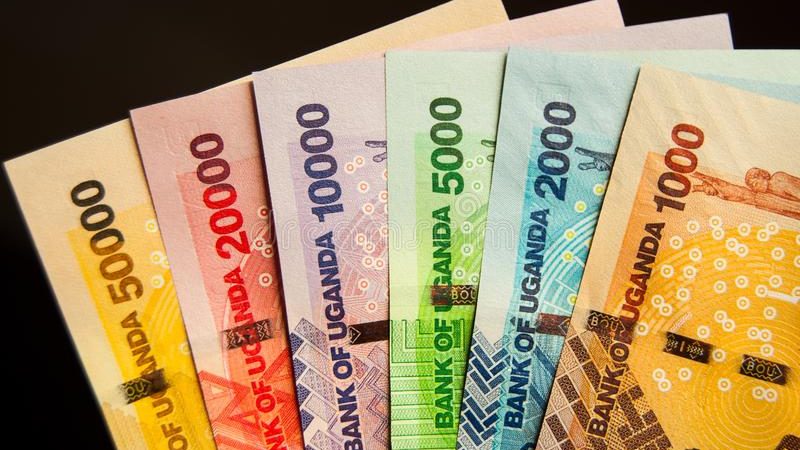
Shilling holds steady despite dollar demand

The Uganda shilling remained broadly stable against the US dollar this week, trading within a narrow range despite sustained demand from corporates and the interbank market. The shilling opened on Monday at Shs3,770/3,780 against the dollar before closing the week marginally weaker at Shs3,775/3,785. The currency initially depreciated to Shs3,780/3,790
Shilling strengthens on strong inflows as liquidity surges
The Uganda shilling posted modest gains last week, supported by strong inflows from commodity exporters, remittances and non-governmental organisations, which offset demand for foreign exchange from corporate players. According to Richard Nsubuga, Acting Head of Trading, CIB Markets at Absa Bank Uganda, the local unit traded at 3,725/3,735 on Friday
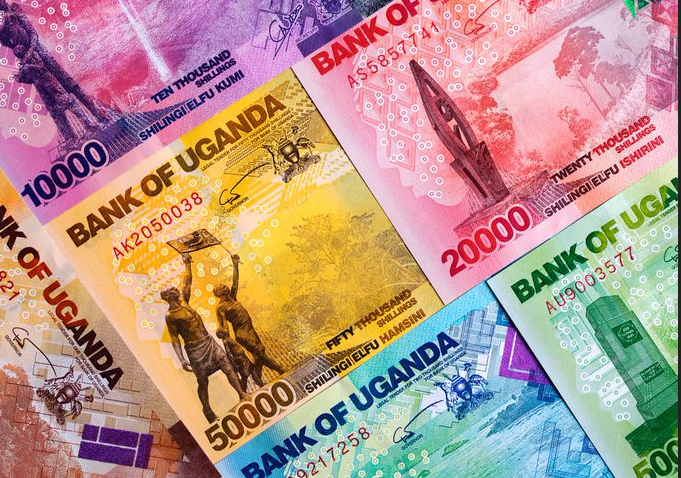
Shilling Weakens on Corporate Dollar Demand as Global Pressures Mount
The Uganda shilling traded under sustained pressure this week, weighed down by persistent corporate demand for the US dollar and limited foreign currency inflows. Market activity showed that dollar supply from entities settling end-of-financial-year tax obligations was insufficient to support the local unit. At the same time, offshore investor appetite
Shilling strengthens on dollar inflows, improved investor sentiment
The Uganda shilling strengthened during the week, supported by robust dollar inflows from commodity exporters and offshore investors, even as corporate demand remained subdued. Market players noted that many corporates opted to preserve shilling liquidity to meet their end-of-financial-year tax obligations, easing pressure on the local unit. The shilling traded at
Shilling Weakens Slightly Amid Dollar Demand, Global Uncertainty
The Uganda shilling weakened slightly this week, trading at 3,750/3,760 against the US dollar, compared to the previous week’s opening of 3,745/3,755. The depreciation was largely driven by increased demand for hard currency from offshore players and the local interbank market, while corporate players remained on the sidelines, holding shillings
Shilling firms on steady inflows as global risks lift dollar and oil
The local currency held firm over the week, supported by steady inflows from commodity exporters, remittances and selective portfolio investments. The shilling strengthened to 3745/3755, compared to last week’s close of 3765/3775. Despite sustained foreign currency demand from corporates in manufacturing, energy and telecom sectors, pressure was not strong enough
Shilling Weakens as Global Tensions Rattle Markets
The local currency remained under pressure during the week, weighed down by sustained dollar demand from corporates, local banks and select offshore players. As a result, the shilling weakened to close the week’s trading at around 3755/3765, compared with 3715/3725 in the previous week. Dollar inflows from commodity exporters and
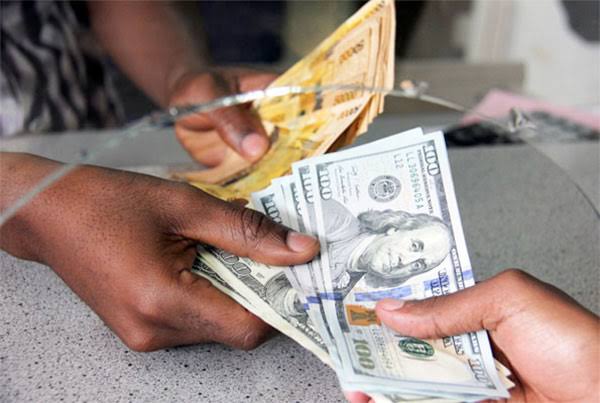
Treasury Bond Auction Sees Yield Surge, Undersubscription at 78%
The Uganda shilling traded sideways over the past week, briefly touching session highs of 3645/3655. Mid-week tax remittances provided support for the local unit, though buying interest from entities in the energy sector applied downward pressure. The currency closed the week marginally weaker at 3655/3665. Analysts anticipate that the shilling
“Currency, Money Markets Remain Steady Amid Global Trade Developments”
The Ugandan shilling remained stable, trading within the 3,650–3,670 range, supported by dollar inflows from commodity exporters and offshore investors, according to Richard Nsubuga, a Trader in CIB Markets at Absa Bank Uganda. Demand for the dollar remained low throughout the week. We anticipate the shilling will maintain its strength
Ugandan Shilling Ends April Steady as Dollar Inflows Bolster FX Market
The Ugandan shilling closed April trading steady within the 3655–3670 range, supported by dollar inflows from commodity exporters and offshore investors, according to Richard Nsubuga, Acting Head of Trading at Absa Bank Uganda. Demand for hard currency remained subdued throughout the week. Looking ahead, we anticipate the shilling will retain