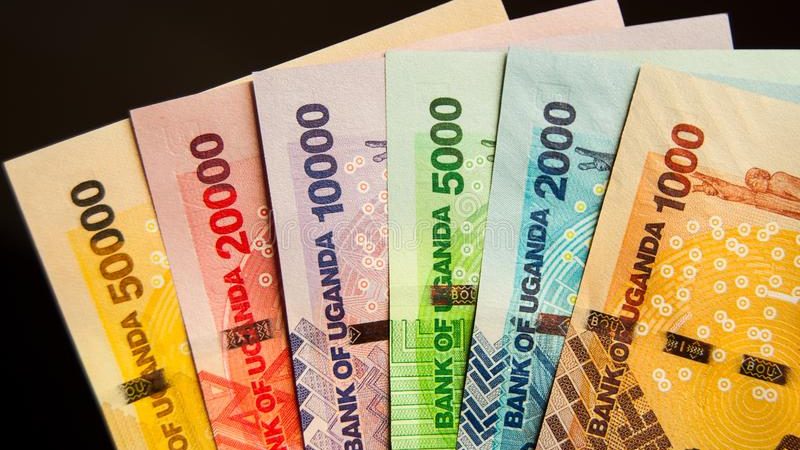

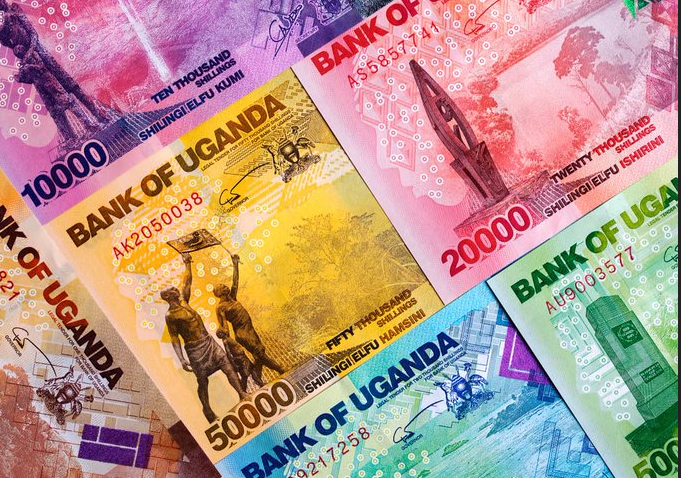
The local currency held firm over the week, supported by steady inflows from commodity exporters, remittances and selective portfolio investments.
The shilling strengthened to 3745/3755, compared to last week’s close of 3765/3775. Despite sustained foreign currency demand from corporates in manufacturing, energy and telecom sectors, pressure was not strong enough to reverse the appreciation trend.
Market expectations point to a relatively wide trading range of 3650 to 3800 in the near term, reflecting continued external uncertainties and shifting capital flows.
Money market conditions remained broadly liquid throughout the week, prompting the Bank of Uganda to conduct Open Market Operations to manage excess liquidity. Overnight and one week rates averaged 9.78 percent and 10.33 percent respectively.
The central bank is scheduled to return to the primary market on Wednesday with a Shs 1.05 trillion Treasury bond auction, while coupon payments amounting to Shs 1.045 trillion are expected later in the month.
In the regional market, the Kenya shilling remained largely stable, trading between 129.00 and 129.25. However, intermittent dollar demand created mild pressure, partially offset by sustained remittance inflows. In the short term, the currency is expected to trade within 128.90 to 129.50.
On the global front, the US dollar index rose above 98 as geopolitical tensions between the United States and Iran escalated around the Strait of Hormuz, keeping risk sentiment elevated.
Oil prices also rose about 1 percent on Friday as renewed fighting threatened the fragile ceasefire and raised concerns over potential disruption to the key shipping route.

Brent crude gained $1.20 to $101.26 per barrel, while West Texas Intermediate rose $0.85 to $95.66. The rebound ended a three day losing streak, although both benchmarks remain on track for weekly declines of about 6 percent.
Gold prices climbed above $4,700 per ounce after sharp volatility in the previous session, as renewed geopolitical tensions revived inflation concerns and strengthened safe haven demand.
The euro traded above $1.17, nearing its strongest level since April, as investors priced in a more hawkish outlook for the European Central Bank amid renewed inflationary pressures.
Commenting on the market outlook, Richard Nsubuga, Ag Head of Trading, CIB Markets at Absa Bank Uganda, said:
“The local currency held firm during the week, supported by steady inflows from commodity exporters, remittances and selective portfolio investments. Although corporates in manufacturing, energy and telecom sectors maintained foreign currency demand, it was not sufficient to reverse the prevailing appreciation trend.”
He added that the shilling is expected to remain range-bound in the near term, noting that external uncertainties continue to shape market direction.