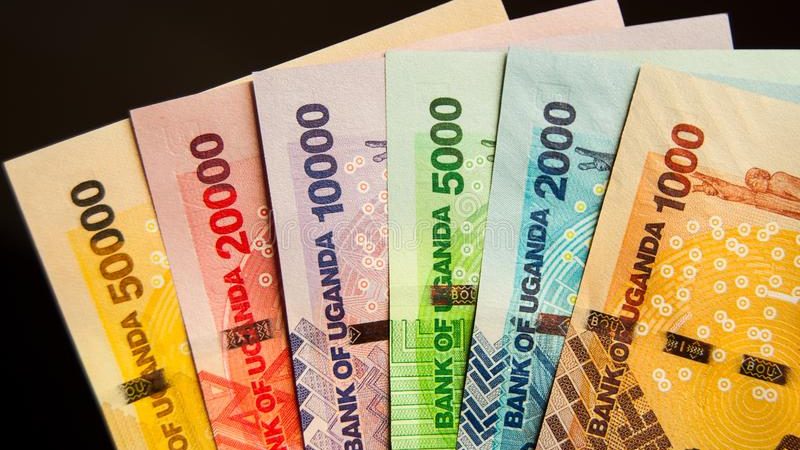

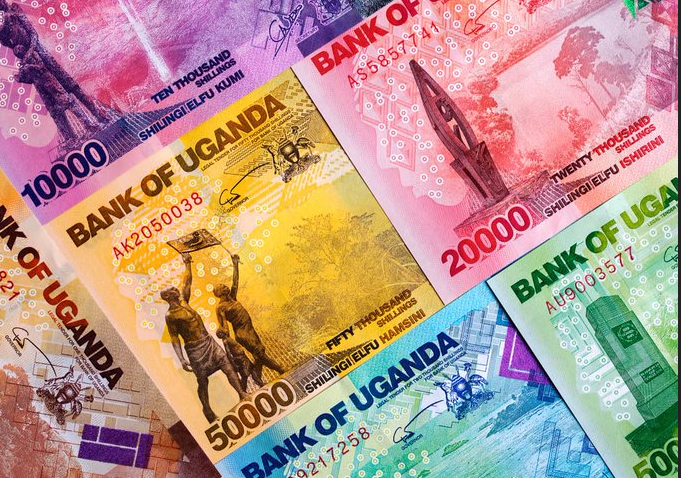
The Uganda shilling traded under sustained pressure this week, weighed down by persistent corporate demand for the US dollar and limited foreign currency inflows.
Market activity showed that dollar supply from entities settling end-of-financial-year tax obligations was insufficient to support the local unit. At the same time, offshore investor appetite for the greenback remained elevated, buoyed by continued global dollar strength.
By Friday morning, the dollar-shilling pair was quoted at 3,690/3,700, a depreciation from the previous week’s close of 3,640/3,650. Analysts project the shilling will likely trade within a broader range of 3,600–3,720 in the near term.
Richard Nsubuga, Acting Head of Trading for Corporate and Investment Banking (CIB) Markets at Absa Bank, noted that money markets remained liquid throughout the week. This prompted the Bank of Uganda to intervene through Open Market Operations, conducting a seven-day mop-up repo on Thursday.
Overnight lending rates averaged 9.62 percent during the week, reflecting the high liquidity conditions in the financial system.
In the region, the Kenyan shilling remained relatively stable, trading within the 129.20–129.80 range against the US dollar. Market activity was subdued towards the end of the week as several businesses closed during protests marking the second anniversary of the 2024 Gen Z riots.
Looking ahead, the Kenyan currency is expected to trade within the 129.20–129.90 band as month-end flows begin to influence the market.
On the global commodities front, oil prices declined, with Brent crude falling below $74 per barrel and West Texas Intermediate (WTI) slipping under $71. The drop erased earlier gains as investors weighed increased shipping activity through the Strait of Hormuz against rising geopolitical risks.
Tensions escalated following a vessel strike near Oman, heightening concerns over potential Iranian influence along the critical shipping route. This development has cast uncertainty over ongoing US–Iran negotiations, which remain slow and complex despite continued engagement.

Despite the security concerns, oil flows through the Strait of Hormuz have reached their fastest pace since the onset of the conflict. Meanwhile, Middle Eastern producers are increasing output, although tanker shortages continue to constrain supply chains.
In currency markets, the US dollar index steadied around 101.5 on Friday after weakening earlier in the week. The greenback remains on track for a weekly gain as investors anticipate a possible Federal Reserve rate hike later this year.
The dollar had briefly softened following the release of the latest US Personal Consumption Expenditures (PCE) inflation data, which came in largely in line with expectations. Although inflation remains above the Federal Reserve’s 2 percent target, the data eased concerns of a sharper acceleration in price pressures.
Elsewhere, the British pound slipped below $1.32, hovering near a seven-month low amid a mix of political and economic pressures. While expectations that a prolonged Labour Party leadership contest may be avoided provided some support, weaker UK economic data continued to weigh on the currency.
The euro also declined, falling to $1.1390—its lowest level in 12 months—dragged down by broad-based US dollar strength and expectations of tighter US monetary policy following hawkish signals from Federal Reserve officials.
Gold prices retreated to around $4,000 an ounce as investors favored the dollar. Hawkish signals from the Federal Reserve overshadowed any support stemming from tentative progress in US–Iran diplomatic efforts.
Overall, financial markets remain cautious, navigating a complex mix of global monetary tightening expectations, geopolitical tensions, and uneven economic recovery signals.