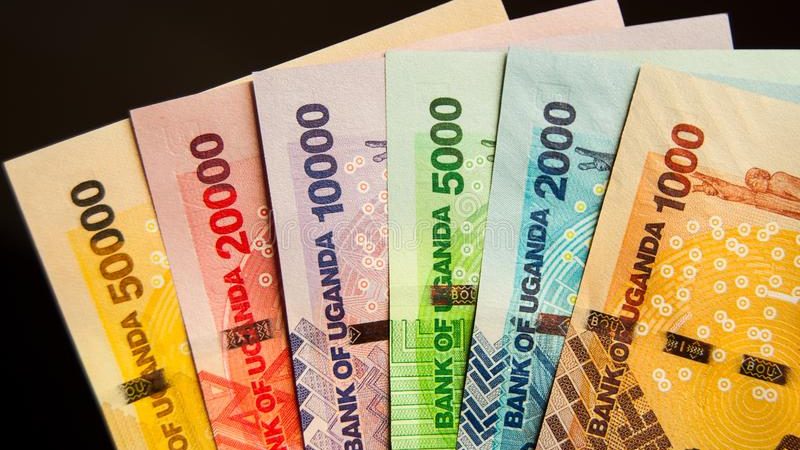

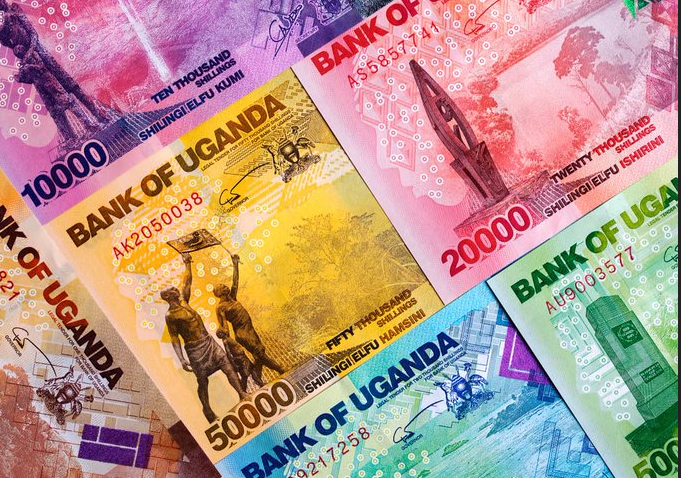
The Uganda shilling weakened slightly this week, trading at 3,750/3,760 against the US dollar, compared to the previous week’s opening of 3,745/3,755.
The depreciation was largely driven by increased demand for hard currency from offshore players and the local interbank market, while corporate players remained on the sidelines, holding shillings in preparation for mid-month tax obligations.
Year-to-date, the local currency has depreciated by approximately 3.59%, reflecting global risk-off sentiment linked to ongoing geopolitical tensions in the Middle East. In the near term, the shilling is expected to trade within a broad range of 3,680–3,800 amid continued uncertainty in the external environment.
Richard Nsubuga, Acting Head of Trading, CIB Markets at Absa Bank Uganda, said money markets remained relatively liquid throughout the week, supported by government releases. This prompted the Bank of Uganda to mop up Shs420 billion through a three-day repo.
Overnight and one-week lending rates averaged 9.93% and 10.39%, respectively.
The central bank also conducted a Treasury bond auction, which cleared broadly in line with market expectations. A total of Shs897 billion was accepted, representing an 85.45% acceptance rate.
The Bank of Uganda is expected to return to the domestic market with a Treasury bill auction scheduled for Wednesday, May 20.
Regionally, the Kenya shilling traded within a narrow range of 129.25/129.40 to the dollar but remained vulnerable to further weakening due to sustained demand from corporates.

Globally, the US dollar strengthened over the week, with the dollar index rising 1.2% to 99.07 by Friday, following higher-than-expected inflation data for April.
Year-on-year, the US Consumer Price Index rose to 3.8% from 3.3% in March, prompting markets to price in a “higher-for-longer” interest rate environment, which supported the dollar. US Treasury yields also rose, attracting inflows into dollar-denominated assets.
At the same time, US equity markets posted gains, supported by renewed investor confidence in the artificial intelligence sector.
Meanwhile, global oil prices surged nearly 3% on Friday after US President Donald Trump signalled growing impatience with Iran, shortly after high-level talks with Chinese President Xi Jinping.
Trump said the US and China agree that Iran should not possess nuclear weapons and called for the reopening of the Strait of Hormuz. However, Iran criticised what it described as contradictory messaging from Washington and warned it was prepared for any potential military action.
Brent crude rose by $3.48, or 3.3%, to $109.20 per barrel, while US West Texas Intermediate gained $3.59, or 3.6%, to $104.80 per barrel.