

Starlink, the satellite broadband venture backed by Elon Musk, has been licensed to operate in Uganda, Daily Star has learned.
President Yoweri Museveni confirmed the development, describing it as part of government efforts to expand internet access and reduce connectivity costs.
“I witnessed the signing of the Memorandum of Understanding and operational licence agreement between the Uganda Communications Commission and Starlink, marking an important step towards the commencement of their operations in Uganda,” Museveni said.
He emphasised government priorities, including security, revenue assurance and accountability within the telecommunications sector.
“Our interest is security, revenue assurance, and proper accountability within the telecommunications sector so that we know who is operating and who the customers are. I am pleased that Starlink has agreed to comply with Uganda’s laws and regulatory requirements as it prepares to begin service delivery in the country,” he added.
Recently, ICT and National Guidance minister Chris Baryomunsi said discussions with the company were at an advanced stage, signalling its imminent entry into Uganda’s telecommunications market.
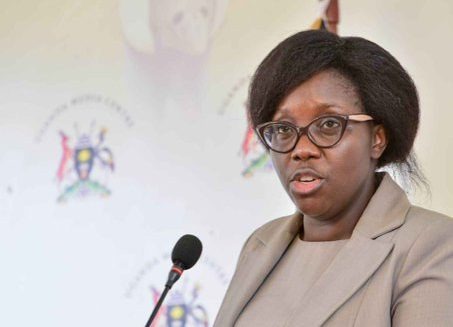
Addressing journalists at the Uganda Media Centre, Baryomunsi said the move aligns with government’s broader push to make internet services more affordable and accessible, particularly in hard-to-reach areas.
“We are finalising engagements with Starlink to ensure all regulatory requirements are met before the licence is issued,” he said, adding that improved connectivity remains central to Uganda’s digital agenda.
Operated by SpaceX, Starlink uses a constellation of low Earth orbit satellites to deliver high-speed internet, offering a viable alternative in areas where fibre and mobile infrastructure are limited.

Government expects the service to bridge existing coverage gaps while complementing traditional telecom operators through increased competition.
Baryomunsi said expanding reliable internet access is critical to unlocking growth in key sectors such as education, healthcare, business and innovation.
He added that all operators, including new entrants, will be required to comply with national regulations and contribute to development priorities, including fair pricing and infrastructure sharing.
Despite ongoing investments in ICT infrastructure, Uganda continues to face high internet costs and uneven access, particularly in rural communities.
Observers say Starlink’s anticipated entry could reshape the market by offering faster and more reliable services, while also putting pressure on existing providers to review pricing.
Once operational, Starlink will join other internet service providers in expanding Uganda’s digital reach and supporting its transition to a more connected economy.