
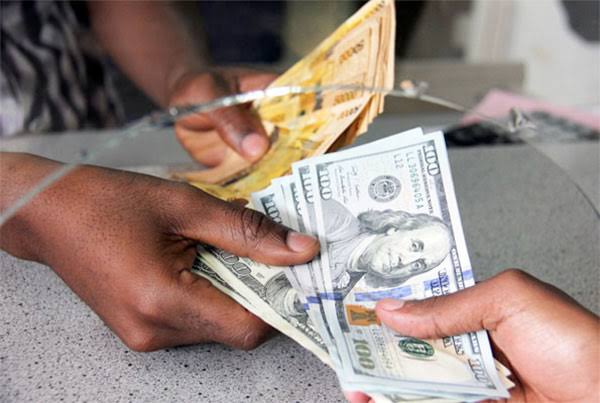
Stable Shilling Masks Rising Liquidity and Borrowing Pressures

The Uganda shilling remained broadly stable against the US dollar during the week, trading within the 3,755–3,775 range. However, signs point to potential appreciation in the near term, as corporate demand is expected to ease, with many firms conserving shilling liquidity to meet end-of-financial-year tax obligations. The currency pair was
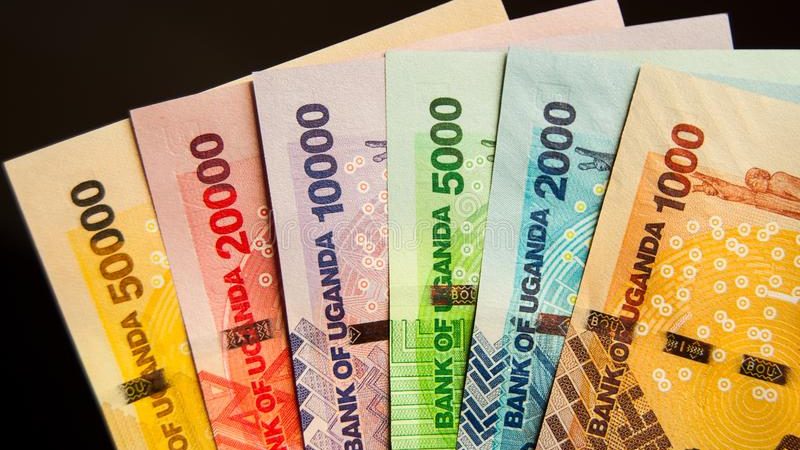
Uganda Shilling Holds Steady Amid Global Economic Uncertainty
The Uganda shilling remained stable against the US dollar over the week, trading within the 3765/3775 range, unchanged from its opening levels, according to Richard Nsubuga, Acting Head of Trading, CIB Markets at Absa Bank Uganda. He attributed the stability to a balance between demand and supply in the foreign
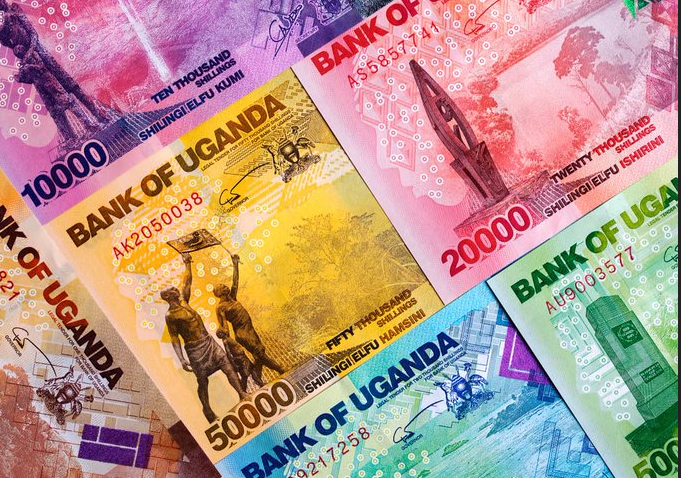
Shilling slides further as dollar demand surges, global tensions bite
The Uganda shilling has continued its losing streak, weakening to 3775/3785 against the US dollar this week, down from 3750/3760 at the start of last week, as demand for hard currency tightened its grip on the market. Traders say the pressure came mainly from heavy dollar demand by corporates in
Shilling weakens as dollar demand intensifies, global tensions rattle markets
The Uganda shilling came under renewed pressure during the week, weighed down by sustained dollar demand from corporates, commercial banks and select offshore players, market analysts have said. By Friday, the local currency was trading at around 3,715/3,725, weaker than the previous week’s close of 3,695/3,705. According to Richard Nsubuga,
Shilling Firms on Improved Global Sentiment as Ceasefire Eases Market Pressure
The local currency recorded gains over the week, supported by improved investor sentiment following geopolitical developments in the Middle East, where a fragile two-week ceasefire was agreed. The shilling traded firmer on Friday morning at 3695/3705, strengthening from the week’s opening levels of 3740/3750. Market activity remained subdued, with interbank
Uganda Shilling Weakens Amid Rising Demand for Hard Currency, Global Tensions
The Uganda shilling opened the month weaker, trading at 3,740/3,750 against the U.S. dollar, compared to 3,715/3,725 at the start of the previous week. The depreciation is attributed to heightened demand for hard currency from energy, manufacturing, and telecommunications sectors, despite inflows from remittances and selective portfolio investors. Richard Nsubuga,