
Uganda’s next generation of cities must be designed to withstand the growing pressures of climate change, with housing developments anchored on resilience, sustainability and inclusiveness, the government has said.
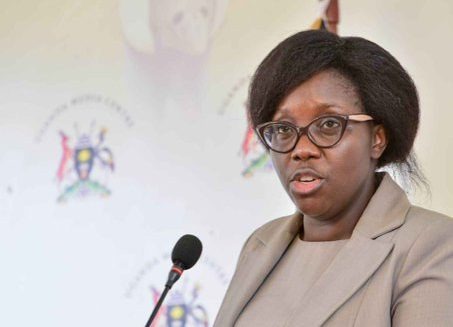
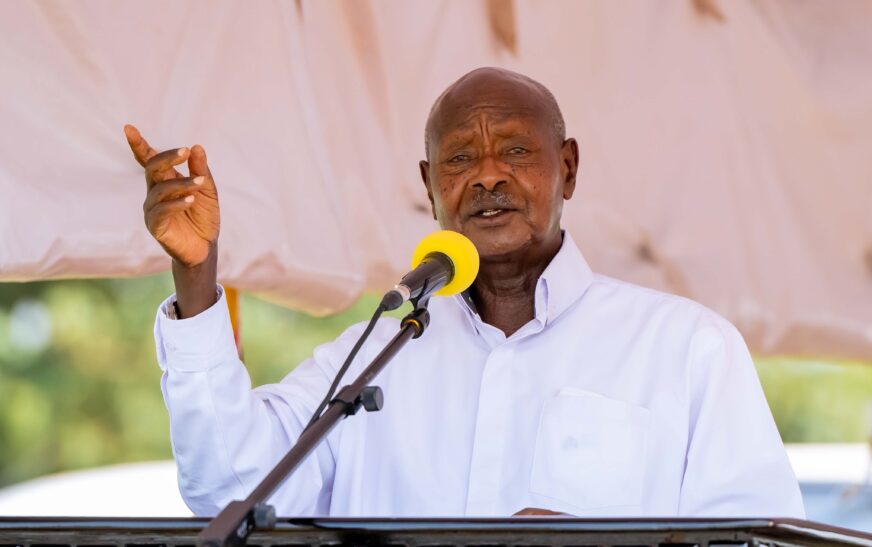
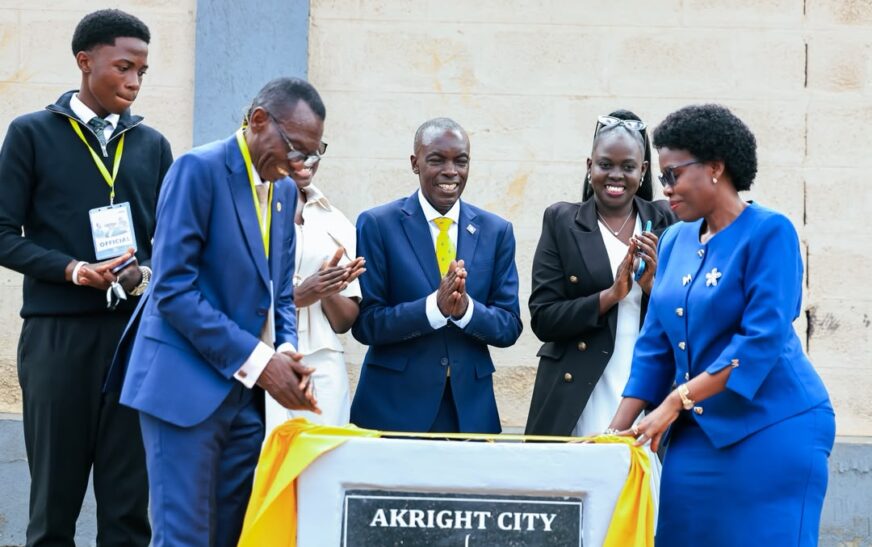
Speaking during the 20th anniversary celebrations of Akright City off Entebbe Road, Lands, Housing and Urban Development minister Judith Nabakooba, representing President Yoweri Museveni, said the country’s urban future hinges on building communities capable of adapting to environmental shocks while sustaining economic growth.
Nabakooba warned that Uganda’s cities are increasingly vulnerable to climate-related threats, including floods, droughts, heatwaves, landslides and water shortages driven by rapid urbanisation.
“Uganda’s cities, like other global cities, are at the forefront of urban crises, facing unprecedented threats from floods, droughts, heatwaves, landslides, water scarcity and other climate-related disasters,” she said.
She noted that these challenges present an opportunity for Uganda to rethink its urban development model by prioritising sustainable infrastructure, environmental protection and resilient communities.
“By prioritising sustainable urban development, we can unlock our cities’ potential to drive economic growth, create jobs, improve livelihoods, promote social cohesion and reduce pollution,” she added.
Climate-smart housing takes centre stage
Nabakooba said future housing developments must go beyond physical structures and integrate climate-smart solutions that shield communities from environmental risks.
She emphasised the need for urban planning that promotes resilience through sustainable infrastructure, efficient land use, eco-friendly construction materials and inclusive access to housing.
“Urbanisation will drive the socio-economic transformation of Uganda through innovation, cultural exchange, resilience building, job creation and the provision of sustainable infrastructure,” she said.
Her remarks align with the African Union’s Agenda 2063, which identifies urbanisation as a key driver of Africa’s economic transformation.
Akright City cited as model
The government praised Akright City as a model for planned urban development, highlighting its transformation over the past two decades as a benchmark for Uganda’s growing real estate sector.
Nabakooba said Uganda’s economic growth and expanding middle class present opportunities for developers to build modern neighbourhoods that respond to evolving housing needs.

“As the economy continues to grow, I urge players in the real estate sector to tap into the emerging middle-income group to develop modern neighbourhoods and transform our urban skylines,” she said.
She added that the housing sector has strong economic linkages through construction, manufacturing, employment creation and industrial development.
However, Uganda still faces a housing deficit estimated at about 2.4 million units, underscoring the urgency of scaling up affordable housing solutions.
Nabakooba encouraged low-income earners to form savings and housing cooperatives to improve access to decent housing.
Sector eyes expansion
The minister said Uganda’s growing economy provides a solid foundation for expanding the housing and construction industries, citing increased exports and industrial capacity.
She pointed to progress in local manufacturing, including ceramics production, as evidence of the country’s shift away from reliance on imported construction materials.
With the economy projected to continue expanding, Nabakooba said demand for modern housing and organised urban centres will rise, calling on investors to move beyond land subdivision to planned, sustainable developments.
“Let us develop concrete actions to address the most urgent housing challenges. Let us work together to build an inclusive, sustainable and prosperous housing sector,” she said.
As Uganda’s urban population grows, the government insists that housing must balance economic opportunity with environmental responsibility.
“The future of Uganda is housing as a fundamental right and an investment, and that future is now,” Nabakooba said.