

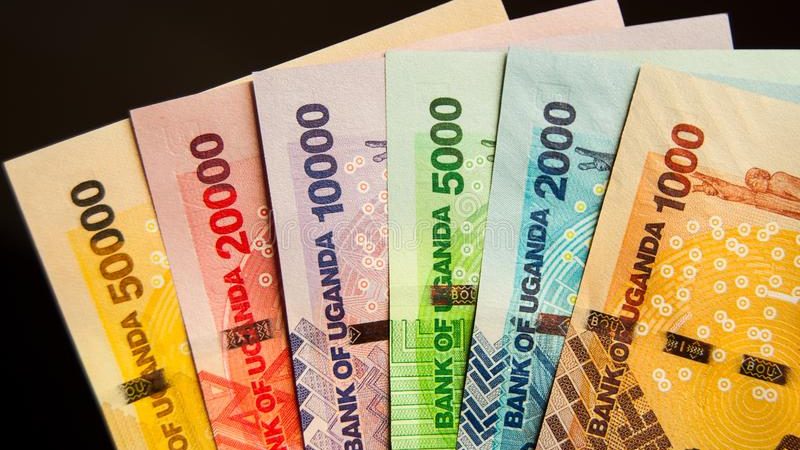
The Uganda shilling extended its losses against the dollar in Friday’s trading session, weighed down by strong demand from key sectors including energy, manufacturing and telecommunications.
Market players said the greenback demand outpaced limited inflows from commodity exports, remittances and non-governmental organisations, leaving the local unit under sustained pressure.
Richard Nsubuga, acting head of trading at Absa Bank Uganda, said the shilling traded at 3755/3765 on Friday morning, compared to the week’s opening levels of 3690/3700.
He noted that the currency remains vulnerable to corporate activity and geopolitical developments, particularly tensions in the Middle East.
“The shilling’s movement is expected to remain within the 3650–3820 range, largely influenced by external shocks and domestic dollar demand,” Nsubuga said.
Liquidity conditions
The money market remained liquid during the week, with overnight and one-week lending rates averaging between 6.75% and 10%.
The Bank of Uganda continued its liquidity management operations, mopping up excess funds through a seven-day repo.
The central bank is expected to return to the primary market on July 29 for a Treasury bond auction, where benchmark papers for 2-year, 5-year, 15-year and 25-year tenors will be reopened.
Regional pressure
In Kenya, the shilling also traded under pressure amid renewed Middle East tensions that triggered increased dollar demand from corporates.
The Kenyan unit was quoted at 129.30/129.50 on Friday morning, compared to 129.10/129.20 at the start of the week. It is expected to trade within the 129.20–129.90 range, with possible support from the central bank if demand pressures persist.
Oil, geopolitics weigh
On the global front, Brent crude oil prices remained above $100 per barrel, on track for a weekly gain of nearly 14%, driven by escalating tensions in the Middle East.

The situation intensified after the United States carried out continued strikes on Iran, while warnings from Donald Trump of possible retaliation against Iran and Houthi forces heightened fears of supply disruptions.
Attacks on Saudi oil tankers in the Red Sea have further raised concerns about the safety of key global shipping routes, prompting some Asian importers to explore alternative routes, including the Suez Canal and around the Cape of Good Hope.
Dollar strength persists
Nsubuga said the US dollar index hovered around 101.3, close to a three-week high, supported by new tariff measures announced by the US administration targeting major trading partners.
The dollar has also been bolstered by expectations of a tighter monetary policy stance by the Federal Reserve, as rising energy prices and strong labour market data reinforce confidence in the US economy.
Global currencies mixed
The euro slipped below $1.139 after the European Central Bank held interest rates steady, maintaining a cautious stance amid uncertainty over energy prices.
Meanwhile, the British pound weakened to $1.336, its lowest level in ten days, following fiscal policy concerns highlighted by UK officials.
Gold prices also declined toward $4,030 per ounce, extending losses as higher oil prices strengthened expectations of tighter US monetary policy, reducing the appeal of the precious metal.
Outlook
Analysts say the Uganda shilling will likely remain under pressure in the near term, as global uncertainties and strong dollar demand continue to outweigh inflows, keeping the local currency on the defensive.