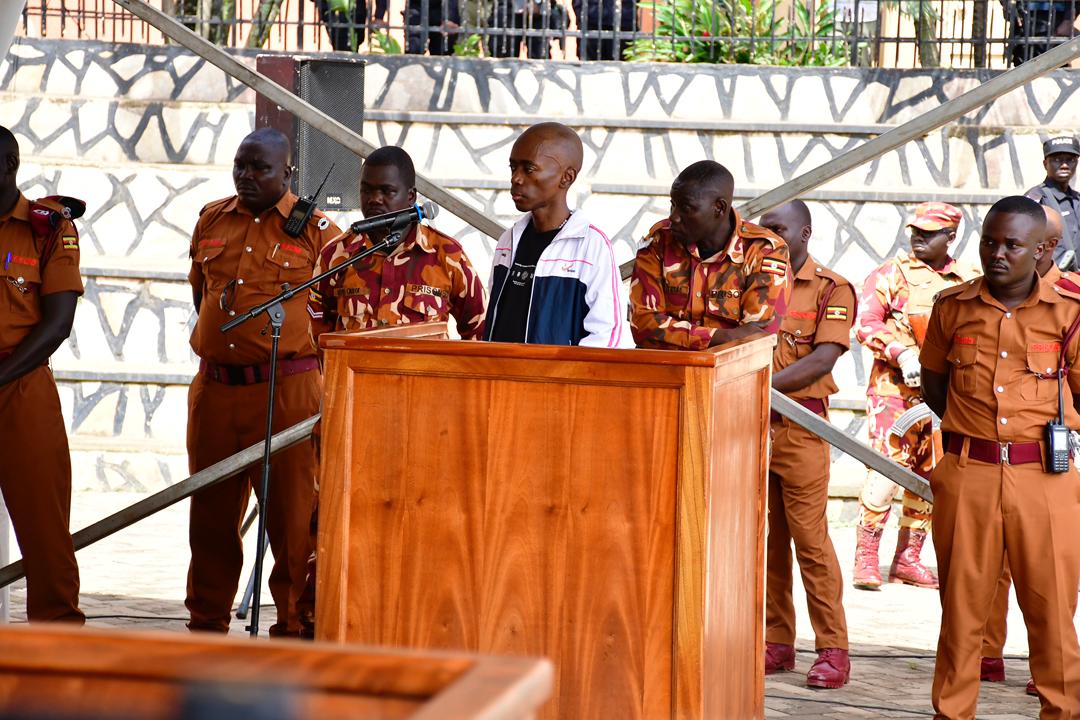

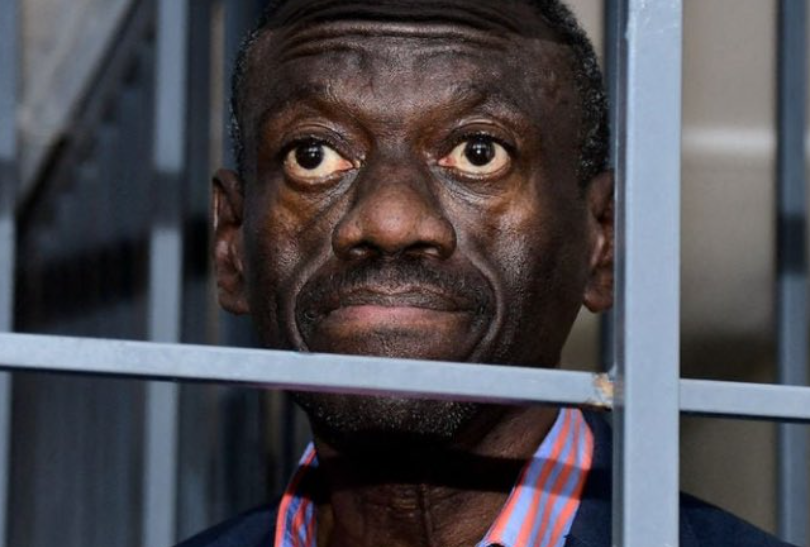
Former presidential candidate Dr Kizza Besigye and his co-accused Obed Lutale have lost a case challenging the exclusion of their lead lawyer, Martha Karua, SC, from Uganda and the detention of their co-counsel, Erias Lukwago.
High Court judge Simon Peter Kinobe dismissed the application, ruling that the applicants had not been deprived of their constitutional right to counsel of their choice and that the immigration decision affecting Karua should have been challenged through judicial review proceedings.
The case arose after Karua was blocked from entering Uganda at Entebbe International Airport on June 22, 2026, and subsequently classified as a prohibited immigrant and persona non grata.
Besigye and Lutale had sued Gen Muhoozi Kainerugaba, the Chief of Defence Forces (CDF), and the Attorney General, challenging what they described as interference with their legal representation.
They argued that the expulsion of Karua deprived them of counsel of their choice at a critical stage of their case and violated their constitutional right to a fair hearing.
The applicants also challenged what they described as the military abduction, arrest, incommunicado detention and mistreatment of Lukwago, arguing that the actions were part of a deliberate campaign to obstruct, intimidate and dismantle their defence team.
They further argued that prosecuting Lukwago on charges of misprision of treason arising from his professional representation of Besigye and Lutale was unlawful and an abuse of court process.
The respondents, however, argued that the decision to deny Karua entry into Uganda was an administrative decision made by competent immigration authorities.
They contended that anyone aggrieved by the decision should challenge it through judicial review before the High court rather than through the miscellaneous application filed by Besigye and Lutale.
Justice Kinobe agreed with this position, holding that the court could not determine the legality of the immigration decision in the proceedings before it.
“This court declines to determine the legality or otherwise of the administrative immigration decision in these proceedings, since a direct challenge to that decision falls within the supervisory jurisdiction of the High court and is properly pursued by way of judicial review,” he ruled.
The judge also found that the evidence did not establish that Karua’s absence from Uganda prevented her from advising the applicants, preparing pleadings, developing legal strategy or consulting with lawyers representing them.
“The court must, however, emphasise that the availability of virtual proceedings does not, of itself, extinguish the constitutional right to counsel of choice; rather, it is one of the mechanisms through which meaningful legal representation may, where appropriate, be facilitated,” Justice Kinobe observed.

The court separately considered the circumstances surrounding Lukwago’s absence from the proceedings.
Justice Kinobe noted that evidence before the court showed that Lukwago’s absence resulted from his detention. However, he said detention alone did not establish that the applicants’ constitutional right to a fair hearing had been violated.
The judge also noted that the applicants had engaged more than 13 law firms of their choice to represent them.
“The record further discloses that the applicants have engaged over thirteen law firms of choice, with instructions to fully represent them. This demonstrates that their constitutional entitlement has been respected and safeguarded,” he said.
Justice Kinobe said the applicants were required to exercise their right to counsel of choice in a manner that also allowed the court to conduct proceedings expeditiously.
He ruled that the applicants had not been deprived of their constitutional right to legal representation and had been accorded the right to counsel of their choice.
The court consequently dismissed the application, although it made no order as to costs.
“This application is dismissed, with no order as to costs, given that it touches upon fundamental constitutional questions which ought not to be burdened with pecuniary sanctions,” Justice Kinobe ruled.
The ruling leaves the immigration decision concerning Karua outside the scope of the proceedings, meaning any challenge to her exclusion from Uganda would have to be pursued separately through judicial review before the High court.