
By Elizabeth Kulume
On 12 August, Uganda joined the rest of the world in celebrating International Youth Day. This year’s theme, “Different Contexts, Common Aspirations,” recognises that although young people live in very different circumstances, they share fundamental aspirations: dignity, opportunity, meaningful participation and a sustainable future.
For Uganda, these aspirations are particularly important because young people make up a significant percentage of our population. About 31% of Uganda’s population, approximately 14 million people are aged between 15–35. Yet this demographic advantage comes with serious challenges. According to UBOS reports, 42.6% of young people aged between 15–24 are not in employment, education or training, while youth unemployment stands at 17.9%.
These numbers become even more meaningful when we shift our focus to host communities where major oil investments are taking place, you find that the most project affected persons are the women and the youths.
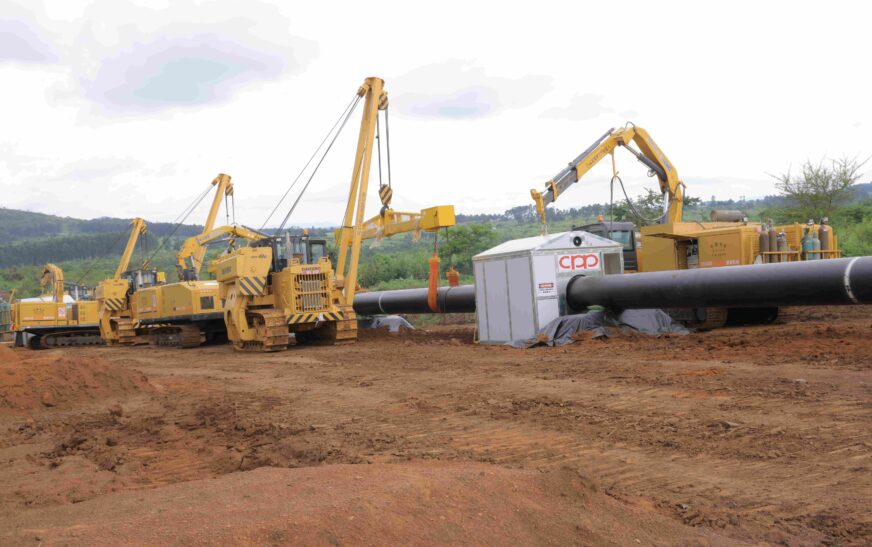
Documentation from different civil society work and engagement shows that communities in the Albertine Graben (Hoima and Buliisa) are especially young people living alongside the Tilenga and Kingfisher oil project areas and the wider developments associated with Uganda’s oil industry. Their experiences have challenged civil society to think differently about what “development” and “opportunities” really mean for the youth.
In Buliisa, for example, the oil boom has not automatically translated into jobs for young people. Recent reporting form the Daily monitor indicates that 58% of youth in the district are not employed, in education or under training which is significantly higher than the national figure of 42.6%. Moreover, there’s limited training and neglect for majority of the local youth to tap into oil developments.
Many young people who previously depended on fishing and farming have struggled to transition into an oil economy that often requires skills and qualifications they do not have or do not have the opportunity to join.
This raises an important question: if billions are being invested in Uganda’s oil and energy future, what kind of future is being created for the young people living where these investments are taking place?
The young people are not asking to be treated as beneficiaries of development. They want to be participants. They want opportunities that are accessible, decent and sustainable. They want investments that protect the land, water and livelihoods on which their communities depend on.

One young person from Buliisa, Jonan Kiiza, described how the oil project changed the landscape around his community and spoke about the need for oil companies to address the concerns emerging from affected communities. His experience reflects a wider concern among young people who are trying to understand what the oil industry means for their lives and future.
This is why financing matters. As Uganda and the region invest in energy infrastructure, we must ask not only how much money is being invested, but what that money is financing and whose future it is building. Financing should support energy access, decent youth employment, resilient livelihoods and renewable alternatives while protecting communities from the social and environmental costs of development.
That is why Mission 300 has to be reinforced not only in Uganda, but Africa as a whole. Thus, connecting 300 million Africans to electricity by 2030 is an important ambition, but communities also need to understand who finances these investments, on what terms and how they can influence the decisions that affect them.
Young people in Uganda and Africa at large are already living with the consequences of today’s energy decisions. They should therefore have a meaningful voice in shaping tomorrow’s future.
Therefore, if we are serious about Uganda’s youth and the future they aspire to, then we must finance that future, one that creates opportunity, protects livelihoods, respects communities and leaves young people with a healthy and liveable planet.
The writer works with Environment Governance Institute (EGI)