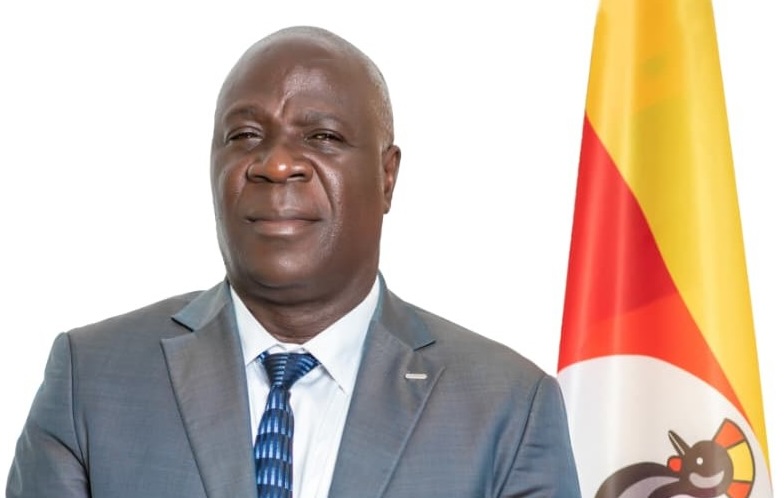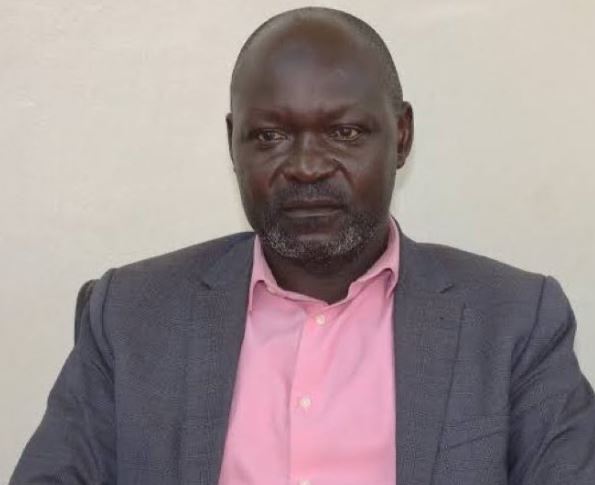

For Sam Kuloba, a retired Commissioner for Secondary Schools in the education ministry, a school’s true test of success is whether it can keep thriving long after its founder or head teacher leaves the administration.
“Establishing a school requires major investment, but the continuing financial challenges begin after opening it,” he said.
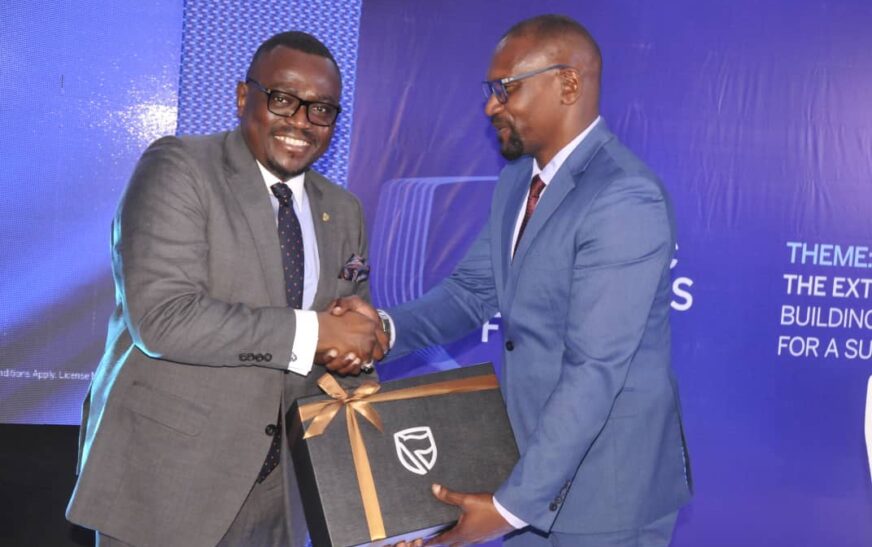
Kuloba was speaking at the Stanbic Business Forum held at Mount Elgon Hotel in Mbale on Tuesday.
Held under the theme, “The extra mile: Building schools for a sustainable future,” the platform brought together education stakeholders from the Eastern region to discuss the sustainability of schools.
He encouraged proprietors and school leaders to look beyond classrooms and academic performance and build institutions that can withstand financial, leadership and operational changes.
He said sustainable schools must professionalise financial management through realistic budgeting, proper accounting, transparent reporting and responsible expenditure.
“Schools should also diversify legitimate income, develop three- to five-year strategic plans, and prioritise completing projects instead of starting many, while also exploring partnerships with financial institutions to ease their development plans,” Kuloba said.
He said sustainability is a deliberate process that must begin before challenges emerge.
“As we talk about a sustainable future, we must start today. We must build the schools we want tomorrow by putting the right systems in place today,” Kuloba said.
He said sustainable leadership requires professional management, accountability, succession planning, and teamwork, and that schools should not be built around the personalities or individual capabilities of their founders and head teachers.
“Invest in the teacher. When you invest in the teacher, you improve learning outcomes. That is sustainability. You are building for the future, not just for today,” he said.
Kuloba also urged school owners to embrace technology responsibly, strengthen partnerships with the government and the private sector, and invest in appropriate infrastructure.

“The real measure of leadership is not whether the institution depends on you. It is whether the institution can continue to perform, grow and deliver quality education even when you are no longer there.”
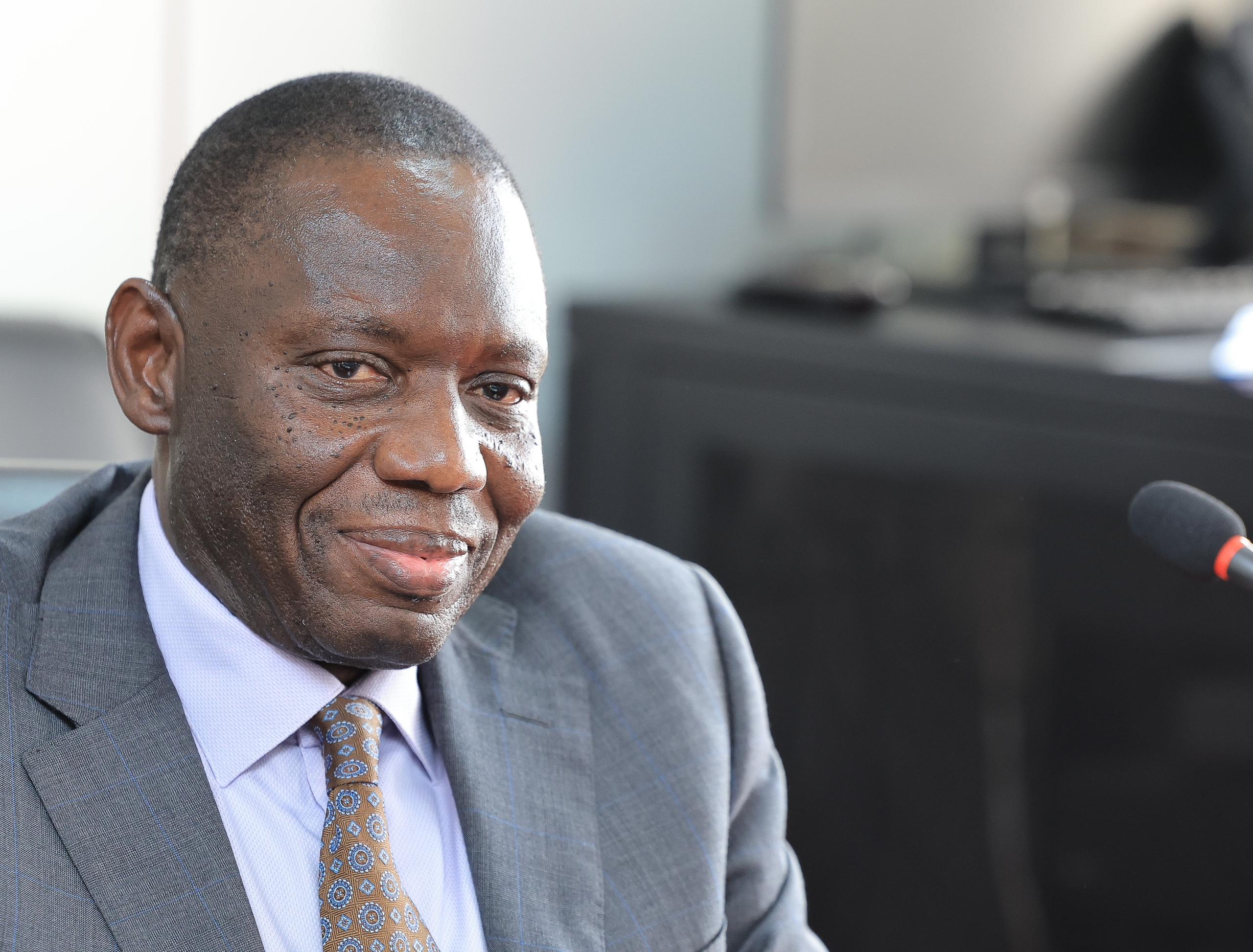
Tunde Thorpe, the Executive Head of Business and Commercial Banking, said schools play a much bigger role in the country’s development than simply providing education.
“Over the years, we have helped individuals, schools, entrepreneurs and institutions move from ambition to action by financing growth, enabling payments, building capability and connecting businesses to opportunity. Over UGX 5 trillion of Stanbic money is invested in different sectors of the economy,” he said.
Thorpe said, “But impact is not measured only by the size of a balance sheet. It is also seen in the school that expands responsibly, the teacher who is better supported, the young person who gains relevant skills, the woman who builds a sustainable enterprise, and the farmer who can produce, add value and reach a dependable market.”
He said, As Uganda aims to grow its economy from about US$ 50 billion to US$ 500 billion by 2040, driven by agro-industrialisation, tourism, mineral development, and science, technology and innovation, we need to know that human capital is not a footnote to the tenfold growth ambition; it is one of its foundations.”
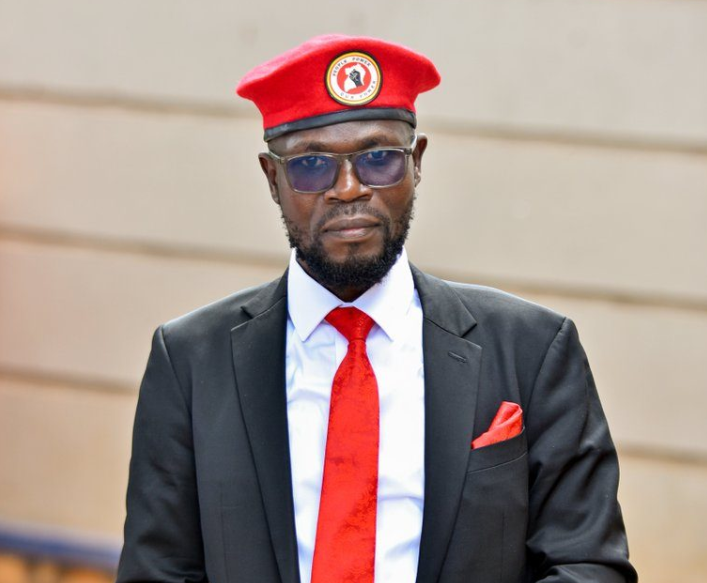
Hassan Nkuutu, the Senior Education Inspector of Mbale, called for continued professional development, refresher courses and training for inspectors.
Nkuutu said, “If the education system is changing, those responsible for monitoring it must also continuously develop their skills. We should also strengthen childhood education and foundational skills.”
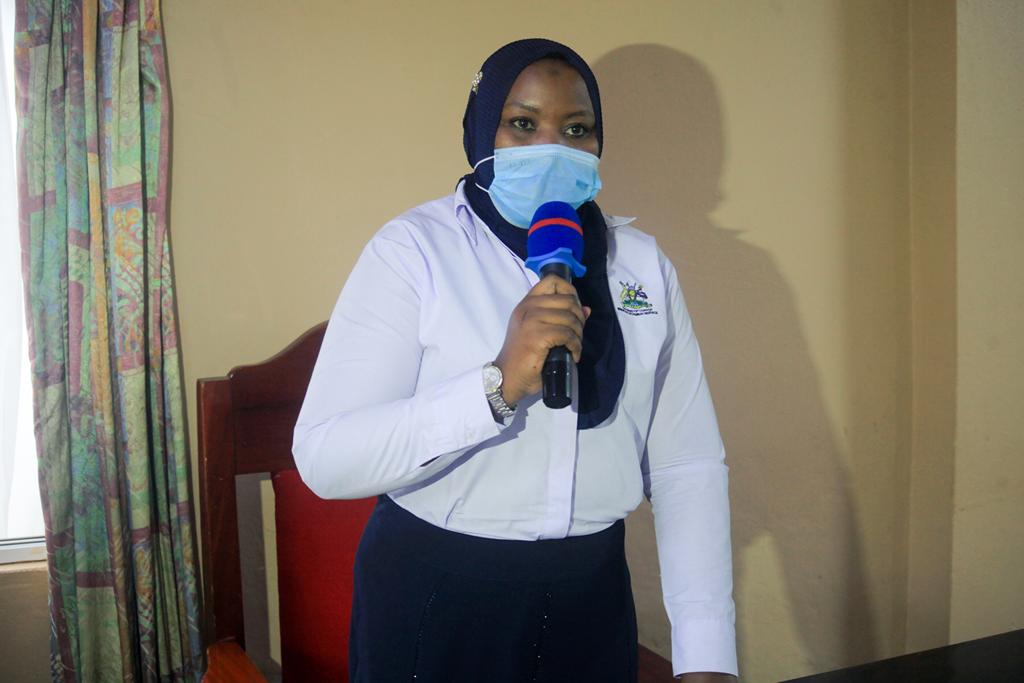
Melisa Nyakwera, Stanbic’s Head of Commercial Banking, said the bank is ready to offer support for school owners beyond the traditional focus on classroom infrastructure.
“Previously, there has been a challenge of managing finances by different school proprietors. However, as Stanbic, we are very deliberate in ensuring sustainable development of schools by going beyond classrooms. Developing a school is about building more than classrooms. It is about building a sustainable future for generations to come. We are glad to be part of this journey to build the education system of the generations to come,” she said.