
Government has moved to lift the suspension of 10 non-governmental organisations (NGOs), in a decision that could restore operations of some of the country’s leading civil society groups after nearly 10 months of restrictions.
The organisations, whose activities were halted in January 2026 over alleged national security concerns, include Chapter Four Uganda, Human Rights Network for Journalists-Uganda (HRNJ-U), Alliance for Campaign Finance Monitoring (ACFIM), African Centre for Media Excellence (ACME) and Uganda National NGO Forum.
Others are the Centre for Constitutional Governance (CCG), National Coalition of Human Rights Defenders Uganda (NCHRD-U), African Centre for Treatment and Rehabilitation of Torture Victims (ACTV), Network of Public Interest Lawyers (NETPIL) and Agora Centre for Research.
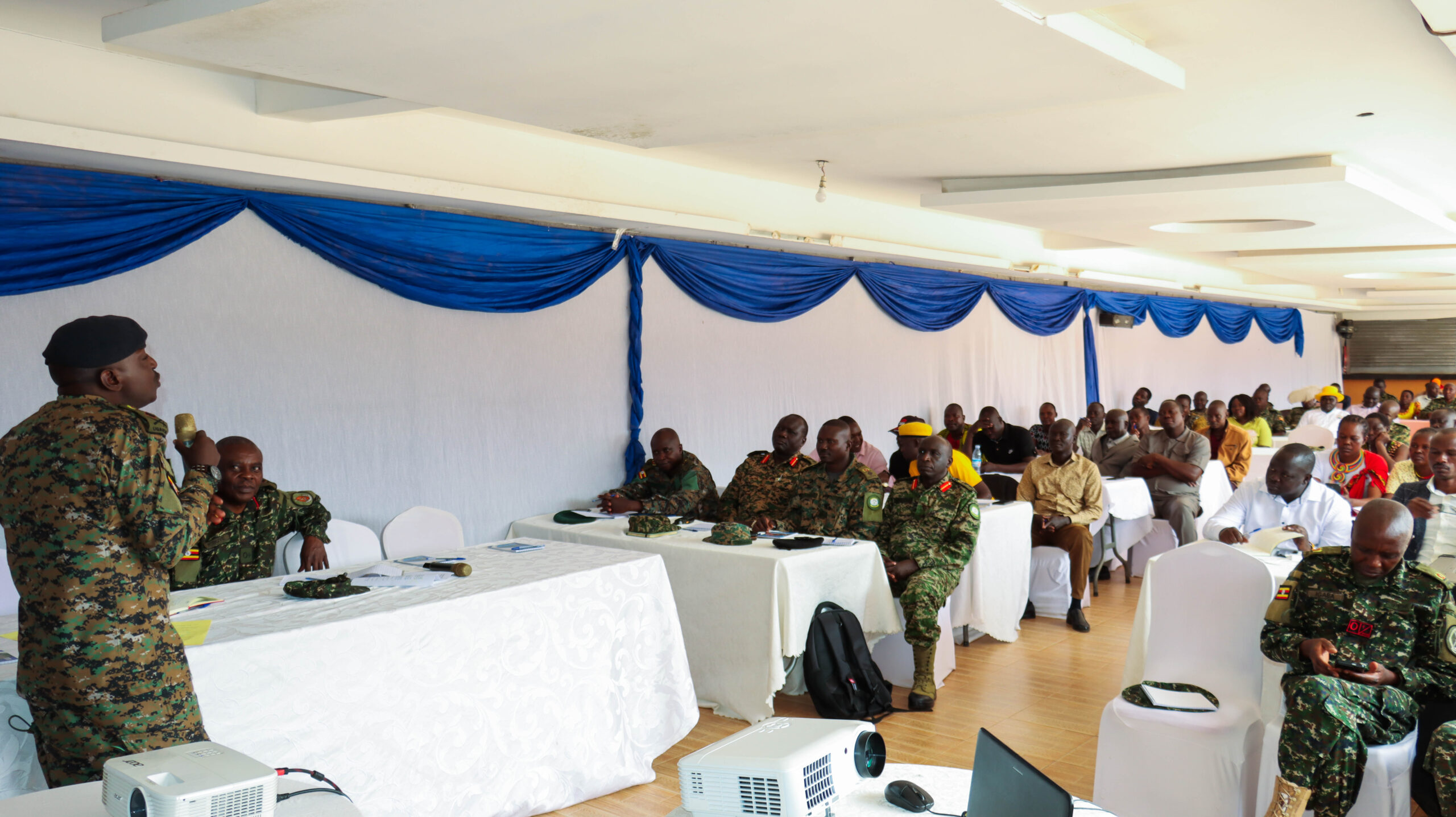
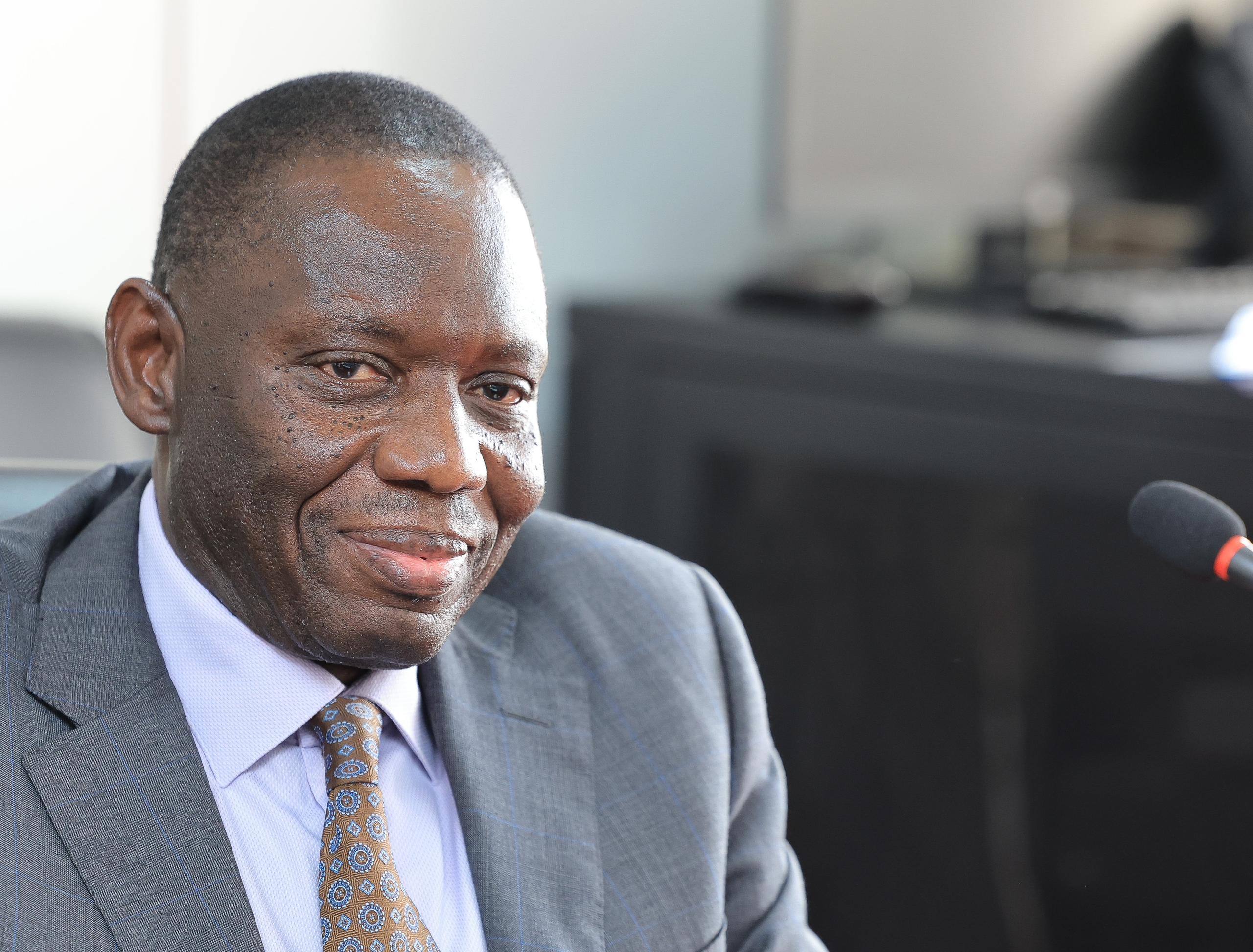
Prof Ephraim Kamuntu, the Minister of Internal Affairs, announced the decision during a quarterly dialogue between government and civil society organisations in Kampala on November 10. He directed the National Bureau for Non-Governmental Organisations (NGO Bureau) to review the cases and facilitate the reopening of organisations whose suspensions can be lifted.
Kamuntu said the decision would be based on individual assessments rather than a blanket lifting of the restrictions, adding that organisations cleared by the review should be allowed to resume operations within two weeks.
“I have reviewed it case by case. It is not a blanket decision. Those whose cases have been reviewed and found that the suspension can be lifted, it will be lifted,” Kamuntu said.
The January 9 suspension came just days before the January 15 general elections. At the time, the NGO Bureau cited intelligence reports alleging that the organisations’ activities were prejudicial to national security and contrary to Uganda’s laws.
The restrictions disrupted the work of organisations involved in human rights advocacy, media freedom, civic education, legal assistance and governance monitoring. They also raised questions about the extent to which government regulation of NGOs could affect the country’s civic space.

Kamuntu, however, acknowledged the contribution of civil society organisations to national development, saying some had stepped in to provide services and reach communities where government interventions were limited.
“Some NGOs have made immense contributions, and their contributions are visible. They have filled strategic gaps in our development efforts and reached areas where government would have taken years to reach,” he said.
The suspension has also had financial consequences for the affected organisations, with some struggling to meet operational costs, pay employees and implement programmes funded by development partners.
The latest development could ease tensions between government and civil society organisations, whose relationship has been strained by disagreements over regulation, human rights advocacy, electoral activities and foreign funding.
Kamuntu urged both sides to use dialogue to resolve their differences while ensuring that NGOs operate within the law.
The quarterly dialogue platform, established in 2013, provides a forum for government and civil society organisations to discuss regulatory challenges and strengthen cooperation.