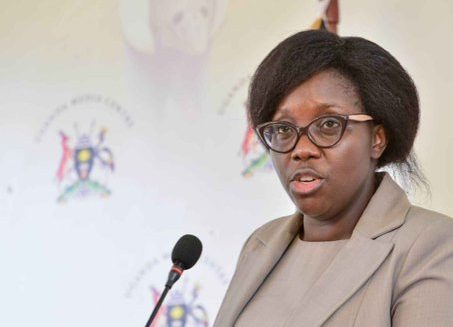

Uganda’s First Deputy Prime Minister Rebecca Kadaga has called for stronger academic cooperation between African and Russian institutions to document the historical injustices of slavery and colonialism, saying credible research is critical to Africa’s growing demand for reparations.
Kadaga said African universities, including Makerere and Kyambogo, should take a leading role in documenting the effects of slavery, colonial exploitation and the loss of African resources to strengthen the continent’s case for compensation.
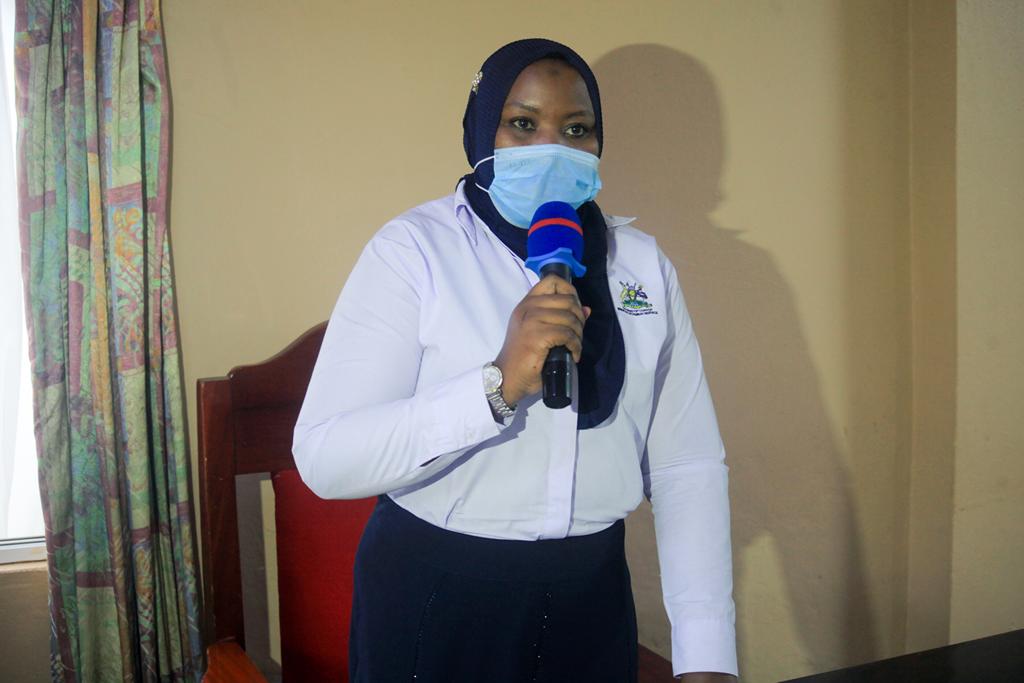
She made the remarks while welcoming the establishment of a joint African-Russian research group to investigate historical injustices and examine the damage inflicted on African societies through slavery and colonialism.
“I am happy that the issue of reparations has now come to the frontline, and I do welcome the joint research group on historical cases of reparations,” Kadaga said.
She commended Ghanaian President John Dramani Mahama for championing the reparations campaign and taking the debate to the United Nations, adding that academic cooperation would help bring together different perspectives and produce credible evidence.
“It is time to work on academic cooperation. The diverse perspectives that will be brought together will lead to more well-founded, scientific and sound research,” she said.
The initiative comes as the African Union intensifies efforts to pursue reparations for the consequences of slavery and colonialism, having declared 2025 the Year of Reparations and designated 2026 to 2035 as the Decade of Reparations.
Irina Olegovna Abramova, Director of the Institute for African Studies of the Russian Academy of Sciences, formally announced the establishment of the research group, saying it would bring together African and Russian scholars to examine the historical and economic consequences of colonialism and the transatlantic slave trade.
Abramova said the initial plan was to establish a joint research laboratory with one Ugandan university. However, the proposal was expanded after the Russian institute recognised growing interest among Ugandan universities and think tanks, as well as existing research on slavery, forced labour, cultural restitution, extractivism and land dispossession.
She said the collaboration would provide a platform for researchers to assess the damage caused by colonialism while strengthening academic links between the two countries.
Abramova said the institute was not seeking to impose Russian interpretations of African history but rather to exchange knowledge with Ugandan scholars and revive academic relationships that weakened following the collapse of the Soviet Union.
“We are not here to impose our own theories. On the contrary, we ourselves have a great deal to learn from our Ugandan colleagues,” she said.
The Russian initiative also draws on the historical relationship between Moscow and African countries, particularly during the liberation struggles against colonial rule.
Sergey Vasilyevich Lobanov, Chargé d’Affaires of the Russian Federation in Uganda, said the Soviet Union had supported African liberation movements and played a role in the adoption of the 1960 United Nations Declaration on the Granting of Independence to Colonial Countries and Peoples.
He said Russia’s contribution went beyond political support to include assistance in developing African economies, education and healthcare systems after independence.
“African friends remember that our country supported their desire to break free from the shackles of colonial dependence; the Soviet Union’s contribution went beyond political support for liberation movements, extending to the development of African states after independence,” Lobanov said.
He added that more than 300 industrial and infrastructure facilities had been established in Africa with support from the Soviet Union and Russia.

“Over 300 industrial and infrastructure facilities were built on African soil with the support of the USSR and the Russian Federation,” he said.
For African researchers, however, the reparations debate goes beyond documenting historical events to establishing how centuries of exploitation continue to shape present-day economic inequalities.
Sserubiri Uhuru, Director of Strategic Studies at the East African Freedom Council, said an estimated 20 million Africans had been directly lost through the slave trade, while centuries of exploitation had disrupted the continent’s economies and weakened its development.
He argued that the wealth accumulated by Western economies should also be examined against the exploitation of African labour and natural resources.
“The economic disparities we see today cannot simply be attributed to the ingenuity of the Western world. They must also be understood in the context of more than 400 years of exploitation,” Uhuru said.
He said the research group should help establish an evidence-based case for compensation by documenting the scale of the damage inflicted on African people and economies.
Awich Pollar, Director of External Affairs at the National Resistance Movement, said historical evidence alone would not be sufficient to advance the reparations campaign without a strong legal foundation.
Pollar warned that the international political system, particularly the veto powers exercised by permanent members of the United Nations Security Council, could complicate efforts to secure reparations.
He urged researchers to work alongside legal experts to ensure that findings from the research could withstand international scrutiny and translate into meaningful action.
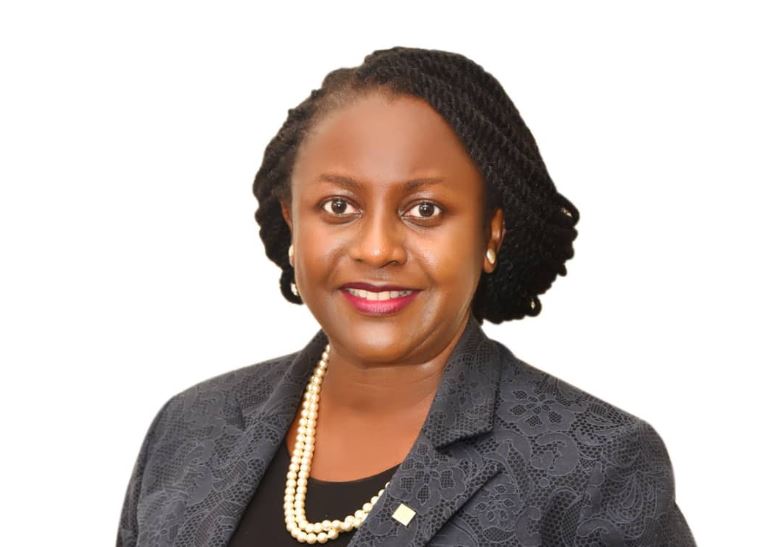
Catherine S. Namakula, Vice-President of the African Union Committee of Experts on Reparations, said the initiative offered an opportunity for Africans to reclaim ownership of their history and strengthen the continent’s demand for reparations.
She criticised the dominance of imperial perspectives in the documentation of African history, saying the experiences and contributions of Africans had often been marginalised.
“We have limited understanding of our very own history,” Namakula said.
She said cooperation between African and Russian researchers could broaden understanding of the continent’s liberation struggles and the historical forces that shaped its development.
The research group is expected to bring together scholars from both sides to document historical injustices, examine their long-term consequences and provide academic evidence to support Africa’s reparations campaign.