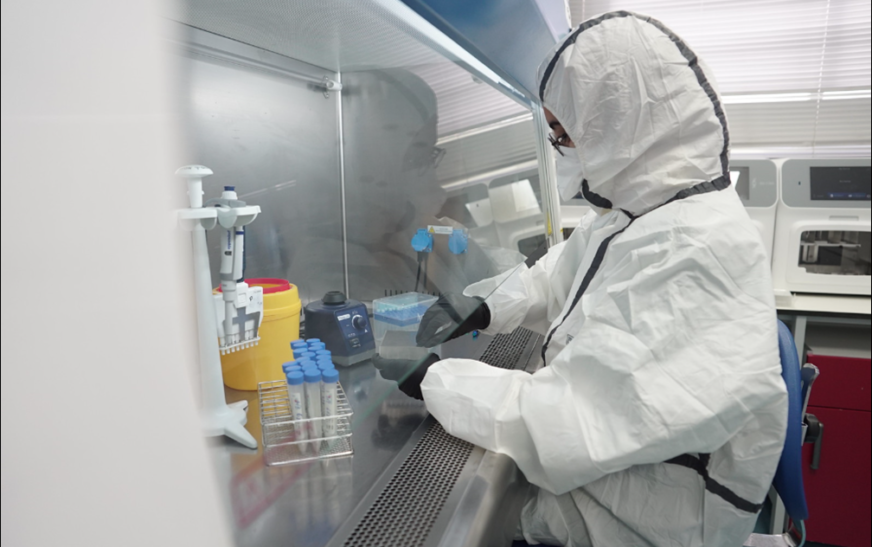

Due to the high HIV prevalence at major fishing and landing sites across the country, more than 300 women and sex workers at Kigungu Landing Site have received Sexual and Reproductive Health and Rights (SRHR) and HIV services as the world marks World AIDS Day.
During the session, community members accessed free testing, prevention, treatment, and care services. These confidential services included counseling, linkage to care, management of opportunistic infections, and support for vulnerable populations.
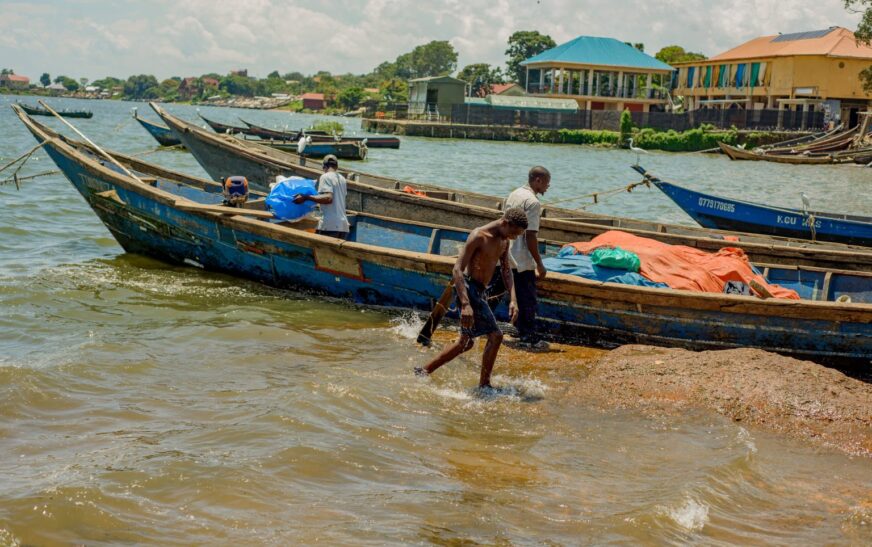
Kigungu Landing Site, comprising the four villages of Kigungu Central, Mayanzi, Misori, and Old Entebbe, is home to more than 70,000 people. On average, over 1,000 passengers travel through the site daily to various islands on Lake Victoria and to major towns around Entebbe and Kampala.
Located behind Entebbe Airport, Kigungu is home to many sex workers. However, access to reproductive health services remains a significant challenge. Condom shortages persist, and at least five women are reported to experience unsafe abortions every month.
According to UNAIDS (2024), 40.8 million people are living with HIV globally, with 1.3 million new infections and 630,000 AIDS-related deaths recorded last year. An estimated 9.2 million people living with HIV are still not accessing life-saving treatment, including 620,000 children aged 0–14, contributing to 75,000 AIDS-related child deaths in 2024.
In 2024 alone, 630,000 people died from AIDS-related causes worldwide, 61% of them in sub-Saharan Africa. Over 210,000 adolescent girls and young women aged 15–24 acquired HIV—an average of 570 new infections every day.
Latest statistics from the Uganda AIDS Commission (UAC) show that Uganda has 1.49 million people living with HIV, with a prevalence rate of 5.1%. In 2023, the country recorded 38,000 new infections and 20,000 AIDS-related deaths. Young people aged 15–24, particularly adolescent girls and young women, remain the most affected.
A UAC study estimates that there are approximately 1,500 sex workers in these areas, many of whom face stigma and discrimination that hinder their ability to seek medical care. HIV prevalence among sex workers in fishing communities remains alarmingly high at 37%, compared to the national average of 5.4%. Limited access to contraceptives continues to increase the risks of unwanted pregnancies and unsafe abortions. Strengthening the SRHR budget is crucial to bridging this gap.
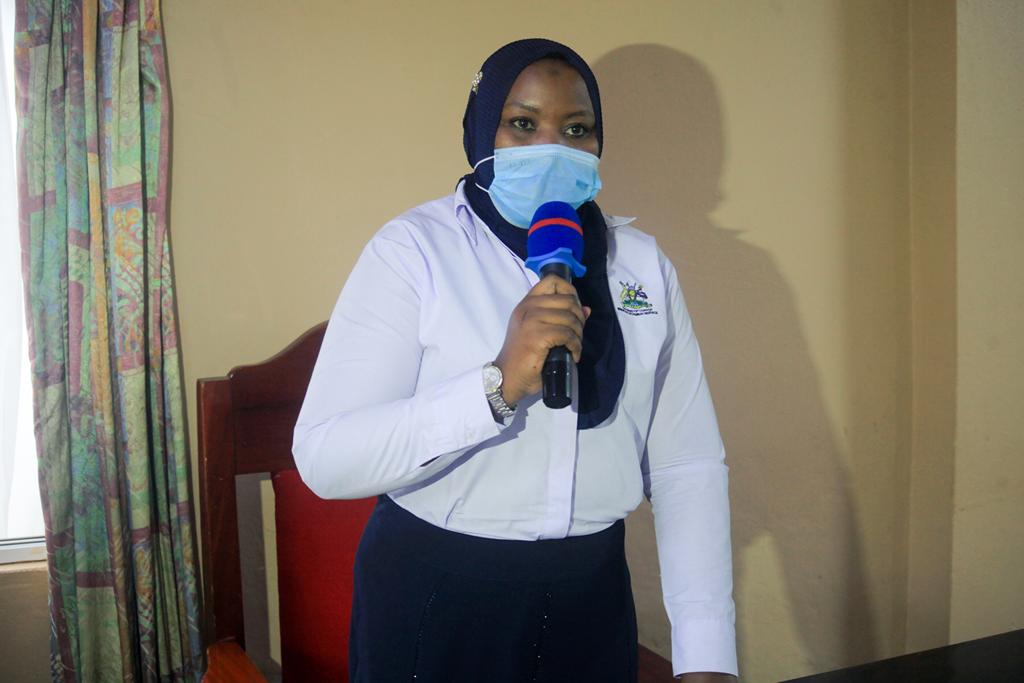
Poline Nabwire, the Head of Programs at Family Medical Point, said there is a scarcity of condoms at landing sites, especially in Kigungu, and the few available free condoms are often sold at Shs 5,000 each, making them unaffordable for many community members.
She said some residents sometimes fail to access condoms at health facilities, which undermines ongoing efforts to reduce HIV prevalence at major landing sites such as Kigungu, Nakiwogo, and others.
Recently, the World Health Organization (WHO) approved the rollout of HIV injectable treatments, but sex workers say the cost of the injections is still too high for them.
“There are HIV injections and the vaginal ring already on the market; however, priority is given to other communities, leaving out sex workers. People often get tired of taking daily drugs,” Nabwire said.
Nabwire said sex workers face a lot of stigma at health facilities and within the communities where they live.
Nanyonjo Rose, a resident of Kigungu, welcomed the introduction of HIV injectables but appealed for them to be made affordable for ordinary people.

“I ask the government to make the injectables affordable at about Shs 10,000, unlike the high cost of Shs 100,000 we hear about. The injections came at the right time because many patients struggle to take their medication consistently,” she said.
She added that despite the introduction of injectables, the community is still not aware of how they work or their possible side effects, making it difficult for people to confidently opt for them.
Catherine Hope from the Center for Women’s Justice said the organization is working to improve women’s reproductive health because their rights are violated every day.
“Some women are abused, but many fear to come out. They must know their right to speak up and to go to the police to report someone,” she said.
“We offer free legal aid for women, and in cases that require financial support, we discuss options with them depending on when the case is going to court.”
The center has handled more than 130 cases this year, including gender-based violence, sexual harassment, abortion-related cases, family disputes, land conflicts, and others.
Kayidali Medie, a councilor at Kigungu Landing Site, revealed that the area has over 600 HIV-positive patients from various regions, with at least three out of every ten people testing positive for the virus.
Despite the high HIV prevalence, Medie noted that local authorities have been actively sensitizing the community on condom use and other HIV preventive measures to curb further infections.
“The challenge with HIV here is that people keep migrating, which makes it difficult for them to consistently access their medication. They are often asked to return to their original health facilities to obtain transfer letters, but many fail to do so,” he explained.
Medie also highlighted that the landing site regularly receives new women sex workers, many of whom use drugs and alcohol. The situation is expected to intensify when fishermen return for the Christmas holidays, flooding the site.
“Many patients miss out on their medication because they move from one island to another and cannot access drugs without proper medical documents. Health facilities often chase them away for missing paperwork,” he added.