
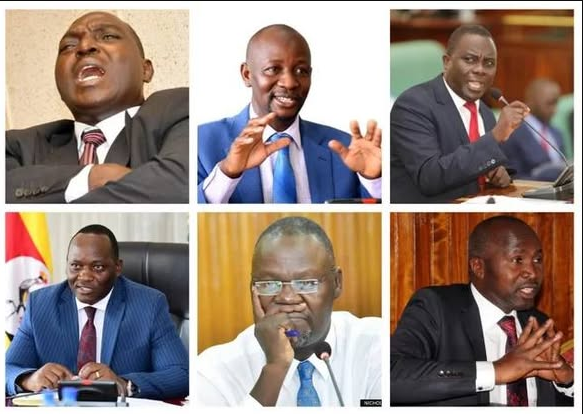
Uganda’s opposition faces a new reality after a seismic shift at the ballot box this week, as elections swept away some of the country’s most familiar political faces almost overnight.
The Jan. 15 vote became a political graveyard. Decades of experience, national fame, and hard-fought reputations could not shield incumbents from a restless electorate. For many, the 12th Parliament begins without them—a stark, unceremonious end to careers that once defined the struggle against the status quo.
Mathias Mpuuga Nsamba’s fall in Nyendo–Mukungwe hit hardest. Once the voice of the opposition as Leader of the Opposition, Mpuuga’s split from the National Unity Platform and move to lead the Democratic Front left him stranded between warring factions. The result: a harsh reminder that loyalty—and survival—are fickle in Uganda’s political climate.
Medard Lubega Sseggona and Ibrahim Ssemujju Nganda faced similar fates. Gifted speakers and relentless watchdogs, they discovered that political skill does not always equal votes when party allegiances fracture. Sseggona’s gamble as an independent in Busiro East, and Ssemujju’s attempt to plant the People’s Front for Freedom in Kira, both failed to take hold.
No corner of the opposition bench was spared. Asuman Basalirwa, JEEMA’s president, could not hold Bugiri Municipality despite dominating headlines with the Anti-Homosexuality Bill. Allan Ssewanyana, who had survived legal battles and incarceration, lost Makindye West after running as an independent, defeated by the official NUP candidate.

Even celebrity was powerless. Singer-turned-politician Geoffrey Lutaaya lost Kakuuto County. Former journalist Joyce Bagala, after a grueling legal fight to keep her seat in Mityana, was swept aside. Alongside veterans like Abed Bwanika and Abdu Katuntu, these exits signal a rejection of the “old guard”—the familiar faces that once commanded both airtime and authority.
The opposition that emerges is untested, volatile, and searching for direction. Voters didn’t just reject individuals—they rejected the infighting, the fragmentation, and the stale politics of the past. As seasoned politicians leave their offices, a younger, more unpredictable opposition steps into the void, facing a leadership crisis that could redefine Uganda’s political landscape.