
The African Union (AU) Election Observer Mission has raised concerns over the suspension of internet services during Uganda’s 2026 General Elections, warning that the move curtailed fundamental freedoms and weakened the transparency of the electoral process.
Addressing journalists at a joint press briefing at Skyz Hotel in Naguru, the Mission’s Head and former Nigerian President, Goodluck Jonathan, said the decision by the Uganda Communications Commission (UCC) to block internet access ran counter to commitments earlier made to election observers.
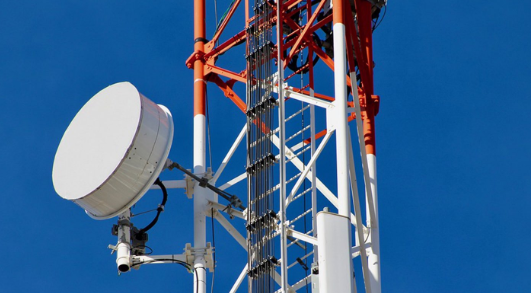
“Although the Uganda Communications Commission had assured observers that internet services would remain available throughout the electoral period, the Mission observed that the internet was shut down two days before polling,” Jonathan said.
He noted that the shutdown limited citizens’ access to information, violated freedom of expression, and hampered the work of the AU–COMESA–IGAD Joint Election Observer Mission.
Campaigns for the 2026 General Elections began on 29 September 2025 and ended on 13 January 2026, with eight candidates competing for the presidency. While the Mission acknowledged that campaigns were conducted across the country, it concluded that the electoral environment remained uneven due to disparities in access to state resources, media exposure, and campaign venues.
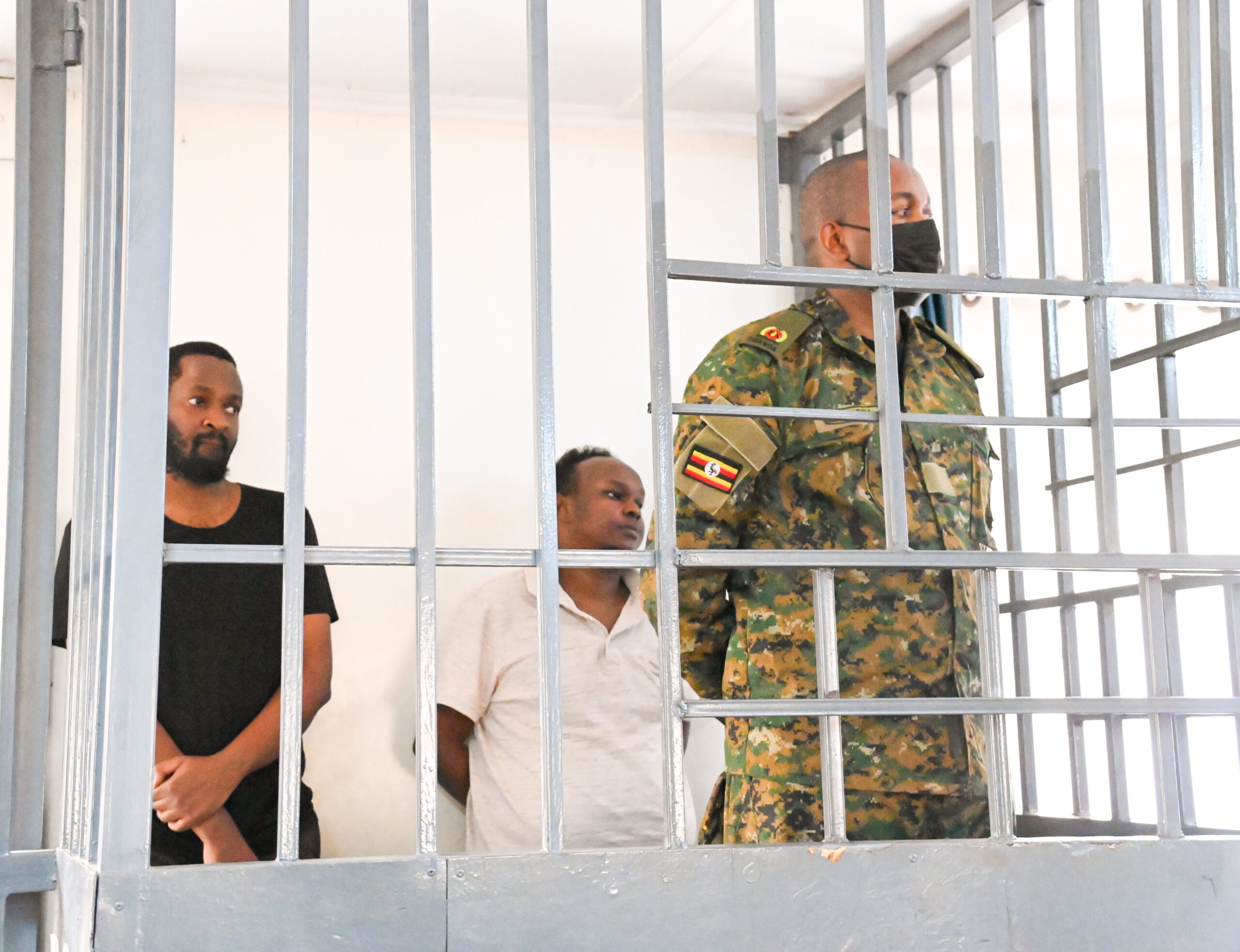
The AU Mission reported that although the campaign period was generally calmer than the 2021 elections, it was still marked by incidents of intimidation, arbitrary arrests, and excessive use of force, particularly targeting opposition candidates and supporters, journalists, civil society organisations, and other actors.
Observers documented cases in which security agencies used tear gas, water cannons, and, in some instances, live ammunition to disperse opposition gatherings, leading to injuries and reported deaths.
Jonathan said the leading opposition candidate informed the Mission of repeated obstacles, including blocked campaign events, denial of access to previously booked accommodation, and exclusion from both state-owned and private media outlets.
The Mission also received allegations of vote buying and inducement of candidates through cash handouts, goods, and other material incentives.
In addition, AU observers pointed to weaknesses in Uganda’s campaign finance laws, noting the lack of a comprehensive framework governing electoral spending.

“Expensive campaigns, combined with weak regulation, tilt the playing field in favour of wealthy and well-established political actors. This undermines inclusive participation, particularly for women, young people, and persons with disabilities,” Jonathan said.
Despite these shortcomings, the Mission praised the Electoral Commission (EC) and the Uganda Police Force (UPF) for securing presidential candidates and overseeing key stages of the electoral process, including campaigning, polling, vote counting, and tallying.
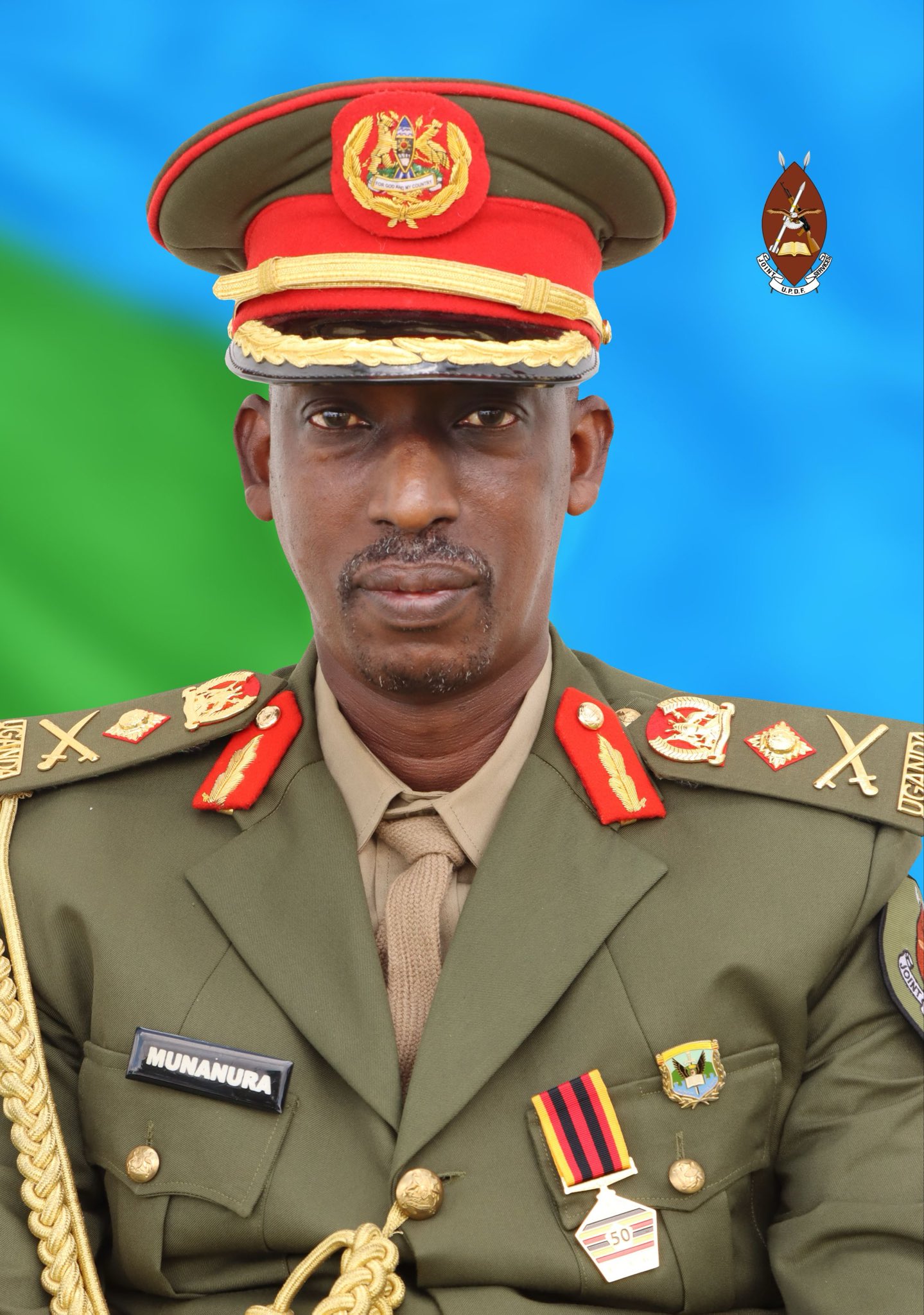
However, concern was raised over directives described as unlawful, issued by the Chief of Defence Forces and later endorsed by the EC Chairperson and the Inspector General of Police, instructing voters to leave polling stations immediately after casting their ballots.
According to Jonathan, the directive conflicted with electoral law, which allows voters to remain within a 20-metre radius of polling stations, and fuelled suspicion while undermining confidence in the process.
The Mission further observed that reports of arrests, intimidation, and alleged abductions of opposition figures, journalists, civil society actors, and supporters contributed to fear and weakened public trust in the elections.
While acknowledging that the 15 January 2026 polls were more peaceful than those held in 2021, the AU Observer Mission said significant challenges persist.
“The Mission remains concerned about continued harassment, intimidation, and arrests of opposition actors, media, and civil society organisations, alongside the suspension of NGOs and the internet shutdown,” Jonathan said.
The AU announced that its final report will present detailed recommendations aimed at improving electoral credibility, protecting fundamental rights, and advancing a more open, inclusive, and transparent democratic process in Uganda.