
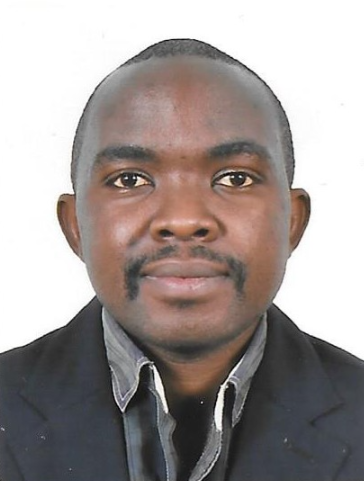
By Dedan Kimathi
By far, the most contentious elections are now behind us. Those that remain, particularly the LC V and Youth MP polls, though meaningful in other countries, are largely ceremonial in this part of the world.
As we speak, winners of various constituency seats are immersed in celebrations, while some incumbents have already resumed their parliamentary duties. This week, several committees began deliberations on the Budget Framework Paper (BFP) for the 2026/27 financial year.
Only a small bastion of those who lost, regardless of any plausible unfairness, are still struggling to come to terms with what transpired. On the streets, business is picking up, and with the resumption of Mobile Money services, economic activity is expected to return to full swing by the end of the week.
The fear, or even the idea, of long-term political strife in present-day Uganda is unrealistic and overblown. Uganda’s political dynamics differ significantly from countries such as Egypt, Libya, Kenya, or Tanzania, where civilians have historically risen up against what they perceive as oppressive states.
Economic Fragility
Political struggles demand economic resilience. Yet many citizens, especially in urban centres, are loud in rhetoric but economically vulnerable. Many live hand-to-mouth, constantly worried about their next meal. Few can endure, let alone imagine, a prolonged period of disrupted economic activity that typically accompanies insecurity.
According to the Uganda National Household Survey 2023/24, the median monthly cash earnings of over 60 percent of persons in paid employment stood at Shs 200,000, while combined cash and in-kind payments amounted to Shs 260,000.
These figures are often assumed to apply only to chapati makers or wheelbarrow pushers. However, many professionals in shiny shoes and suits, talkative journalists, young lawyers, factory workers you jostle with every morning while trying to catch a taxi, fall squarely within this bracket or only slightly above it.
This economic fragility makes it easier for heavily resourced political actors to buy off large segments of the population or short-change them into abandoning struggles for social justice. In Uganda, where many youths go months without tasting chicken or pilau, a “Ghetto Youth Something Festival” can easily divert attention for a day or two.
More dangerously, this vulnerability makes it difficult for the opposition to organize effectively. Cadres and party members are often bought off in bulk or swayed by modest sums. In a country where bread-and-butter politics sells more than ideology, immediate survival outweighs long-term political ideals.
Lack of Civic Awareness
Another factor is the low level of political consciousness among the majority of Ugandans. Many do not vote, and those who do often vote for entertainment value or based on the physical attractiveness of candidates.
Many citizens remain naïve about how poor governance and corruption directly affect their daily lives. Mobilizing such a population is therefore an uphill task. Worse still, others, especially those above forty, have resigned themselves to fate after seven elections failed to deliver the change they hoped for.
The Fate of the Kabanje Campaign
This raises the question: what becomes of those still trapped in the Kabanje chant? This is not to belittle anyone or dilute legitimate struggles. However, history shows that such campaigns often lose steam as time drags on, much like Dr Kizza Besigye’s “Reclaim Our Victory” campaign after the 2016 elections.
Uncomfortable as it may sound, many opposition politicians who jump about at rallies are more interested in securing office than advancing the situlago. After winning parliamentary, mayoral, or LC seats, many distance themselves from radical activism and instead focus on consolidating their newfound wealth.

It is therefore no surprise that when “foot soldiers” confront them, they suddenly begin speaking in tongues. Personally, I know a female opposition lawmaker from Northern Uganda who, in the midst of Besigye’s 2022 “Red Card” protests against rising commodity prices, openly admitted she was done with being tear-gassed.
Successive Defeats
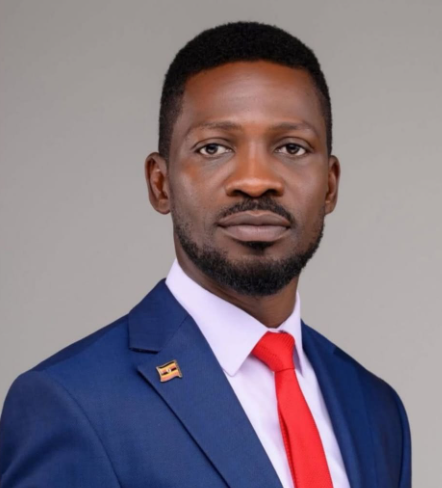
When the dust finally settles on the 2026 elections, the National Unity Platform (NUP) and its leader, Robert Kyagulanyi Ssentamu, alias Bobi Wine, will not remain the same.
Ugandans are notoriously impatient with opposition leaders, a short-termism whose cause I am yet to fully diagnose. To many, two presidential attempts are one too many. Beyond that, leaders once exalted are dismissed as failures, accused of losing their “magical touch” or masanyalaze, and the public quickly jumps onto the next political bandwagon.
This was evident with the late DP president Paul Kawanga Ssemogerere after 1996, and with Besigye after 2006, when he arguably lost his aura of invincibility despite subsequent runs. After the first two attempts, party leaders who once cowered at his sight began openly questioning his tactics and decisions, a pattern likely to repeat itself with Kyagulanyi.
Power Struggles Within NUP
I am not a prophet of doom, but signs suggest that sections of the NUP leadership may soon begin questioning Kyagulanyi’s decisions, particularly regarding the electoral credentials of top lieutenants, some of whom lost constituency races.
Those who won parliamentary seats may openly jostle for party positions currently held by leaders who lost, arguing that failure to win personal races disqualifies one from holding strategic party offices. Such dynamics could sow seeds of internal strife and weaken the party.
Ideological Disagreements
Six years into Kyagulanyi’s leadership, party members have endured arrests, detentions, and tear gas. Some may now question whether this confrontational approach remains sustainable. If poorly managed, this could mirror the ideological impasse that once crippled the Forum for Democratic Change (FDC), which was torn between Besigye’s defiance and Maj. Gen. (Rtd) Mugisha Muntu’s institutional-building approach.
Finally, Kyagulanyi’s recent sobering defeat, trailing President Yoweri Museveni by over five million votes, may push some supporters and leaders of the “red beret” or “umbrella” movement to consider quitting politics altogether or defecting to emerging power centres.
For the crème de la crème of NUP that may decamp to NRM, the motivation will likely be securing a seat at the “dining table” during the anticipated political realignment after 2031, with promises of big offices in a much-talked-about transition administration, whose likelihood remains uncertain.
When the curtains finally fall, the most vocal of Kyagulanyi’s radical support base will be in their thirties, others in their fifties. Family responsibilities, retirement planning, and everyday survival will take precedence. And just like that, another generation will buckle, handing the baton to Generation Alpha to pull off the inevitable.
The writer is a law-abiding citizen.