
After weeks of digital silence, the government has announced the full restoration of access to all social media platforms, ending restrictions imposed during the recently concluded presidential elections.
The announcement was made by the Chief of Defence Forces, Gen. Muhoozi Kainerugaba, in a Monday morning post on X, in which he praised Ugandans for their patience and cooperation during what he described as a tense election period.
“We are releasing all social media today. I thank all the great people of Uganda for their support and cooperation throughout this electoral season,” Muhoozi wrote, adding that the public’s resilience gave leaders “the courage to serve.”
As Uganda drew closer to the January 15, 2026 general elections, the government imposed a nationwide internet shutdown, sparing only a limited number of essential service providers such as hospitals.
On January 13, 2026, acting on the recommendation of the Inter-Agency Security Committee, the Uganda Communications Commission (UCC) directed all licensed Mobile Network Operators (MNOs) and Internet Service Providers (ISPs) to temporarily suspend public internet access. The directive also halted the sale and registration of new SIM cards, as well as outbound data roaming services to One Network Area countries.
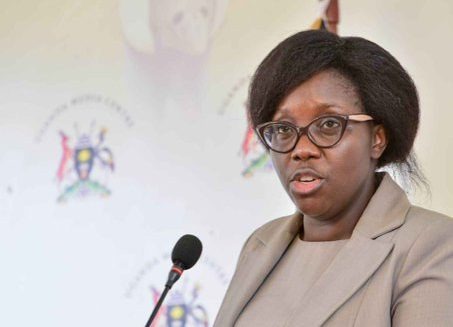
According to UCC Executive Director Nyombi Thembo, the suspension was intended to curb the rapid spread of online misinformation, disinformation, electoral fraud, and other election-related risks.
“This measure is necessary to prevent the incitement of violence that could undermine public confidence and national security during the election period,” Nyombi said.

During the shutdown, the public was unable to access social media platforms, web browsing services, video streaming, personal email, and messaging applications.
The suspension covered mobile broadband services, fibre-optic connections, leased lines, fixed wireless access, microwave radio links, and satellite internet services.
This was not the first time such measures had been imposed. Similar internet shutdowns were implemented during previous election cycles in 2016 and 2021, underscoring what critics describe as a deeply concerning and recurring trend.
The directive took immediate effect nationwide, severely disrupting communication for individuals, businesses, civil society organisations, and media houses. Services reliant on real-time internet connectivity were brought to a standstill, forcing institutions to resort to alternative communication methods as security agencies intensified election-related operations.