
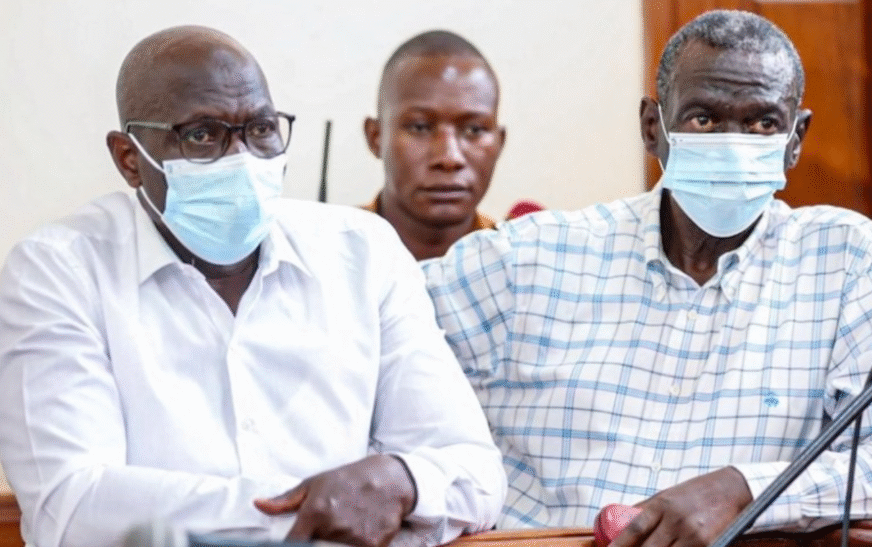
Jailed former presidential candidate Dr. Kizza Besigye and his aide, Obeid Lutale, have filed a petition in the Constitutional Court seeking to nullify the UPDF Amendment Act, 2025.
In May 2025, Parliament enacted amendments to the Uganda People’s Defence Forces (UPDF) Act despite a Supreme Court ruling that had barred the trial of civilians in the General Court Martial.
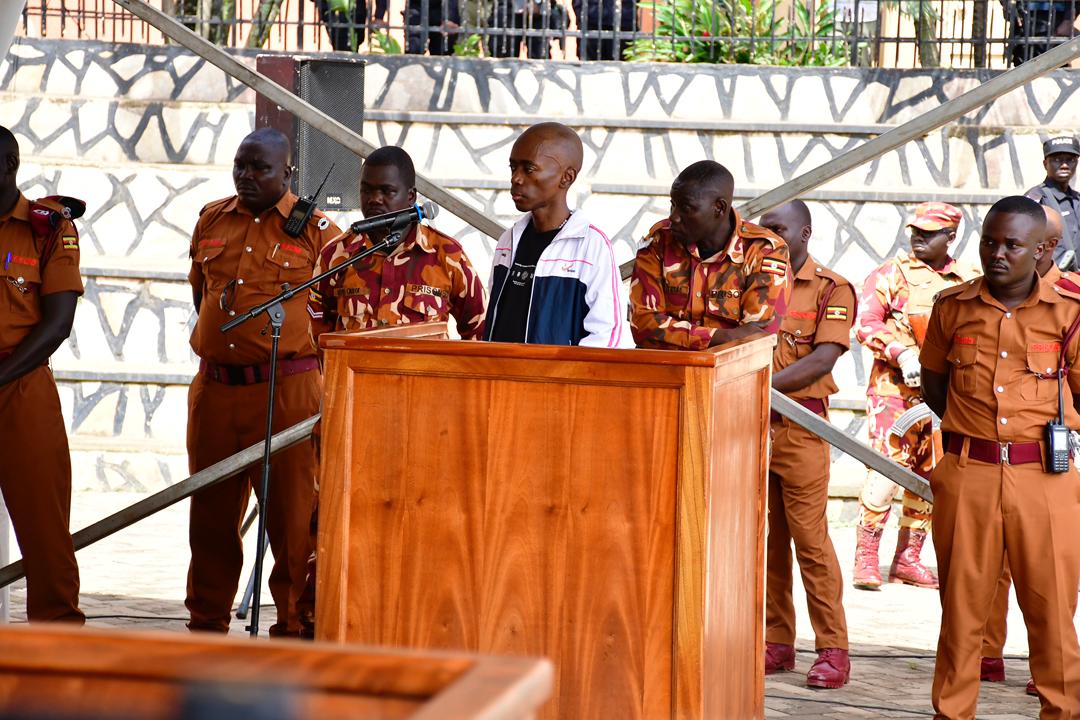
Addressing the media, counsel Erias Lukwago said the petition was formally filed after the applicants signed affidavits at Luzira Prison.
“In the course of last week, we took the petition to Luzira, and yesterday they signed the affidavits. The same were commissioned by a Justice of the Peace, and today we have filed the petition,” Lukwago said.
Through their legal team led by Lukwago, the petitioners argue that Parliament and President Yoweri Museveni’s government acted unconstitutionally by re-enacting provisions that had already been nullified by the Supreme Court.
“It is unconstitutional to re-enact a law in almost the same terms as one that has been nullified by the Supreme Court and assented to by the President,” Lukwago said.
“When you compare the old text that was nullified with the new one, they are the same in spirit and letter. This offends Article 92 of the Constitution and other provisions.”
Lukwago further maintains that Parliament did not follow the required constitutional procedures while passing the law.
“Parliament stampeded MPs to pass the bill. The rules of procedure were suspended, there was no adequate debate, and the committee did shoddy work,” he said.
He added that the bill, presented by Defence and Veteran Affairs Minister Jacob Oboth Oboth, was processed by the committee within two to three days without inviting public views, including from political parties and other stakeholders.

The law was assented to by President Museveni in June 2025 after being processed and passed within a week.
Its passage followed intense debate, with opposition MPs led by Leader of the Opposition Joel Ssenyonyi walking out of the House before the vote, citing procedural irregularities. Despite earlier indications from the National Unity Platform (NUP) and the Forum for Democratic Change (FDC) that they would participate in the process, the opposition exited the chamber, allowing the ruling National Resistance Movement (NRM) to proceed with the vote.
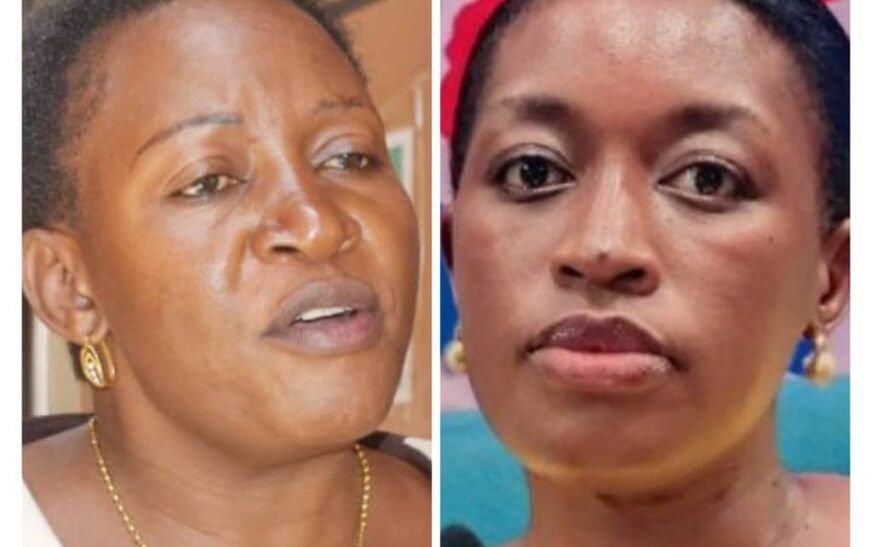
During plenary, opposition MPs questioned the speed at which the bill was handled, arguing that key stakeholders’ views were not adequately considered. Speaker Anita Among said the Legal and Parliamentary Affairs Committee had finalized processing the bill and that Parliament was required to proceed.
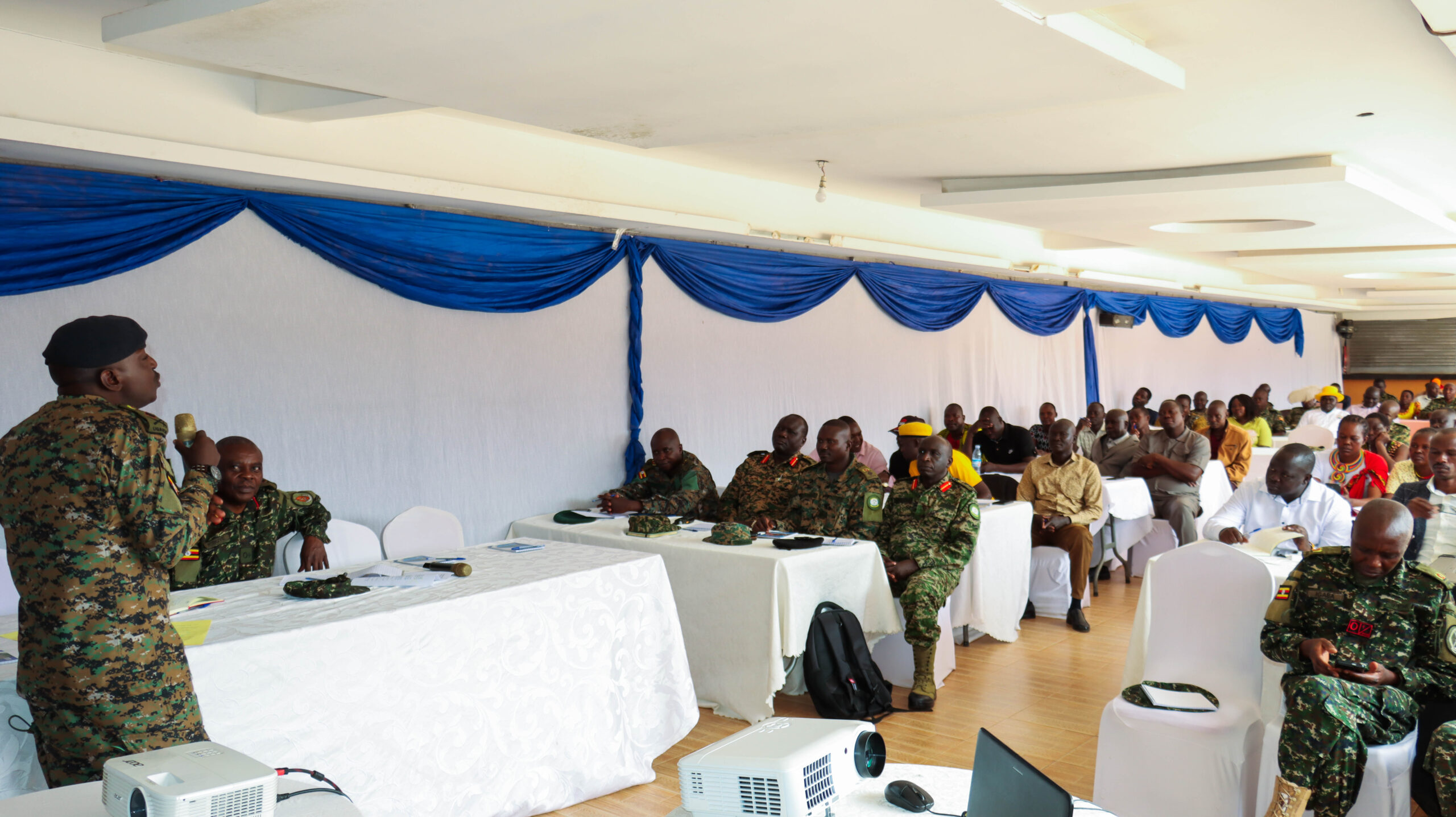
The UPDF Amendment Act seeks to revise military laws following a January 2025 Supreme Court ruling prohibiting the trial of civilians in military courts.
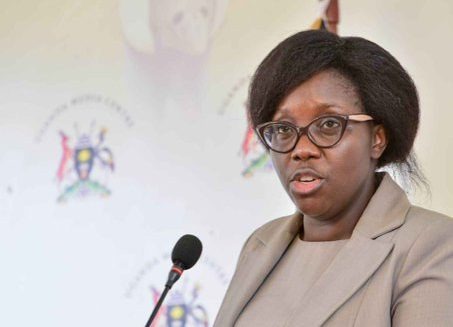
According to Minister Oboth Oboth, the bill had earlier been withdrawn to align it with the court’s decision. The amendments include restructuring the UPDF by introducing new service branches and reforming military welfare systems.
Key provisions include improving healthcare services for military personnel, transferring the Pension Authority from the Ministry of Public Service to the Ministry of Defence and Veteran Affairs, and enhancing disability compensation for officers and enlisted personnel.
Judicial reforms under the law include renaming the Unit Disciplinary Committee to the Unit Court Martial and scrapping the Court Martial Appeals Court. The military justice system would be reorganized into three tiers: the Unit Court Martial, the Division Court Martial, and the General Court Martial.