
China has unveiled an expanded zero-tariff policy for imports from most African countries, a decision widely seen as a significant shift in trade relations between Asia and the continent.
The move transforms earlier preferential arrangements into one of the most far-reaching unilateral market access initiatives extended to developing regions.
Scheduled to take full effect on May 1, 2026, the policy builds on a December 2024 program that initially focused on least-developed countries. Under the updated framework, eligible African nations will gain duty-free entry across 100 percent of tariff lines, effectively scrapping import taxes on nearly all qualifying goods shipped to the Chinese market.
Rather than following the lengthy negotiation processes typical of free trade agreements, the arrangement has been designed as a unilateral trade facilitation measure.
Chinese authorities say the model aims to streamline customs procedures, ease administrative hurdles, and provide more balanced access to China’s vast consumer market. Analysts suggest the policy could give African exporters a stronger competitive edge, particularly in industries where tariff barriers have historically limited market penetration.
The zero-duty coverage spans a wide array of products, with particular emphasis on agricultural and resource-based exports. High-value farm produce, fisheries products, processed foods, textiles, and selected manufactured items are among the goods expected to benefit. Previous phases of China’s preferential access schemes had already widened coverage to include staples such as rice, wheat, cotton, sugar, cereals, and timber-related products—sectors considered vital for strengthening industrial value chains across African economies.
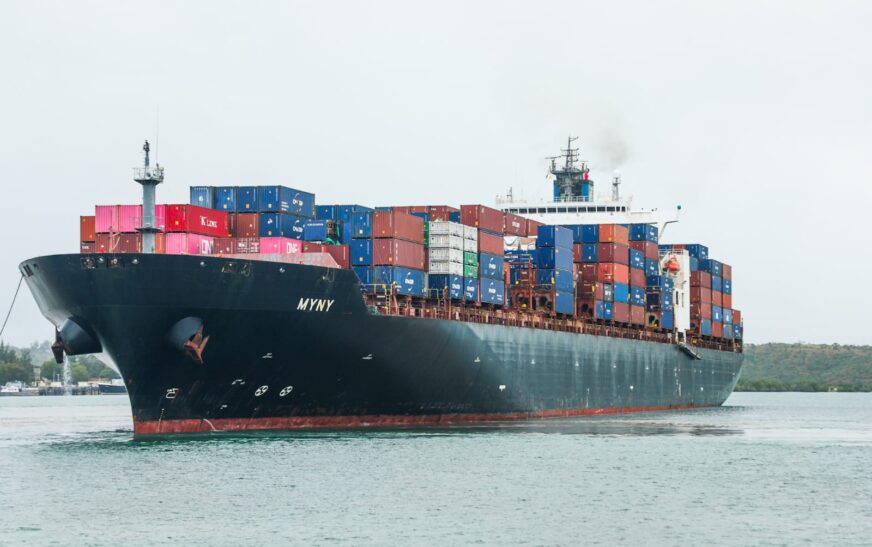
Commercial ties between China and African countries have expanded steadily over the past decade, with bilateral trade surpassing $200 billion in recent years.

Despite this growth, African exports remain heavily weighted toward raw materials, sustaining long-standing trade imbalances.
Chinese officials say the broadened tariff exemption is intended to promote export diversification, stimulate agro-processing and manufacturing industries, and foster deeper industrial collaboration. Authorities estimate that China could forgo roughly $1.4 billion annually in tariff revenue, describing the sacrifice as a strategic investment in resilient supply chains and long-term economic partnership.
The expanded framework is structured to comply with rules under the World Trade Organization, ensuring consistency with international provisions on preferential market access for developing countries.
It also reinforces pledges made through the Forum on China-Africa Cooperation, where trade growth and industrialisation cooperation remain central priorities.
In addition, the initiative complements infrastructure and connectivity projects under the Belt and Road Initiative, which continues to fund transport networks, logistics facilities, and energy developments aimed at supporting export-driven expansion.