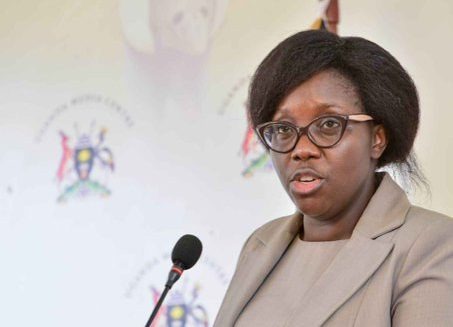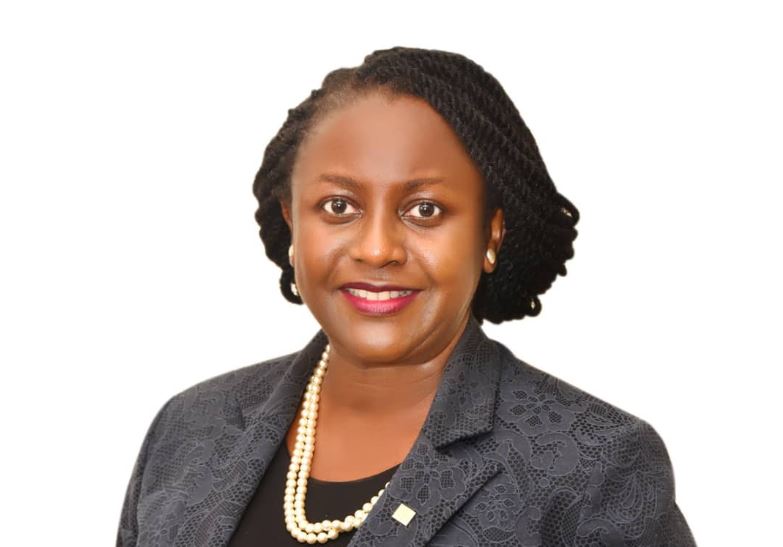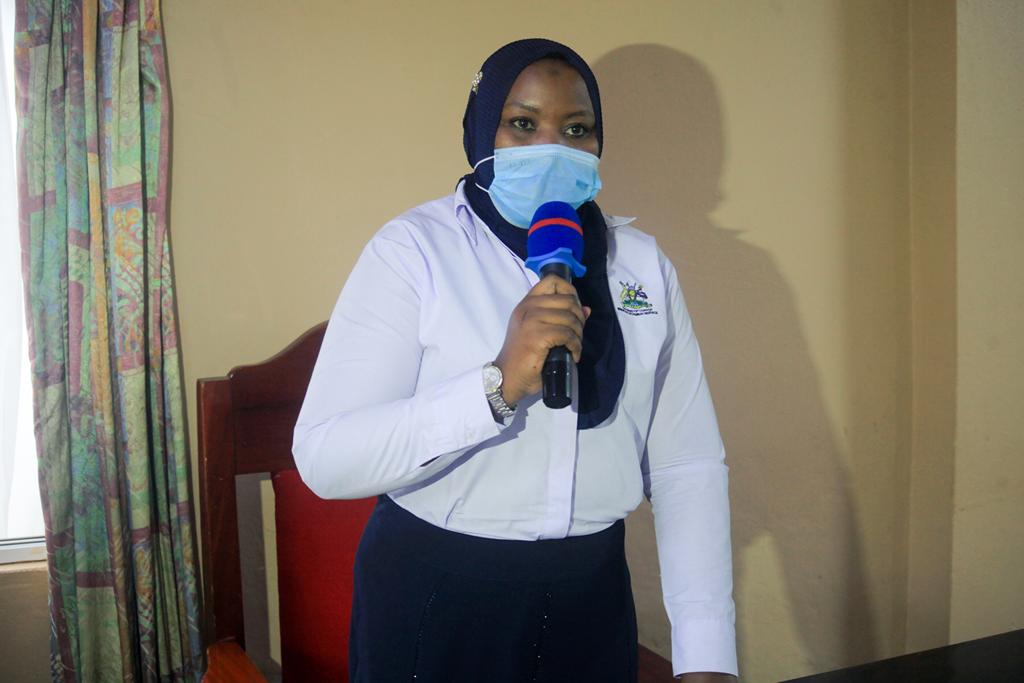

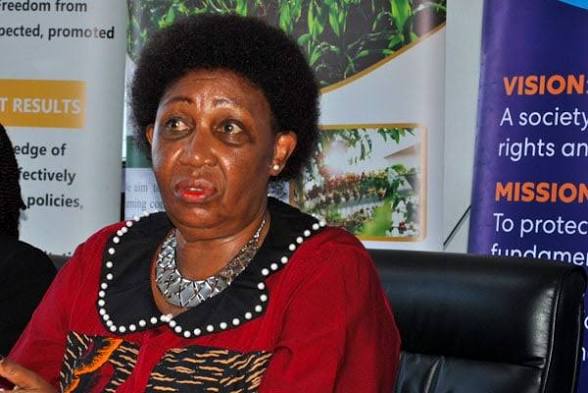
Leadership in the field of human rights is rarely comfortable. It demands courage to challenge injustice, resilience to endure criticism, and determination to defend the dignity of others even when the path is uncertain. In Uganda, one of the figures who continues to embody these qualities is Hon. Mariam Wangadya, the Chairperson of the Uganda Human Rights Commission.
As the world marks Women’s Month, it is an opportunity not only to celebrate women’s achievements but also to reflect on the women whose leadership quietly shapes institutions and strengthens society. Hon. Wangadya stands among those leaders whose work reminds us that protecting human rights is not an abstract ideal—it is a daily responsibility that affects the lives of ordinary citizens.
At the Uganda Human Rights Commission, an institution established under the 1995 Constitution to promote and protect the rights and freedoms of Ugandans, leadership carries immense responsibility. Behind every petition filed, every investigation conducted, and every tribunal session held lies a story of someone seeking justice, dignity, and recognition. Under Hon. Wangadya’s stewardship, the Commission continues to serve as an important avenue through which citizens can pursue accountability and redress when their rights are violated.
Her leadership extends beyond administration. It is rooted in advocacy and in the consistent use of her voice to highlight pressing human rights concerns. Over the years, Hon. Wangadya has drawn attention to issues affecting women and girls, minority communities, and other vulnerable groups. She has also spoken about the responsibilities of state institutions and the importance of safeguarding freedoms in a democratic society.
One of the most powerful reminders of her commitment came during the commemoration of the United Nations Day in Support of Victims of Torture, where she addressed the continued existence of torture and cruel treatment in society. Her message was both direct and sobering: violations of human dignity do not occur only within detention centers or public institutions—they can also take place in homes, communities, and everyday interactions.
By highlighting these realities, she challenged citizens to rethink their role in protecting human rights. Respect for dignity, she emphasized, is not only the duty of governments or institutions but a collective responsibility shared by society as a whole.
Hon. Wangadya has also repeatedly emphasized the need to build a stronger human rights culture in Uganda—one that extends beyond legal frameworks. In her view, respect for rights must begin in classrooms, workplaces, and communities, shaping how individuals interact with one another. Such a vision recognizes that laws alone cannot guarantee dignity; it is the values embraced by society that ultimately sustain justice.

Her dedication to this cause has not gone unnoticed. In 2025, the European Union in Uganda recognized her efforts with a certificate of appreciation for her commitment to promoting human rights and strengthening accountability within public institutions. The recognition reflected the significance of her contributions to national conversations around freedom of expression, equality, and access to justice.
Yet the work of defending human rights is seldom free of difficulty. Navigating debates around governance, security, and civil liberties often places leaders in complex and sometimes controversial positions. Hon. Wangadya herself has faced criticism in the course of these debates. Still, she has continued to assert the constitutional independence and mandate of the Uganda Human Rights Commission, demonstrating the resilience that human rights leadership demands.
Her journey offers an important reflection on what leadership truly means. It is not merely about occupying an office; it is about carrying the responsibility to safeguard the dignity of others. It is about using authority not for power, but for protection—ensuring that even the most marginalized voices have somewhere to turn when justice is denied.
For young women and girls across Uganda, her example carries a powerful message: that women can lead national institutions, influence public discourse, and help shape the moral direction of society.
As we celebrate women this month, we honor not only the milestones achieved by women leaders but also the values they represent—courage, perseverance, and service to others. Hon. Mariam Wangadya’s leadership reminds us that the pursuit of human dignity is a continuous effort. And when women step forward to guide that effort, they strengthen the foundations of justice, equality, and hope for generations to come.