
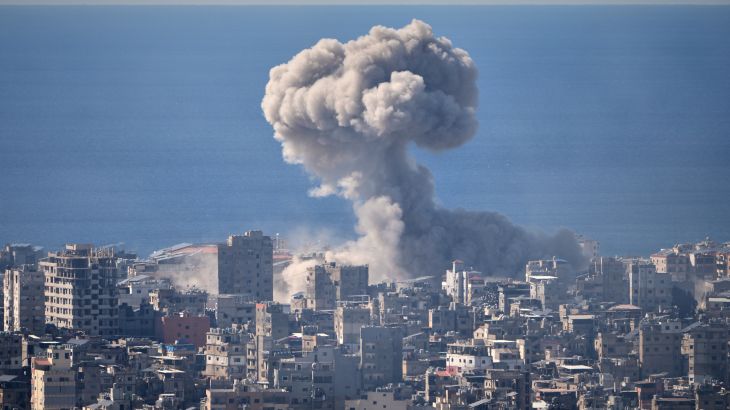
The ongoing conflict involving Iran is threatening to trigger a global food crisis after major disruptions in the supply of fertilizers, according to a report by the Financial Times.
The report highlights growing concerns over shortages of urea, the world’s most widely used nitrogen fertilizer, which is essential for the production of staple crops such as rice, wheat, maize and soybeans.
Data from energy and commodities analytics firm Kpler indicates that out of approximately 2.1 million tonnes of urea expected to reach global markets, more than 1.1 million tonnes have failed to leave the Persian Gulf due to escalating tensions in the region. The fertilizers are currently stranded as shipping routes face disruptions linked to the conflict.
Analysts warn that the situation is being worsened by rising prices of natural gas, a key raw material used in the production of ammonia, the main ingredient in nitrogen fertilizers. The surge in gas prices has already forced several fertilizer plants across parts of Asia to suspend or reduce production.
The Middle East plays a critical role in the global fertilizer trade. Experts note that roughly one-third of global urea exports pass through the strategically important Strait of Hormuz, a narrow maritime corridor connecting the Persian Gulf to international shipping lanes.
About 26 percent of the world’s nitrogen fertilizer trade also transits through the strait, making the region a vital artery for agricultural inputs worldwide.

With shipping routes disrupted and supplies tightening, global urea prices have already surged by more than 40 percent since the conflict began, raising concerns about higher farming costs and potential food shortages in the coming planting seasons.
Countries heavily dependent on fertilizer imports are expected to feel the impact most severely. Agricultural economists warn that rising fertilizer costs could lead to lower crop yields, particularly in regions such as South Asia, Latin America and parts of Sub-Saharan Africa.
Experts say the situation could worsen if the conflict continues to disrupt maritime trade routes in the Gulf, potentially triggering a chain reaction across global food supply chains and pushing up food prices worldwide.