
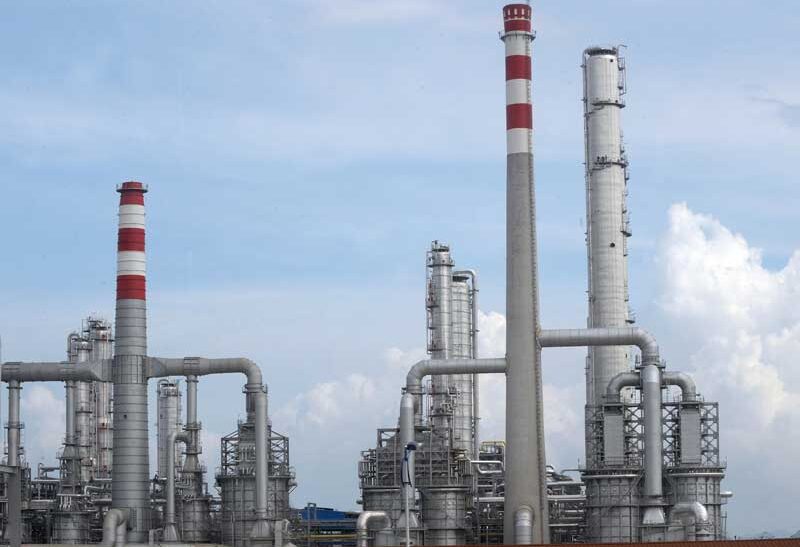
Global oil markets surged into volatility after Israel launched an airstrike on Iran’s South Pars gas field, the world’s largest natural gas reserve sending Brent crude soaring past $110 per barrel.
The strike, followed by Tehran’s threats to retaliate against major Gulf energy infrastructure, triggered panic across energy markets. Persian Gulf benchmarks, including Dubai crude, briefly spiked beyond $150 per barrel, underscoring the scale of geopolitical risk in one of the world’s most critical oil corridors.
Initial reports indicate the attack disrupted Iran’s gas exports to Iraq and damaged key processing facilities at South Pars and the Asaluyeh gas plant. In response, Iran’s Revolutionary Guard issued stark warnings, signaling potential strikes on energy installations tied to the United States and its regional allies.
Evacuation alerts were reportedly issued around several high-value targets, including Saudi Arabia’s Samref refinery and major gas hubs in the UAE and Qatar, heightening fears of a broader regional escalation.
Analysts say the strike has compounded existing supply anxieties, following recent drone attacks on the UAE’s Shah gas plant and Fujairah oil terminal. European gas prices rose by about 1.8%, while Brent crude recorded an intraday jump of over 5%, reflecting both immediate disruption risks and deepening uncertainty.

The stakes remain high in the Persian Gulf, where nearly a fifth of the world’s oil supply flows through the Strait of Hormuz. Any sustained disruption could keep global energy prices elevated and ripple across industries worldwide.
Qatar condemned the strike on the shared South Pars/North Field reservoir, warning it threatens both regional stability and global energy security. Calls for restraint have intensified, but analysts caution that without swift de-escalation, high oil prices could persist well into mid-2026—impacting everything from manufacturing to global food production.
With Brent now at its highest level this year, markets remain on edge, closely tracking both military developments and diplomatic efforts to prevent further escalation.