
Iran has struck at the heart of the Gulf’s energy network, launching a series of retaliatory attacks on key oil and gas facilities in a major escalation of the ongoing conflict.
The strikes, carried out over two days, targeted critical infrastructure in Qatar, the United Arab Emirates, and Saudi Arabia—sending fresh shockwaves through global energy markets already on edge.
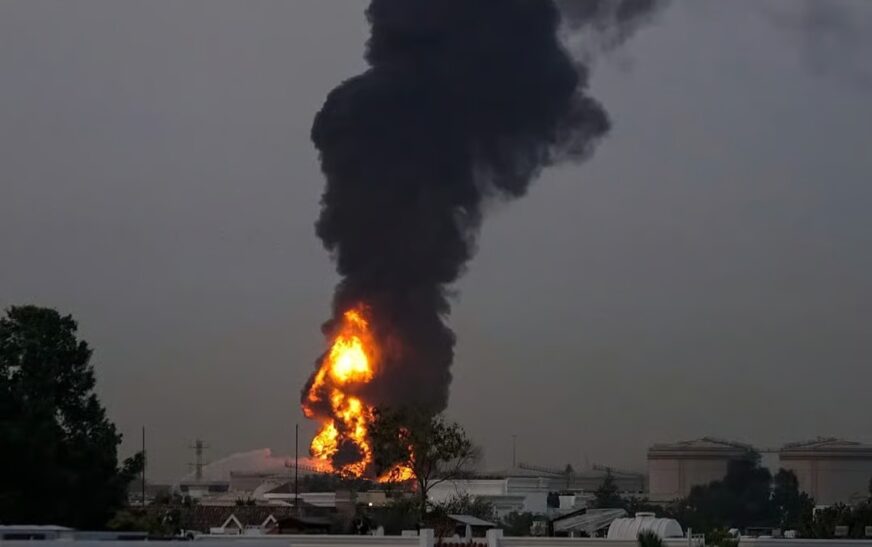
In Qatar, missiles hit Ras Laffan Industrial City, the world’s largest LNG export hub, with at least one reportedly breaching air defenses and igniting large fires. A follow-up strike inflicted additional damage, raising concerns over potential disruptions to global gas supply.
The UAE also came under attack, with Iran targeting the Habshan gas processing plant and the nearby Bab oil field both central to Abu Dhabi’s energy output. While most missiles were intercepted, falling debris reportedly sparked fires and forced a shutdown at Habshan, highlighting the vulnerability of even heavily protected sites.
Saudi Arabia was not spared. Missile strikes targeted fuel infrastructure supplying Riyadh, with two refineries hit. Although officials said most threats were neutralized, debris caused damage on the ground, with videos showing flames rising from impacted facilities.
Reports of fires near Yanbu, a key Red Sea export hub used to bypass the Strait of Hormuz have further heightened fears that vital alternative supply routes could also be at risk.
The attacks come in retaliation for earlier strikes on Iran’s South Pars gas field, setting off a dangerous cycle of escalation that is now spreading across the Gulf’s energy corridor.

As tensions mount, U.S. President Donald Trump sought to distance Washington from the initial strike, insisting the United States had “no knowledge” of the operation and attributing it to Israel acting independently. He also stressed that Qatar played no role in the earlier attack, despite later becoming a target.
In a stark warning, Trump cautioned that any further escalation particularly Iranian strikes on Gulf states would trigger a forceful response, including potential attacks on Iran’s own energy infrastructure.
With critical facilities now under fire, analysts warn the conflict is edging closer to a tipping point, where sustained disruptions could rattle global supply chains and send energy prices surging.
Gulf states have condemned the strikes as crossing dangerous “red lines,” while observers warn the widening confrontation risks spilling into a broader regional and economic crisis.