
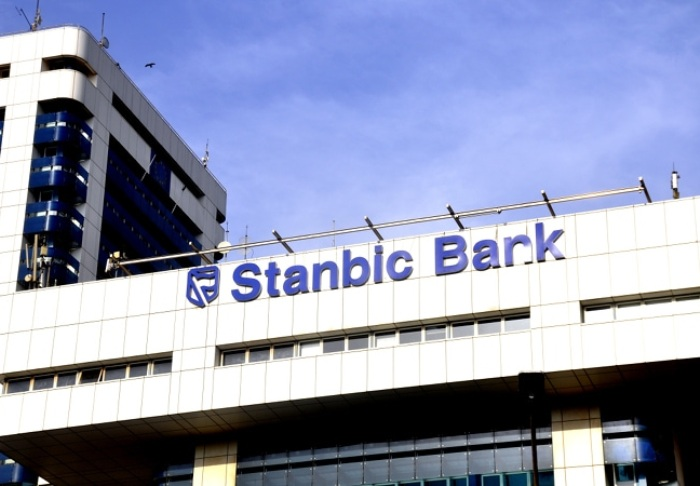
Stanbic Uganda Holdings Limited has delivered a standout financial performance for the year ended December 2025, posting a profit after tax of Shs 591 billion in a result that underscores its growing dominance and strategic momentum in Uganda’s banking industry.
The Group’s total revenue climbed to Shs1.44 trillion, powered by robust growth in non-interest income and increased activity across its client base, reflecting deeper market penetration and stronger customer engagement.
The performance comes against a shifting economic backdrop, highlighting Stanbic’s ability to expand aggressively while maintaining operational discipline and efficiency.
Group Chief Executive Francis Karuhanga credited the results to a deliberate and focused capital deployment strategy, particularly in sectors that drive inclusive growth and long-term economic transformation.
“We have been intentional about where we deploy capital. Crossing the Shs1 trillion mark in lending to Micro, Small and Medium Enterprises is not just a milestone—it signals our commitment to building businesses, strengthening value chains, and unlocking productivity in critical sectors of the economy,” Karuhanga said.
Stanbic’s balance sheet continued to strengthen, with total assets rising by 10.9% to Shs 11.5 trillion, while customer deposits grew by 12.9% to Shs8 trillion, pointing to sustained trust and confidence from clients.
At the same time, lending activity accelerated, with loans and advances increasing by 16.4% to Shs5.1 trillion, reflecting a more assertive credit approach aimed at fueling economic activity.
Stanbic Bank Uganda Chief Executive Mumba Kenneth Kalifungwa said the bank’s lending strategy remains firmly aligned with national development priorities, targeting sectors with the highest economic impact.

“Our focus is to channel capital where it matters most. The Shs700 billion deployed under Buy Uganda Build Uganda, alongside investments in energy, oil and gas, and science and technology, demonstrates our role as a catalyst for industrialisation, job creation, and expanded productive capacity,” he said.
Despite a 10.8% rise in operating costs, profitability remained resilient, suggesting improved scale efficiencies and stronger revenue quality. Asset quality also held steady even as the loan book expanded, reflecting disciplined risk management.
Chief Finance Officer Ronald Makata noted that the Non-Performing Loan ratio stood at 1.7%, slightly up from 1.5% the previous year but still within manageable levels.
“Maintaining a low NPL ratio in a high-growth environment shows the strength of our credit discipline. It means the assets we are building are performing, generating value, and safeguarding capital, allowing us to continue supporting growth responsibly,” Makata said.
The Board has proposed a dividend of Shs360 billion, a 20% increase, signalling confidence in the Group’s earnings outlook while preserving capital to sustain future expansion.