

By James Paul
A section of civil society organisations has expressed concern over a proposed NGO Funding Bill, warning that it could tighten state control over foreign funding and potentially shrink civic space if not carefully framed.
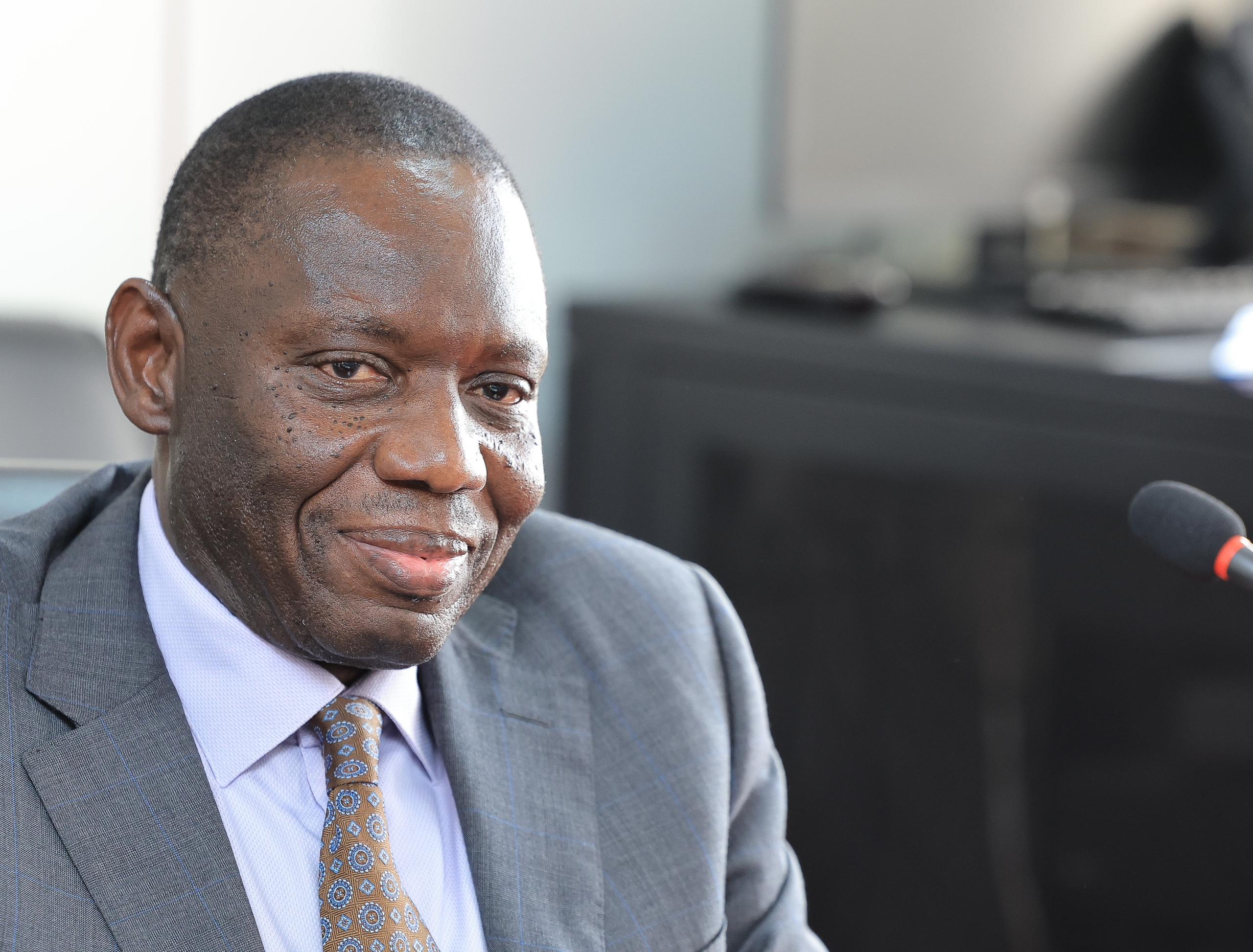
Dr Sarah Bireete, executive director of the Centre for Constitutional Governance, cautioned that the bill risks constraining the operations of NGOs and community-based organisations (CBOs).
“If not handled carefully, this bill could limit the operating space for NGOs and CBOs,” Bireete said.
Activist Sarah Mukasa questioned the timing and underlying intent of the proposal, arguing that it could tilt more towards regulation than support.
“The timing and purpose of the bill suggest it could be used more for control than support,” Mukasa noted.
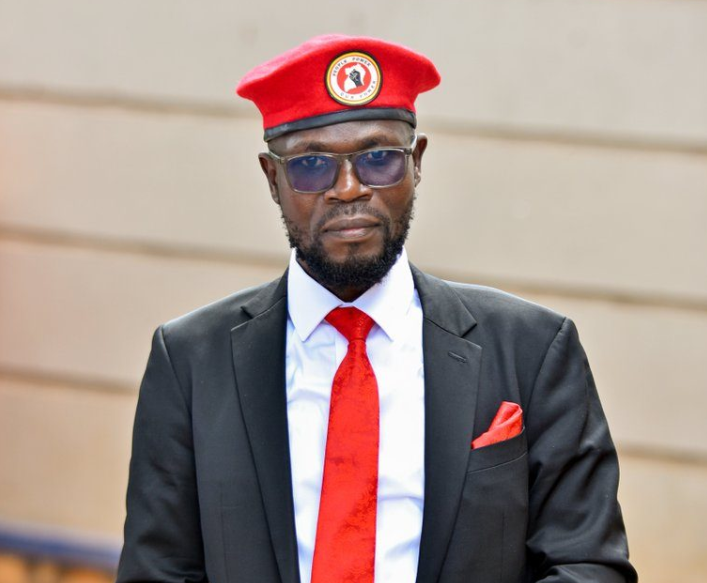
However, the bill’s proponent, youth advocate Nyanzi Martin Luther, has defended the initiative, describing it as a personal proposal aimed at strengthening local NGOs that struggle to access foreign funding.
Speaking in a phone interview, Nyanzi said efforts to engage some civil society actors had gone unanswered.
“I tried reaching out through emails, but there were no responses. What did you expect?” he said.
He clarified that the proposed framework places oversight under the Ministry of Gender, Labour and Social Development rather than the Ministry of Internal Affairs a distinction also acknowledged by Bireete.

According to Nyanzi, the bill seeks to reduce overreliance on foreign donors, promote local sustainability, and introduce tax and fee relief for essential NGO operations, while strengthening accountability and transparency.
He emphasised that the proposal does not prohibit foreign funding and provides safeguards for lawful NGO activities.
“I urge civil society organisations to consider this bill because it is intended to support both the sector and national development,” he said.
The bill is yet to be formally tabled before parliament, but the emerging debate underscores the need for broader consultation to ensure any regulatory reforms do not undermine the independence of civil society.
CSOs say meaningful engagement will be critical to preserving the sector’s role in service delivery, particularly in areas such as health, education and community development.
“Civil society must be actively involved so that any reforms strengthen, rather than weaken, the sector,” Bireete said.
For now, the proposed law remains under discussion, with its future likely to depend on the level of consensus it can build among key stakeholders.