
Uganda is betting on a fully coordinated cattle value chain to transform its halal beef sector and tap into lucrative Middle Eastern markets, according to Odrek Rwabwogo, Chairman of the Presidential Advisory Committee on Export and Industrial Development (PACEID).
Speaking at a high-level meeting in Naguru, Rwabwogo said the country must align all players from farmers and feedlot operators to processors, certifiers, and logistics providers to deliver a consistent, export-ready product.
“For Uganda to compete globally, every link in the chain must function seamlessly. From farm to market, from certification to shipping, coordination is not optional, it’s essential,” he said.
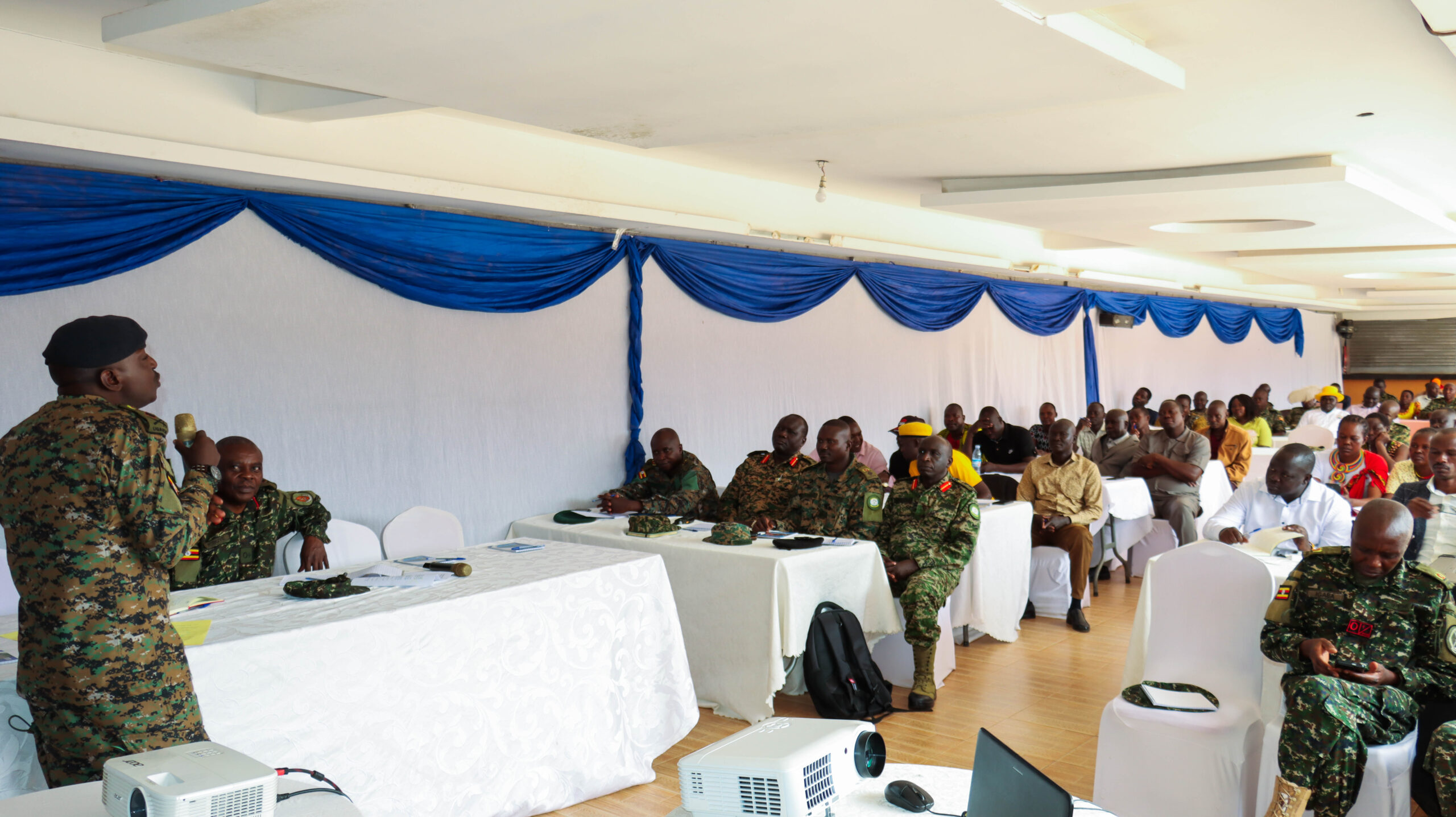
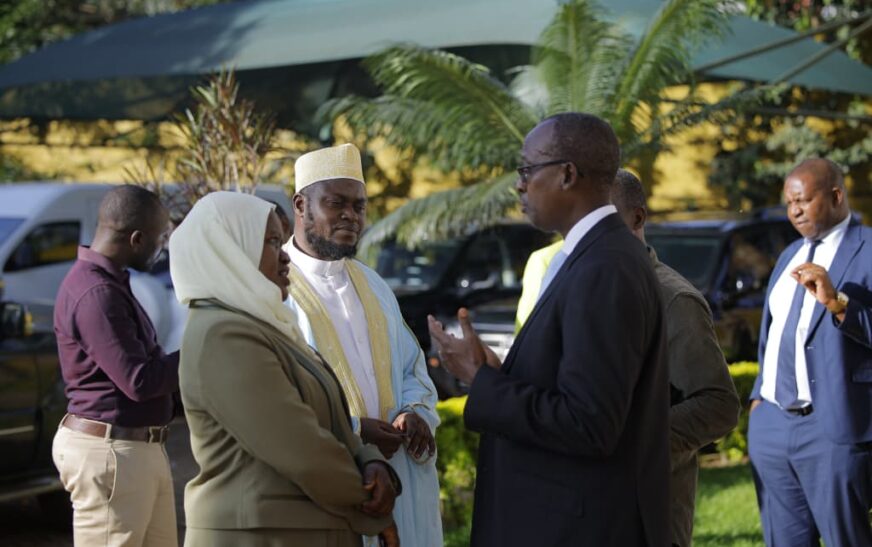
The meeting brought together key stakeholders, including the Uganda National Accreditation Services (UGANAS), the Ministry of Agriculture, the Halal Certification Bureau of the Uganda Muslim Supreme Council, and Ethiopian investors, who shared insights from their own Gulf export experience.
Experts stressed that exports depend not only on production volumes but also on credibility. Dr. Richard Musafiri, CEO of UGANAS, noted: “Global markets demand trust. Accreditation and certification give buyers confidence that Uganda’s beef meets the highest standards.”
Dr. John Patrick Kabayo, UGANAS Board Chair, added that multi-stakeholder coordination is critical to operationalizing halal certification, while Dr. Higenyi James, Principal Veterinary Officer at MAAIF, emphasized the need for structured systems: “We must focus on feedlots, genetics, and localized infrastructure to ensure animals meet international quality standards.”

Ethiopian partners, led by Dawit Hairu Defar, expressed interest in sourcing beef and goat meat from Uganda, noting that Gulf markets are highly lucrative but require a fully integrated supply chain.
Uganda’s cattle herd stands at 14.5 million head, producing 276,892 metric tons of beef in 2024, yet exports remain modest. Beef exports were valued at US$1.3 million in FY2024/25, while live animal exports reached US$20 million, mainly to DR Congo, Kenya, and South Sudan.
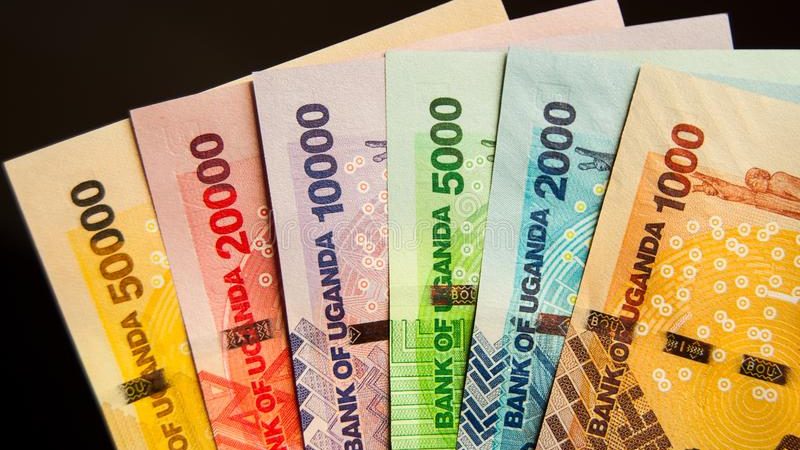
However, Middle Eastern demand is growing rapidly. The UAE alone accounted for 99% of Uganda’s Gulf exports by January 2026, with total exports to the region rising by US$270 million (Shs 1 trillion) in 2025. Experts say that a unified halal beef system could unlock even greater revenue.
Rwabwogo hailed the collaboration between public and private stakeholders, underscoring a shift in Uganda’s export strategy from simply identifying markets to building a reliable, globally competitive halal beef ecosystem capable of sustaining long-term growth.