
Government has secured $540 million (about Shs2.1 trillion) from the World Bank to finance a major urban transformation programme aimed at upgrading infrastructure, strengthening city management, and creating at least 20,000 jobs.
The funding will bankroll the Uganda Cities and Municipalities Infrastructure Development programme, a six-year initiative running from the 2026/2027 to 2030/2031 financial years. Of the total financing, $80 million is a grant, while the balance will be provided as concessional financing.
The programme marks the next phase of Uganda’s urban reform agenda, building on gains registered under the earlier Uganda Support to Municipal Infrastructure Development initiative.
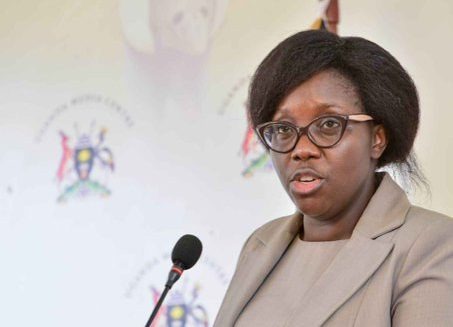
Lands Minister Judith Nabakooba said the project is designed to improve urban planning and management systems while expanding access to climate-resilient infrastructure, services, and economic opportunities.
“The programme will directly benefit an estimated 5.6 million people, including 1.6 million in refugee-hosting areas,” Ms Nabakooba said.
The rollout will cover 10 regional cities, including Lira, Arua, Gulu, Soroti, Mbale, Hoima, Fort Portal, Jinja, Mbarara, and Masaka, alongside 26 municipalities and 13 refugee-hosting districts.
Officials project that at least 20,000 permanent jobs will be created under the programme, with 5,000 earmarked for refugees and host communities. The jobs are expected to arise in urban services such as waste management, logistics, maintenance, and market operations.
Government says the infrastructure upgrades will lower the cost of doing business, spur local economic activity, and improve household incomes, particularly for women, youth, and low-income earners.
“The creation of jobs, coupled with improved infrastructure and market access, will strengthen local economies and enhance livelihoods,” Ms Nabakooba said.
The programme will prioritise five key areas, including urban roads and mobility, drainage and flood control systems, nature-based and green infrastructure, solid waste management, and local economic development.

Authorities say these interventions will improve connectivity, reduce vulnerability to climate-related shocks, and support sustainable urban growth while fostering entrepreneurship and small business expansion.
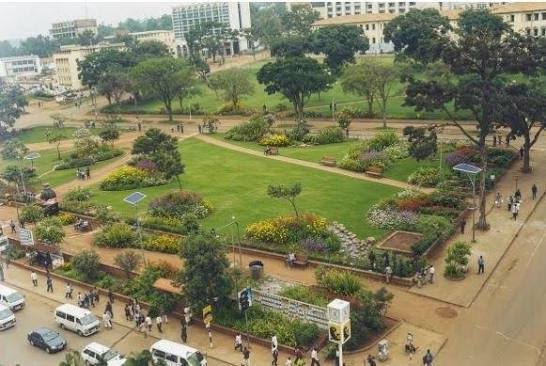
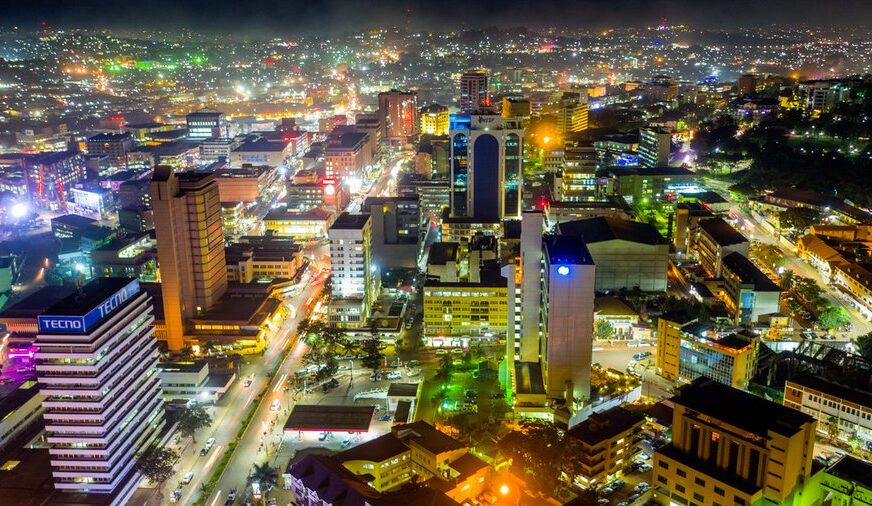
Uganda’s fast-paced urbanisation has heightened pressure on existing infrastructure. Currently, about 27 percent of the population lives in urban areas, growing at an annual rate of 5.2 percent. By 2030, the urban population is projected to rise by 69 percent, adding more than 8 million people.
Despite accommodating less than a third of the population, urban centres contribute roughly 70 percent of the country’s Gross Domestic Product, underlining their central role in economic transformation.
“The programme is critical to managing this growth in a sustainable manner. Our cities are key drivers of trade, services, and industrialisation,” Nabakooba said.
The initiative aligns with Uganda’s Fourth National Development Plan, which prioritises income growth, job creation, and economic expansion.
Implementation will commence after the signing of financing agreements between government and the World Bank, followed by procurement of contractors and stakeholder engagement.
Officials say the programme will also help decongest Kampala by strengthening emerging cities as alternative economic hubs, while deepening governance reforms and crowding in private sector investment.