
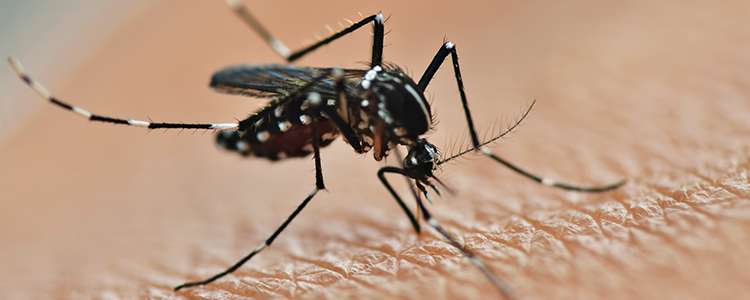
The government has launched a Shs365 billion nationwide campaign to distribute 25.8 million mosquito nets as part of renewed efforts to eliminate malaria by 2030 amid rising infection rates and continued public health concerns.
The intervention is part of the Uganda Malaria Elimination Strategic Plan, aligned with Uganda Vision 2040 and the broader national development agenda aimed at achieving a malaria-free country.
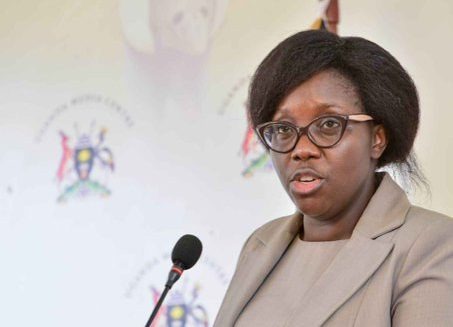
Dr Richard Kabanda, Commissioner at the Ministry of Health, said the campaign is a critical step in closing persistent gaps in malaria prevention and control.
“This campaign is part of our national commitment to ensure that no Ugandan dies from a preventable disease like malaria,” Dr Kabanda said.
He added that malaria remains a major public health challenge despite being preventable and treatable, noting that progress has been slowed by behavioural, environmental and biological factors.
“We continue to see challenges such as low consistent use of preventive measures, climate variability and emerging resistance issues that affect our control tools,” he said.
According to the 2024 World Malaria Report, Uganda accounts for 4.7 percent of global malaria cases, ranking third worldwide, and 2.7 percent of global malaria deaths, ranking ninth.
In 2025, the country registered 11.7 million malaria cases and 2,342 deaths, with more than half of the fatalities occurring among children under five years of age.
Findings from the 2024 Malaria Indicator Survey show that prevalence has risen to 12.5 percent, up from 9.2 percent in 2018/2019, a rise attributed to low adherence to prevention measures, climate variability, and biological threats affecting control tools.
Dr Kabanda said the Ministry is now scaling up implementation under the Malaria Elimination Strategy 2025/2026, which aims to reduce malaria deaths to zero through strengthened prevention, treatment and surveillance systems.
“We are intensifying interventions at all levels, from national to community level, to ensure universal access to malaria services,” he said.

The strategy focuses on expanding access to essential services, building capacity at national and community levels, and deploying targeted interventions tailored to high-risk populations.
Key interventions include behaviour change communication, distribution of insecticide-treated nets, indoor residual spraying, malaria chemoprevention, improved diagnosis and treatment, and enhanced care for pregnant women and children at community level.
Surveillance, epidemic preparedness, and operational research also form a key pillar of the strategy to strengthen early detection and response.
Health experts say consistent use of long-lasting insecticide-treated nets remains one of the most effective preventive measures, reducing malaria transmission by up to 50 percent and significantly lowering illness and deaths among children under five, pregnant women, and other high-risk groups.
Under the 2026 campaign, 25.8 million nets will be distributed across 130 districts in line with World Health Organization guidelines recommending one net for every two people.
However, districts covered under indoor residual spraying will be excluded from this round of mass distribution, though nets will still be provided through antenatal and immunisation services for pregnant women and children under five.
The campaign is funded by the Government of Uganda, the Global Fund, and the Government of the United States, with Shs365 billion allocated to procurement, logistics, and operational costs.
Officials say the renewed effort reflects Uganda’s commitment to reducing malaria deaths to zero and closing persistent gaps in prevention and treatment nationwide.