
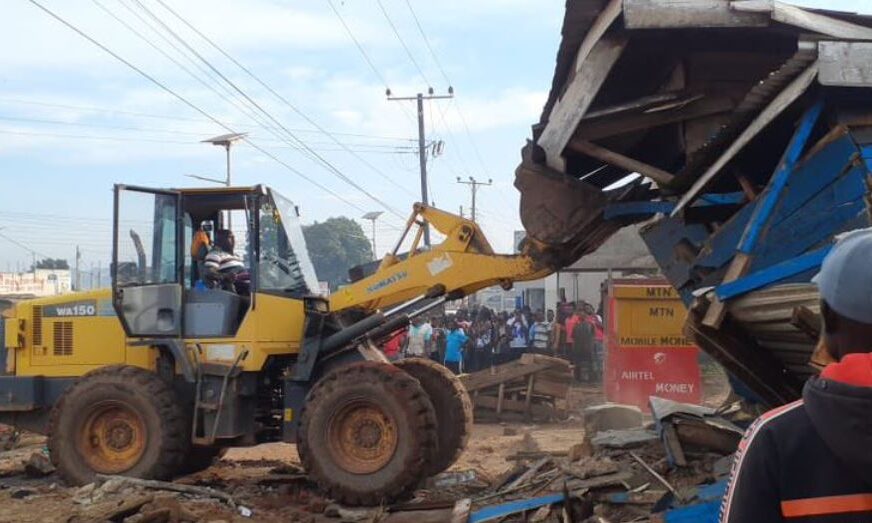
Government has moved to reassure traders affected by the ongoing Trade Order enforcement, pledging alternative trading spaces as concerns mount over the methods being used to clear vendors from urban streets.
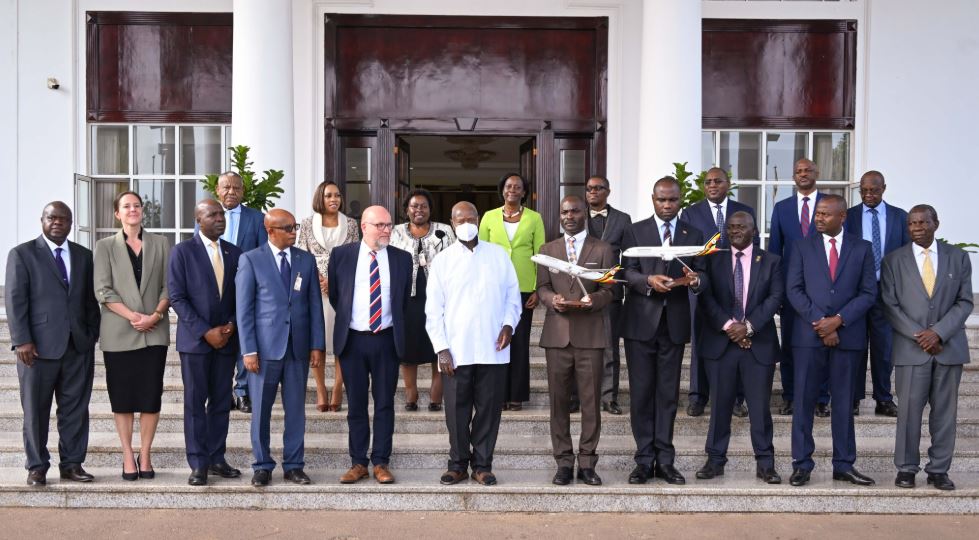
The commitment was made by the Permanent Secretary in the Ministry of Local Government, Ben Kumumanya, during a high-level consultative meeting in Kampala. The meeting brought together senior government officials and representatives of the Federation of Uganda Traders Association (FUTA), led by president John Kabanda, amid growing tensions over implementation of the policy.
The Trade Order, which seeks to relocate vendors from streets and other undesignated areas into gazetted markets, has triggered mixed reactions across urban centres. While authorities defend it as a necessary step toward improved planning, hygiene, and decongestion, its rollout has been criticised over reports of forceful evictions and disrupted livelihoods.
Kumumanya acknowledged the concerns, saying that although there is broad agreement on the need for orderly trade, enforcement in some areas has strayed from acceptable standards.
“Everybody agreed that it is proper and in order to have trade order in our urban areas,” he said. “But the biggest issue raised was the excessive force and some practices that were not acceptable in implementation.”
He cited cases of abrupt evictions, confiscation of merchandise, and demolition of structures without sufficient notice, stressing that such actions contradict government guidance.
“We have already communicated to our officers that enforcement must have a human face,” he said. “There must be adequate notice, sensitisation, and proper guidance so that traders understand the importance of this programme.”
Kumumanya emphasized that the challenge lies not in the policy itself, but in its execution. He said the Trade Order is intended to restore order in towns, improve sanitation, reduce congestion, and ensure business is conducted in designated spaces.
Central to government’s response is a pledge that no trader will be left stranded. Kumumanya said authorities are working with local governments to identify and develop alternative markets for affected vendors.
“The principle is clear—you move from the wrong place, but you must be given a place to operate from,” he said. “We are committed to ensuring that all affected traders are supported to continue their businesses lawfully.”
He added that government is considering expansion of existing markets and acceleration of new market construction to accommodate the growing number of urban traders.
Citing Moroto market as an example, Kumumanya said prior to enforcement, many stalls were vacant, but occupancy has since improved significantly.
“We have seen clear results,” he said. “Markets are now being utilized, traders are operating in more organized spaces, and hygiene standards have improved, especially for food handling.”
The meeting also agreed on intensified sensitisation campaigns and community barazas to improve communication between government and traders. Officials said the move is aimed at resolving disputes at local level and reducing the need for traders to travel to Kampala for redress.

“There is no need for someone to travel from Kotido, Kumi, Kisoro, or Bundibugyo to Kampala when structures exist at the local level,” Kumumanya said.
Government also pledged investigations into allegations of misconduct by enforcement officers, particularly where traders claim loss or destruction of goods.
“Where excesses are identified, they will be addressed according to the law,” he said.
A follow-up meeting is scheduled in two weeks to review progress and consolidate feedback from ongoing consultations.
Meanwhile, Kampala Capital City Authority (KCCA) reports indicate rising compliance, with licensed traders increasing from 12,536 before enforcement began in February 2026 to over 20,000 currently.
Officials say this signals a gradual shift toward formalised trade, improved revenue collection, and better urban management.
Kumumanya also pointed to visible changes in towns such as Mbarara, Iganga, and Mbale, which he said are becoming cleaner and more organised under the Trade Order framework.
“Our towns are steadily becoming more structured and liveable,” he said.
However, he cautioned that progress must not come at the expense of fairness.
“The goal is not just order in our towns,” he said. “It is order that is humane, inclusive, and sustainable for everyone involved.”
The meeting brought together key stakeholders including Commissioner for Urban Administration Charles Magumba, Ministry of Trade official Jones Makula Mukasa, and Presidential Advisor on Markets Winnie Atwine.
As enforcement continues, government faces the delicate task of balancing urban order with livelihoods—ensuring that the push for structured cities does not displace economic survival, but instead strengthens an inclusive urban economy.