
The United States Government has committed US$75 million ( Shs 285 billion) to humanitarian partners in Uganda to strengthen life-saving assistance for refugees, host communities, and populations affected by severe acute malnutrition linked to recurrent drought and a measles outbreak.
The funding, channelled through the Eastern and Southern Africa Humanitarian Fund and managed by the UN Office for the Coordination of Humanitarian Affairs (OCHA), will support a coordinated response led by the UN Resident Coordinator in Uganda. It will enable humanitarian agencies including UN bodies, international and national NGOs to scale up delivery of food assistance, nutrition, health services, protection, shelter, and water, sanitation and hygiene interventions targeting the most urgent needs.
Humanitarian actors in Uganda expressed appreciation to the Government and people of the United States for the significant contribution to the Uganda Humanitarian Fund. With nearly 2 million refugees and vulnerable populations facing increasing pressure, the support is expected to play a critical life-saving role. Partners also called for additional contributions from other development partners to bridge the growing funding gap.
The Uganda Humanitarian Fund mechanism is designed to enhance timely delivery of emergency assistance while ensuring strong financial oversight, transparency, accountability, and coordinated implementation within the established humanitarian architecture.
In line with Uganda’s prioritisation framework, the funding will help sustain essential frontline services during a period of severe financial constraints, complementing government efforts in hosting Africa’s largest refugee population.
Uganda is currently grappling with a deepening humanitarian crisis driven by prolonged drought, continued regional displacement, and rising vulnerability among both refugees and host communities, particularly in drought-hit Karamoja.

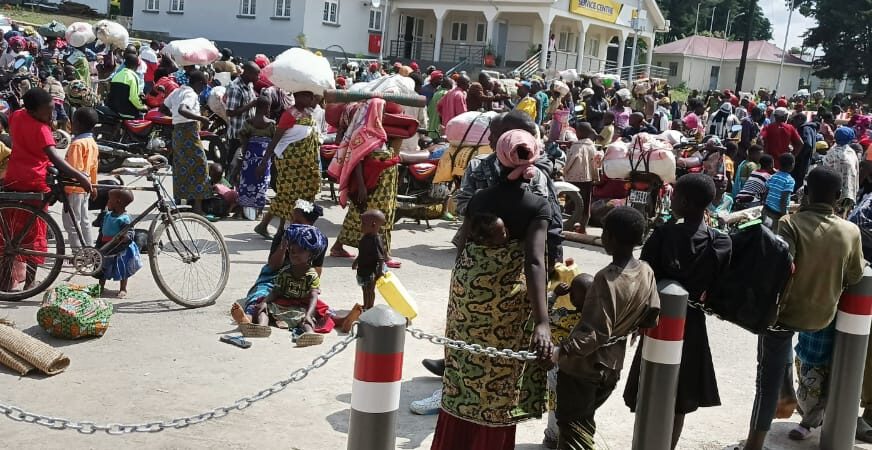
The country hosts over 2 million refugees and continues to receive new arrivals, while simultaneously facing floods, landslides, drought impacts, cross-border instability, and persistent service delivery gaps. These combined shocks are worsening food insecurity and straining already overstretched public systems.
In Karamoja, the allocation will be critical in addressing acute malnutrition and reducing child mortality risks. In refugee-hosting districts and reception areas for new arrivals, the funding will support continuity of health, nutrition, food security, protection, and water services, helping prevent further deterioration of essential systems and avoidable loss of life among vulnerable groups.
By prioritising severity-based interventions and life-saving response actions, the allocation reinforces coordinated and disciplined use of limited resources in a highly constrained funding environment. Implementation will be undertaken within the broader humanitarian framework, in close coordination under the Uganda Country Refugee Response Plan.