
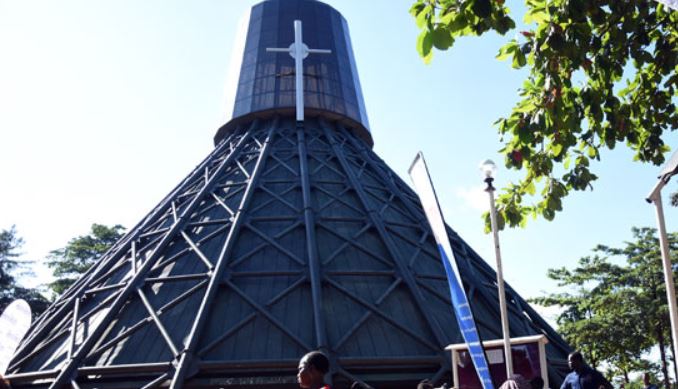
The Uganda Episcopal Conference has called for calm, unity, and prayer among Catholic faithful following the postponement of this year’s national Uganda Martyrs Day celebrations at Namugongo, in a move driven by growing public health concerns.
In a statement issued Monday from the Uganda Catholic Secretariat at Nsambya Hill, Church leaders said the decision was taken in line with government guidance as the country grapples with an Ebola outbreak that has heightened fears over large public gatherings.
While the June 3 national pilgrimage to the Uganda Martyrs Shrine will not proceed as planned, the Church emphasized that the spiritual and historical significance of the day remains undiminished.
“The commemoration of the Uganda Martyrs remains a profound witness of faith, courage, fidelity to Christ, and steadfast commitment to Christian values,” the statement read.
In place of the traditional national celebrations that draw millions of pilgrims from across Uganda and the region, the Church has directed dioceses and parishes to organize localized commemorations under the guidance of their bishops and relevant authorities.
The shift marks a significant departure from one of Uganda’s largest annual religious gatherings, underscoring the gravity of the current health situation and the need to prioritize public safety.
Rt. Rev. Joseph Antony Zziwa, Chairperson of the Uganda Episcopal Conference and Bishop of Kiyinda-Mityana Diocese, urged the faithful to remain steadfast in faith despite the disruption.
“As shepherds of God’s people, we invite all the faithful to remain calm, prayerful, united, and hopeful,” Bishop Zziwa said.
He encouraged Christians to use the moment for deeper reflection and solidarity, particularly with those directly affected by the Ebola outbreak, including patients, families, and frontline health workers.
The Church also called for intensified prayers for the nation, appealing to communities to stand together during what it described as a challenging period.

Beyond spiritual guidance, the Episcopal Conference urged strict adherence to Ministry of Health guidelines aimed at containing the spread of Ebola, emphasizing the role of individual responsibility in safeguarding public health.
Media houses were also called upon to exercise restraint and professionalism in their coverage of the outbreak, with Church leaders warning against sensational reporting that could fuel fear and misinformation.
Despite the absence of the mass gathering at Namugongo, the Church reaffirmed that the legacy of the Uganda Martyrs—whose sacrifice continues to inspire generations—remains a unifying force for the country.
The Uganda Martyrs, canonized for their unwavering faith in the face of persecution, are widely regarded as a symbol of courage, resilience, and moral conviction, values the Church says are especially relevant in times of national uncertainty.
The Episcopal Conference further appealed for national unity, noting that the Martyrs’ testimony offers a powerful reminder of the strength found in faith and collective resolve.
In recent years, the Namugongo pilgrimage has grown into a major regional event, attracting millions of pilgrims from countries including Kenya, Tanzania, Rwanda, South Sudan, and the Democratic Republic of Congo.
Its postponement, though rare, reflects a broader effort by both religious and state authorities to prevent a potential public health crisis.
As Uganda navigates the Ebola threat, the Church’s message remains clear: while circumstances may disrupt tradition, the essence of faith, remembrance, and unity endures.