
Fresh Ebola fears have gripped the country after Uganda confirmed imported cases from the Democratic Republic of Congo (DRC), triggering swift government action including suspension of flights and cross-border transport.
In an emergency briefing the Ministry of Health unveiled sweeping measures aimed at sealing off potential transmission routes, warning that the country faces a high risk due to heavy movement of people and goods across the porous border.
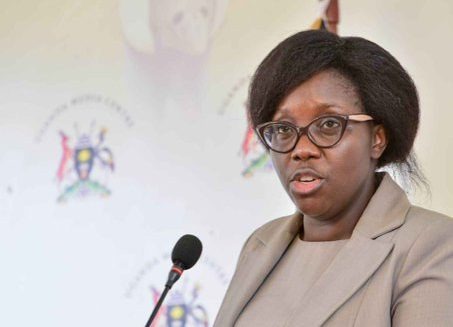
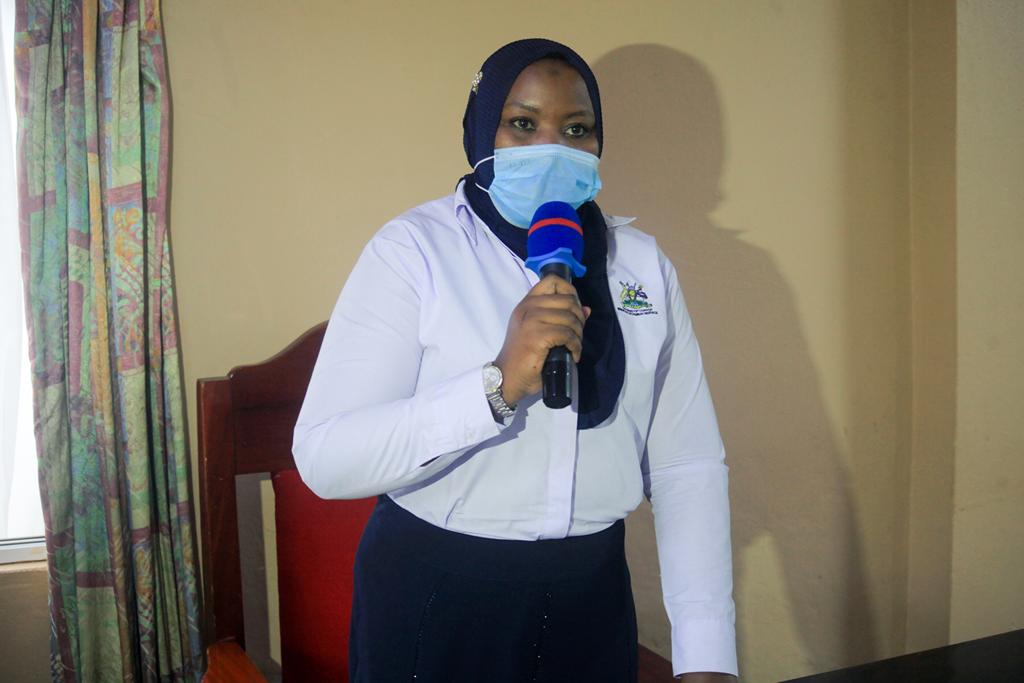
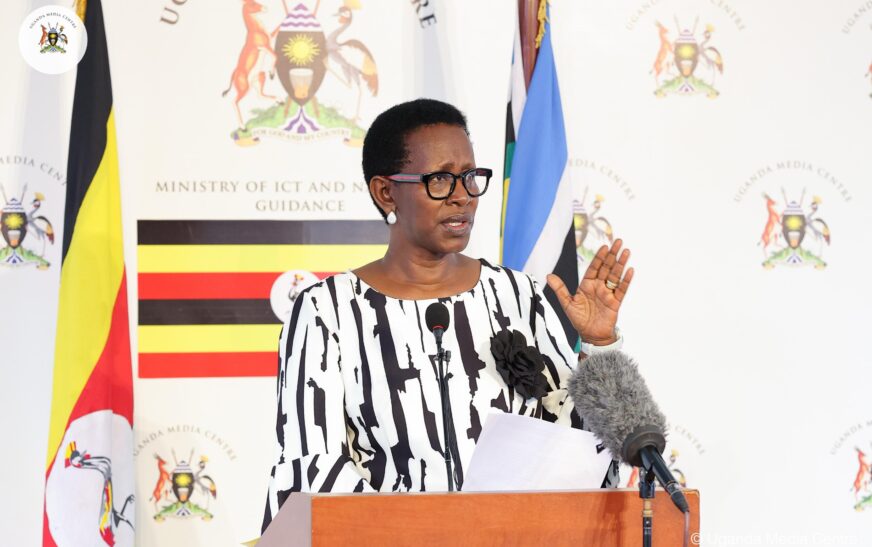
Permanent Secretary Dr Diana Atwine said two Ebola cases linked to the DRC outbreak have already been recorded in Uganda, with one patient succumbing to the virus while another is recovering under strict medical supervision.
She is now out of danger and recovering steadily, Atwine said.
The outbreak involves the Bundibugyo strain, a rare but deadly form of Ebola with no approved vaccine and a fatality rate of about 50 percent.
Health teams have since tracked down 127 contacts, all placed under quarantine as authorities race to contain any further spread. But the response has gone beyond contact tracing.
Government has ordered the suspension of all flights between Uganda and the DRC within 48 hours, halted passenger ferries on River Semliki, and banned cross-border passenger transport for four weeks, leaving only cargo and essential goods to move.
Public gatherings in border districts have also been curtailed, with cultural events and weekly markets temporarily shut down in high-risk areas.
Schools, churches, prisons and hotels have been directed to strictly enforce Ebola prevention measures, including screening and handwashing protocols.
Given our proximity to the epicentre, the risk of more cases remains high, Atwine warned.

The alert has cast a spotlight on over 25 high-risk districts, including Kasese, Bundibugyo, Kisoro, Arua, Kampala and Wakiso, where surveillance has now been intensified.
For Uganda, however, Ebola is a familiar enemy.
From the deadly Gulu outbreak in 2000 to the more recent 2022 Sudan strain epidemic, the country has repeatedly faced and contained waves of the virus through aggressive response systems.
Those past battles forced Uganda to build one of Africa’s strongest outbreak response frameworks, including rapid testing, contact tracing and isolation capacity.
Health experts say those systems are now being tested again.
Officials insist the focus is not only on stopping the virus within Uganda but also supporting efforts to contain it at the source in the DRC.
Ultimate control lies in stopping transmission in the DRC, Atwine said.
For now, authorities are urging calm but vigilance as the country once again walks a familiar tightrope, balancing public safety with economic activity in the face of a virus that has historically struck with little warning.