
Civil society coalitions Notre Terre Sans Pétrole (NTSP) and Stop EACOP have called on the governments of Uganda and the Democratic Republic of Congo (DRC) to suspend plans for transboundary oil expansion in the Albertine Graben, citing lack of transparency and potential environmental risks.
The groups say ongoing discussions between the two governments on joint oil development are being conducted behind closed doors, without public scrutiny or consultation with affected communities.
Their concerns follow a joint communiqué issued on May 11, 2026, after a meeting between President Yoweri Museveni and his Congolese counterpart Félix Tshisekedi. In the statement, the two leaders confirmed discussions on the management of shared natural resources in the Albertine Graben, including areas around Lake Albert and Lake Edward, as well as possible cooperation in the energy sector.
Activists fear the talks could pave the way for expanded oil exploitation across the border into eastern DRC.
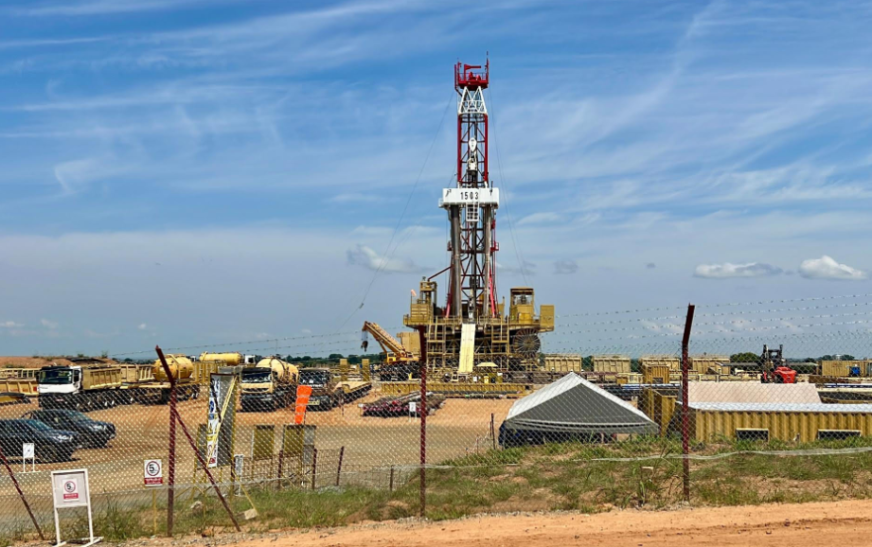
According to remarks attributed to President Museveni, President Tshisekedi proposed that the DRC participates in Uganda’s oil infrastructure, including a planned refinery and the crude oil pipeline. The two countries are believed to share oil reserves that straddle their common border.
NTSP and Stop EACOP warn that such a move could have far-reaching consequences for ecosystems and communities in the region.
“These discussions are not merely technical. They could accelerate hydrocarbon exploitation in an already fragile region without guarantees for local communities and transboundary ecosystems,” the coalitions said in a joint statement.
They also noted that neither government has publicly clarified the scope, timeline or environmental implications of the proposed cooperation.
The Albertine Graben, which spans Uganda and eastern DRC, is one of Africa’s most biodiverse regions and supports thousands of livelihoods, particularly in fishing communities around Lake Albert.
Civil society groups argue that existing oil projects in Uganda—including Tilenga, Kingfisher and the East African Crude Oil Pipeline (EACOP)—have already been linked to allegations of displacement, loss of livelihoods and environmental degradation.
Representatives of fishing communities in the DRC have since filed a case before the East African Court of Justice, citing concerns over the transboundary impact of these projects on water systems, biodiversity and livelihoods.
Local voices have also raised alarm over the effects already being felt.

“Ugandan fishermen working on Lake Albert are already experiencing impacts such as oil pollution and poor waste disposal affecting the lake,” said Uwechi Moise, a representative of Lake Albert fishing communities.
Siifa Mwesige, a fish trader operating along the lake, said increased oil activity is disrupting livelihoods, particularly for women.
“Fishmongers, especially women, are suffering due to the influx of oil workers into the region. Oil has been a curse to fisherfolk, and we do not want expansion of these activities,” she said.
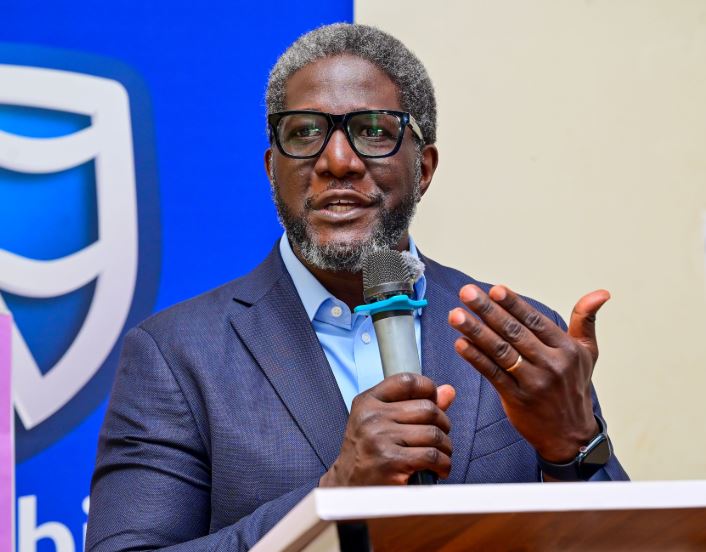
Stop EACOP coordinator Zaki Mamdoo warned that the proposed cooperation risks deepening inequality.
“What is being negotiated risks locking the region into a model where wealth is extracted while communities face displacement, pollution and loss of livelihoods,” he said.
The coalitions are now demanding that both governments ensure transparent and inclusive discussions, conduct independent environmental and social impact assessments, and guarantee meaningful participation of affected communities.
They also called for adherence to the principle of free, prior and informed consent before any further decisions are made.
“The governments must publicly disclose the impacts of existing and proposed projects and provide clear guarantees for the protection of communities and ecosystems,” the groups said.
Efforts to obtain official comment from authorities in Uganda and the DRC were ongoing by press time.