
Civil society organisations have called on Yoweri Museveni to urgently fulfil his commitments to fishing communities affected by oil developments along Lake Albert, warning that delays risk worsening human rights violations and eroding public trust.
In a joint statement, the Environmental Governance Institute Uganda and Climate Rights International said the president should take immediate steps to establish community-based fisheries protection units and reverse evictions linked to the Kingfisher oil and gas project. The organisations revealed that they had earlier written to the president on March 31, urging intervention to safeguard the livelihoods of communities living near the project.
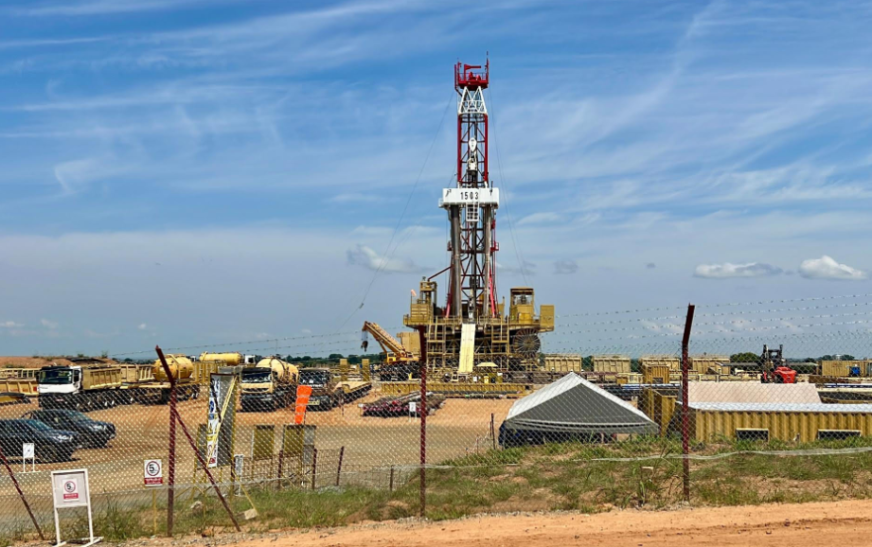
The Kingfisher development, located along Lake Albert, is jointly owned and operated by TotalEnergies, China National Offshore Oil Corporation, and the Uganda National Oil Company. It forms part of the wider East African Crude Oil Pipeline (EACOP) project, one of the region’s largest energy developments.
During his re-election campaign in August 2025, Museveni met fishing communities and pledged that indigenous fishermen would take a central role in managing lake resources. He also assured them that fisheries protection units would work with communities rather than infringe on their rights.
In a follow-up directive issued on December 26, 2025, the president ordered the dissolution of existing marine fisheries units and called for the establishment of new structures incorporating representatives of local communities.
However, according to the organisations, implementation of these directives has stalled. “Despite the President’s campaign promises, there has been no visible progress to protect the rights of fishing communities near oil and gas facilities,” said Samuel Okulony, Chief Executive Officer of the Environmental Governance Institute Uganda. He warned that the lack of action could undermine confidence among affected communities, whose livelihoods and access to lake resources remain under threat.
The groups cited reports of human rights abuses in fishing communities near the Kingfisher project, including alleged burning of fishing boats, extortion within fishing value chains, and intimidation by security forces. These findings are detailed in previous reports by the organisations, which highlight growing tensions between local communities and actors involved in oil development activities.
Concerns have also been raised over renewed evictions in oil-rich areas. During the campaign period, Museveni directed a halt to the eviction of more than 4,000 people from Kapapi sub-county in Hoima District and ordered that displaced families be allowed to return to their homes. However, the organisations allege that following the elections, the evictions resumed.

They claim that on February 26, security forces led by Brigadier Peter Nabasa carried out fresh evictions, forcing families off their land. Reports indicate that some security personnel have since occupied the vacated homes. The evictions have affected several villages, including Waaki North, Kapapi Central, Waaki South, Runga, Kiryatete, and Kiganja, leaving thousands of residents uncertain about their future.
The organisations are now calling on the government to fast-track the establishment of new fisheries governance structures that include indigenous community representation. They also want clear safeguards put in place to protect land rights, cultural heritage, and environmental integrity from undue external influence.
In addition, they are urging the president to issue a directive halting further evictions and to establish a special presidential taskforce, comprising community representatives and religious leaders, to oversee the return of displaced persons and ensure compensation for losses incurred.
“President Museveni should order the army to allow the thousands of people it evicted to return home immediately and pay compensation for their losses,” said Brad Adams, Executive Director at Climate Rights International. He added that military officials implicated in unlawful evictions should be held accountable under Ugandan law.
The call adds to growing scrutiny of Uganda’s oil and gas developments, particularly their social and environmental impact on host communities, as the country pushes forward with major energy projects tied to regional infrastructure and export ambitions.