
Uganda’s forensic authority, the Directorate of Government Analytical Laboratories (DGAL), is seeking Shs 2 billion from Parliament to acquire a specialised age-detection machine, citing mounting pressure from age-verification cases linked to the national ID renewal exercise.
The request follows a surge in referrals from the National Identification and Registration Authority (NIRA), which has increasingly turned to DGAL to authenticate age claims amid discrepancies in documentation.
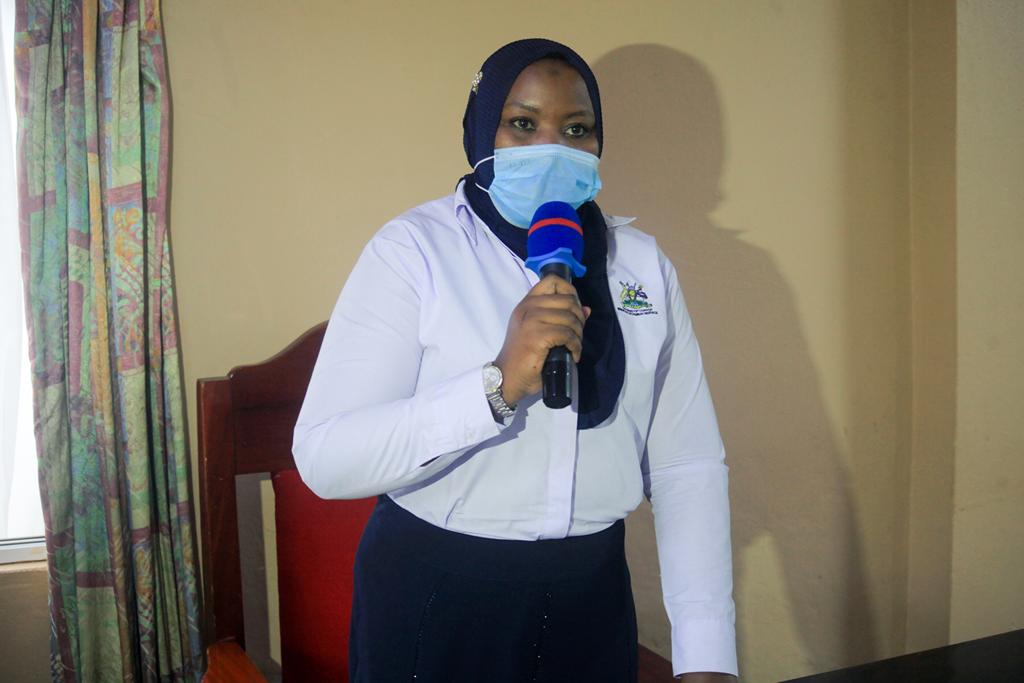
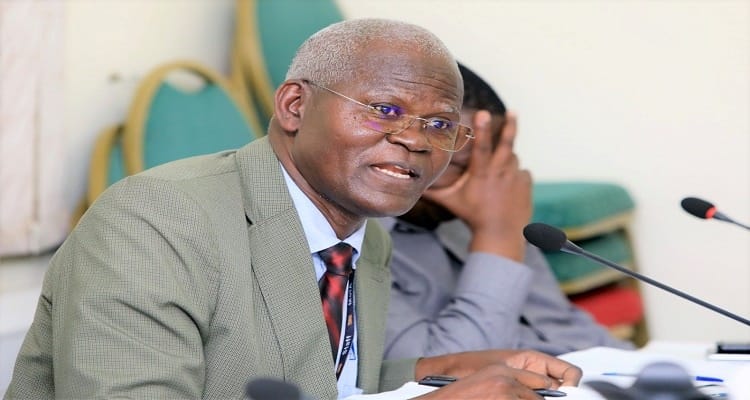
Appearing before Parliament’s Public Accounts Committee (PAC), DGAL Director Kepher Kuchana Kateu said the agency’s current reliance on documents such as birth certificates, academic transcripts, and baptism records is no longer sufficient.
“We use scientific methods to analyse and advise NIRA on whether the documents submitted correspond with the claimed age of the applicant,” Kateu told legislators, underscoring the limitations of paperwork in resolving disputed cases.
Members of Parliament questioned the robustness of the current system. PAC Vice Chairperson Gorreth Namugga raised concerns about instances where individuals allegedly refuse to disclose their age, asking how authorities establish the truth in such circumstances.
Kasilo County MP Elijah Okupa pressed the DGAL leadership on the financial implications of the proposed technology. Kateu confirmed that at least UGX 2 billion is required, adding that similar funding requests in previous budget cycles have gone unanswered — delaying laboratory modernisation efforts.

As Uganda’s principal government laboratory, DGAL provides forensic services ranging from DNA and toxicology analysis to ballistics and trace evidence examination. Beyond criminal investigations, it also supports trade verification, environmental monitoring, public health assessments, and forensic policy development.
Officials argue that acquiring the age-detection equipment would strengthen the integrity of the national identification system, particularly as thousands of Ugandans seek to update or renew their IDs.
The funding request now awaits scrutiny as Parliament finalises allocations for the 2026/27 national budget — a decision that could determine how effectively the country handles contested age-verification cases moving forward.