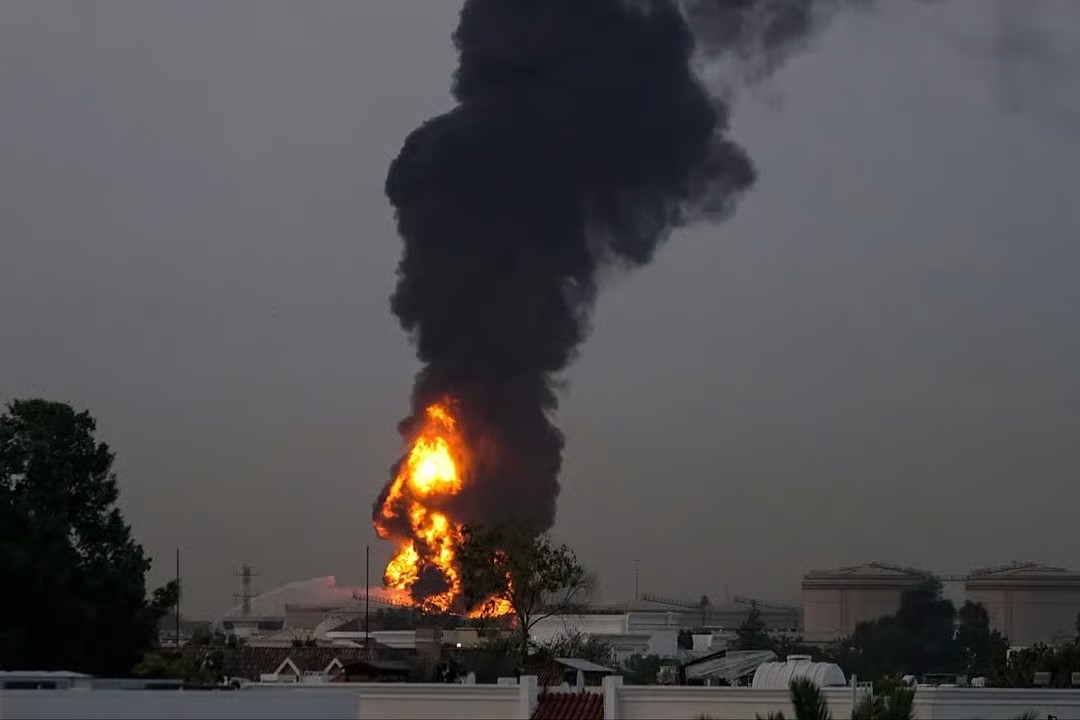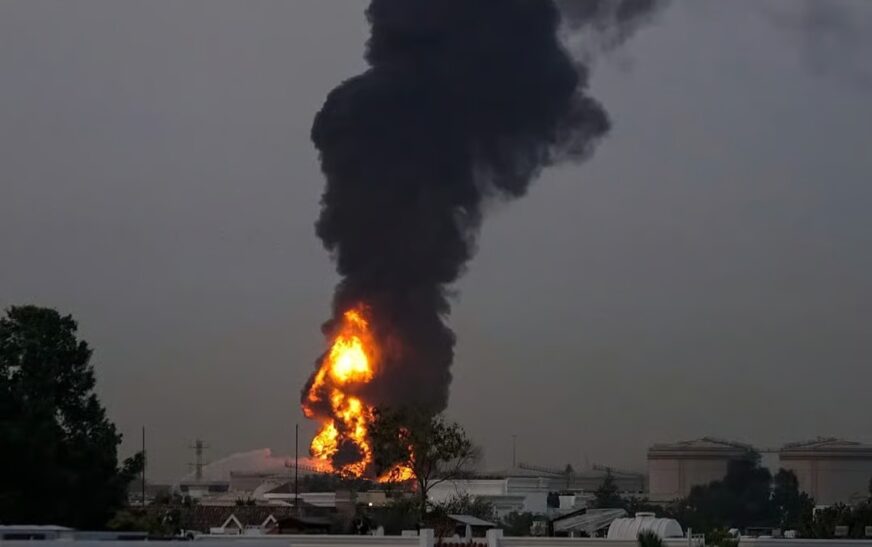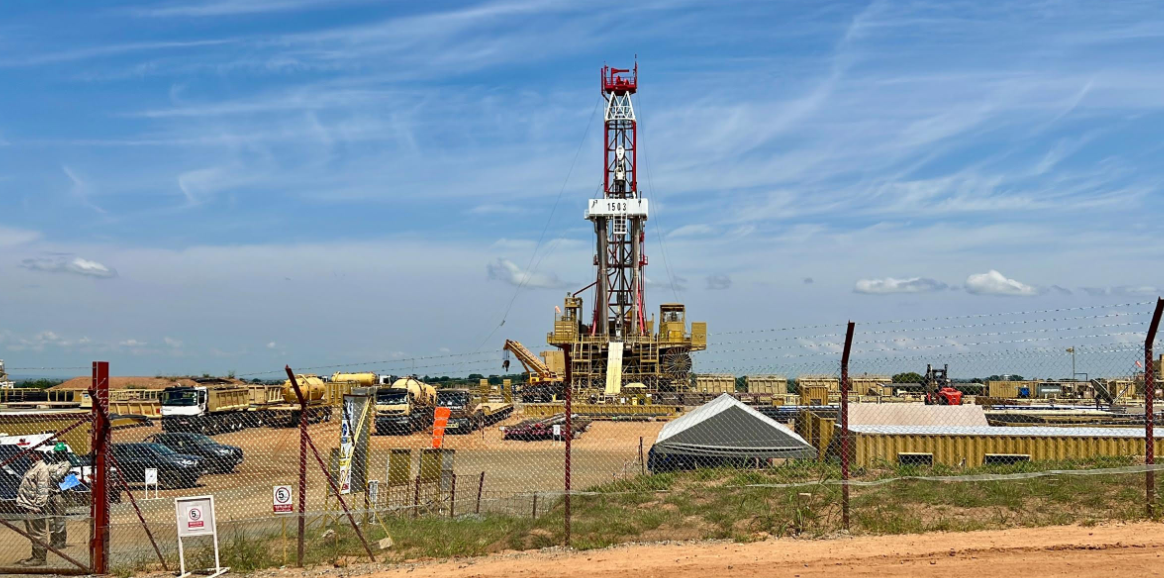


Asian economies are beginning to feel the squeeze from disruptions in the Strait of Hormuz, with several countries rolling out fuel-saving measures as global oil supplies come under strain.
The unfolding crisis driven by rising tensions in the Middle East involving Iran has slowed tanker traffic through one of the world’s most critical energy corridors, exposing deep vulnerabilities in Asia’s import-dependent economies.
In response, governments are scrambling to manage dwindling supplies and surging costs, turning to rationing policies and conservation measures to keep essential sectors running.
Japan and South Korea, backed by strategic petroleum reserves that can last more than 200 days, appear relatively shielded for now. These reserves offer a buffer, allowing authorities to stabilize supply in the short term while monitoring the evolving crisis.
But across Southeast Asia, the pressure is mounting. Countries with smaller reserves and heavier reliance on imports are being forced into quicker, more visible action.
The Philippines, with reserves covering about two months, has introduced a four-day workweek to cut fuel consumption. In Myanmar, authorities have imposed an odd-even driving system, limiting motorists to alternate days in a bid to ease demand.

Indonesia, despite being an oil producer, is also feeling the strain due to its reliance on imported crude. Some energy firms are reportedly declaring force majeure, signaling growing disruptions to supply chains.
Thailand has moved more aggressively, suspending most oil exports, enforcing price controls, and urging remote work to curb fuel use and stabilize domestic supply.
Analysts warn that even countries with large reserves are not immune. Beyond stockpile volumes, logistical constraints particularly how quickly stored oil can be refined and distributed could limit their effectiveness during prolonged disruptions.
The unfolding situation underscores the far-reaching impact of instability in the Strait of Hormuz, where even slight disruptions can ripple across continents. For Asia, the challenge now lies in balancing emergency conservation efforts with economic stability as uncertainty grips global energy markets.