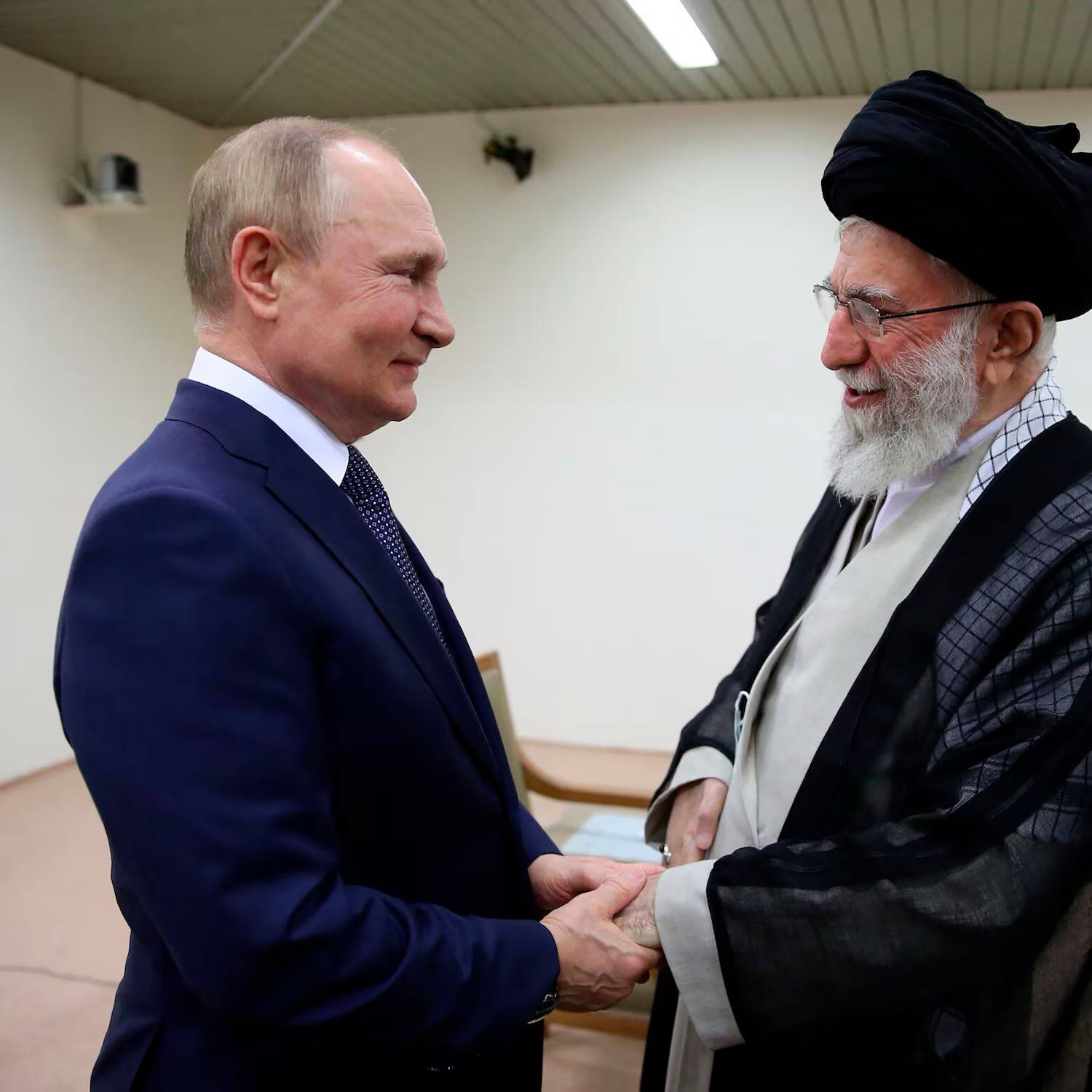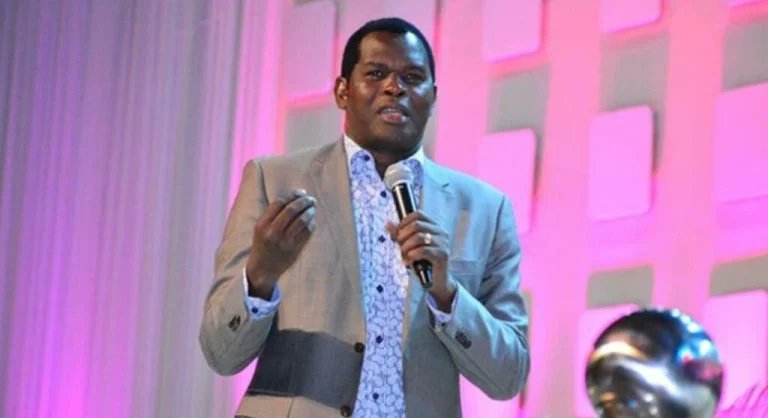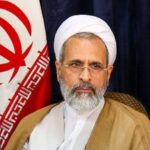

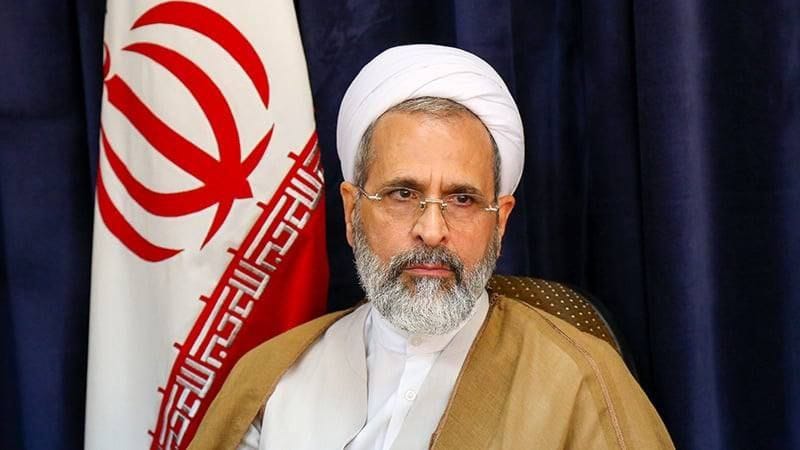
Iran has appointed Ayatollah Arafeh to the country’s Governing Council in a legal capacity, granting him the authority to temporarily perform the duties of the Supreme Leader, the Islamic Republic News Agency (ISNA) reports.
The appointment is intended to ensure continuity in Iran’s highest office, with Arafeh stepping in on an interim basis while the council oversees the responsibilities of the supreme leadership.
ISNA described the arrangement as temporary, highlighting the council’s role in maintaining stability during the transitional period.
The appointment comes amid an intense military conflict between Iran and a U.S.–Israel coalition, which has dramatically reshaped the Middle East’s geopolitical landscape.
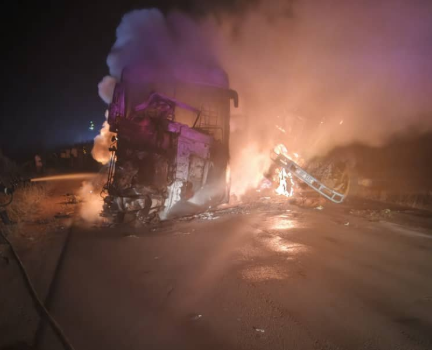
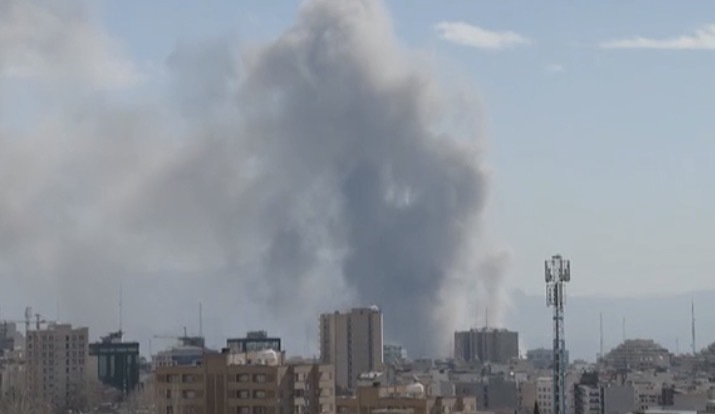
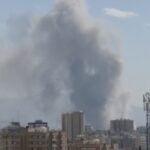
On February 28 2026, coordinated air and missile strikes by the United States and Israel targeted strategic Iranian military infrastructure and leadership facilities in a major operation that has spurred retaliatory attacks by Tehran across the region.
Headlines have been dominated by reports of widespread explosions in cities such as Tehran and Isfahan, significant civilian casualties, and fears that the conflict may escalate into a broader war drawing in neighboring states and U.S. bases across the Gulf.

This surge in hostilities follows years of deepening tensions over Iran’s regional influence, ballistic missile capabilities, and nuclear program, which have repeatedly brought Tehran into direct and proxy confrontations with Israel and its allies.
A ceasefire in the so‑called Twelve‑Day War of June 2025 momentarily eased tensions but left underlying issues unresolved, and economic strains from sanctions and military expenditures continue to weigh on Iran’s economy and domestic politics.
International reactions have been mixed, with some global powers urging restraint while others condemn the latest strikes as acts of aggression. Russia has denounced the U.S.–Israeli offensive as unprovoked and harmful to regional stability, even as diplomatic efforts intensify to prevent wider escalation.
At the same time, fears persist that continued military confrontations could further destabilize energy markets, deepen humanitarian crises, and draw additional countries into the conflict.