
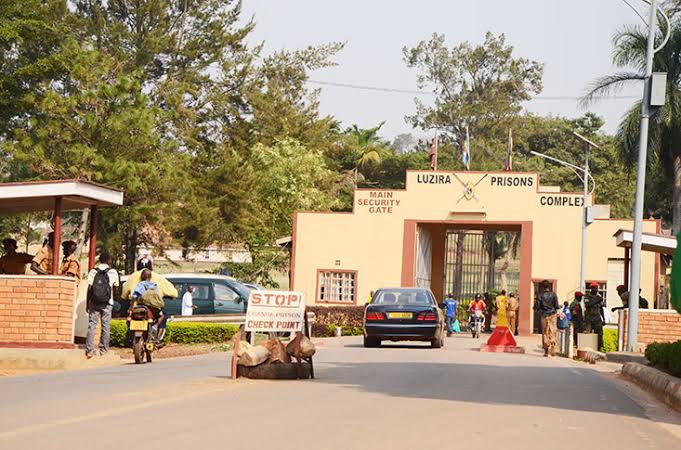
The Uganda Prisons Service (UPS) has revealed that at least 294 babies are currently living in prison facilities alongside their incarcerated mothers, a situation that has further worsened congestion in prisons across the country.
The disclosure was made by Aggrey Aturwanirire, the Commissioner of Prisons in charge of Planning, while appearing before Parliament’s Committee on Defence and Internal Affairs on January 23, 2026. He was presenting the Uganda Prisons Service 2026/27 National Budget Framework Paper.
“We are also reporting on the daily average of prisoners, and we are saying that some female prisoners have babies. This has resulted in an additional 294 babies staying with their mothers in prison,” Aturwanirire told the committee.
However, the Deputy Commissioner General of Prisons, Samuel Akena, dismissed suggestions that women become pregnant while already incarcerated. He explained that all female inmates undergo thorough medical screening upon admission, including pregnancy tests.
“Our systems are very clear. Mothers either come with babies already born or arrive while pregnant. By law, these children must stay with their mothers for up to 18 months, according to the Prisons Rules and Regulations,” Akena said.
He added that in practice, some children remain with their mothers for up to 24 months, largely because mothers are reluctant to separate from them.

“When they reach prison with these children, many mothers do not want to release them because the minimum conditions we provide are often better than what the children would face outside. As a service, we always try to make life a little better for these children,” Akena explained.
According to the Uganda Prisons Service, baby care centers have been established in major women’s prisons, where infants are provided with basic care. Akena further clarified how some babies end up being born while their mothers are in custody.
“It is also true that a woman may be arrested while pregnant. She may not even be aware of it at the time of arrest. Once she comes to prison, we conduct pre-entry screening, including pregnancy tests and other health checks such as HIV, TB, and related assessments,” he said.
He noted that women serving longer sentences while pregnant inevitably give birth while in prison, adding to the number of children residing within prison facilities.