

The next financial divide isn’t between rich and poor but between investors and Consumers

By Mitchelle Mugyeni Everyone assumes Uganda’s next financial fault line will be the old one: rich versus poor. Look closer at the numbers, and a different divide is already forming one that cuts across income levels entirely. On one side are people building ownership in the economy, on the other
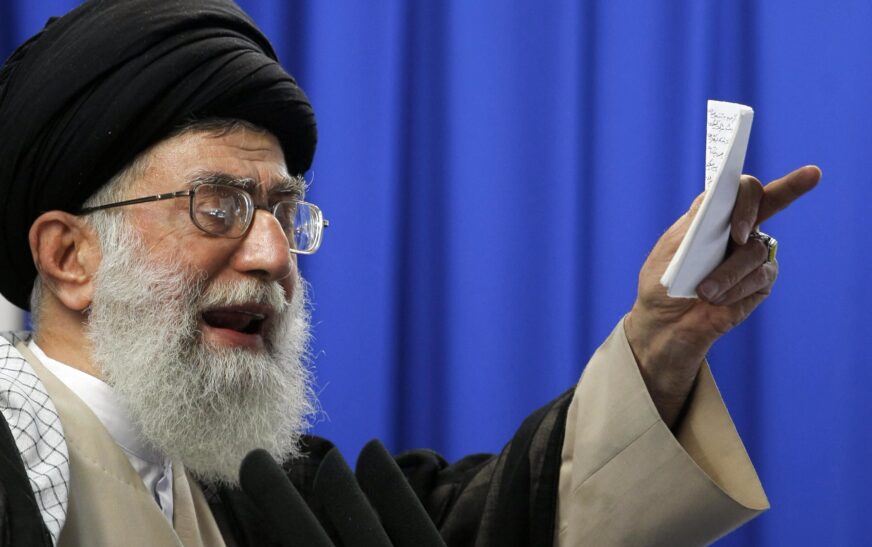
Imam Seyyed Ali Khamenei and his Vision-2025

Introduction The people of Iran as the bedrock of the Islamic Revolution have endured 47 years of ongoing cost-of-living crisis because of 47 years of sanctions. They have endured hardships of low economic growth and hyperinflation, with patience. The Imam had developed Vision-2025, which needs to be carried forward because

The Youth Dividend or the Youth Deficit? Why Uganda’s Financial System Must Adapt or Become Obsolete
There is a troubling assumption embedded within Uganda’s financial system: young people are simply not worth the risk. To many banks, microfinance institutions and investors, young people represent a weak investment proposition. They often lack collateral, guarantors, credit histories and the financial portfolios that make established corporate clients attractive. Viewed

Fifty Years Later, the Story is Still Being Written
By Ambrose Dillan Masengere Fifty years ago, someone had to believe that Public Relations in Uganda deserved a profession to call its own. There were no hashtags, LinkedIn communities or digital platforms on which practitioners could showcase their work. It was 1976, and what existed was an idea: that communication
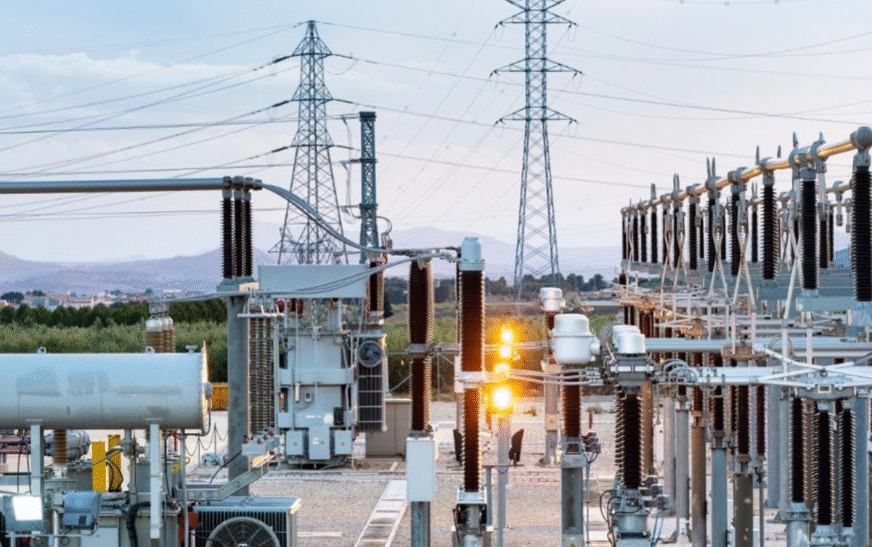
Why Mission 300 Could Accelerate the Country’s Energy Future
By Joy Nabulo Uganda stands at a critical moment in its energy development. Endowed with abundant rivers, year-round equatorial sunshine, geothermal potential and a youthful, rapidly growing population, the country has made remarkable strides in transforming its energy sector over the past decade. Through deliberate policy choices, strategic investments and

How to finance Uganda’s climate, energy, and development efforts?
By Joy Nabulo Uganda, like other developing countries, is one of the lowest emitting countries accounting for less than 0.1% of the global emissions (UNDP, 2020) yet very susceptible to the impacts of climate change Development can no longer wait and the window for climate action is closing . The
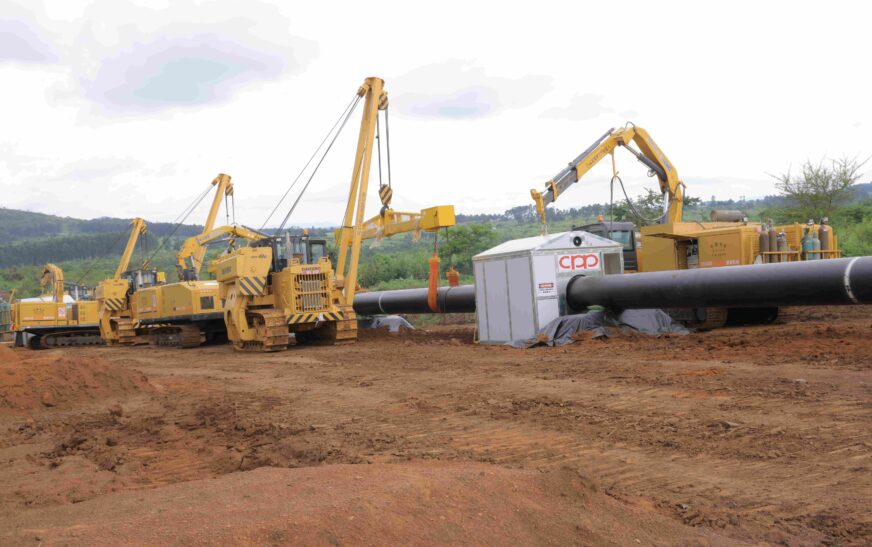
Financing the Future Young People Envision
By Elizabeth Kulume On 12 August, Uganda joined the rest of the world in celebrating International Youth Day. This year’s theme, “Different Contexts, Common Aspirations,” recognises that although young people live in very different circumstances, they share fundamental aspirations: dignity, opportunity, meaningful participation and a sustainable future. For Uganda, these
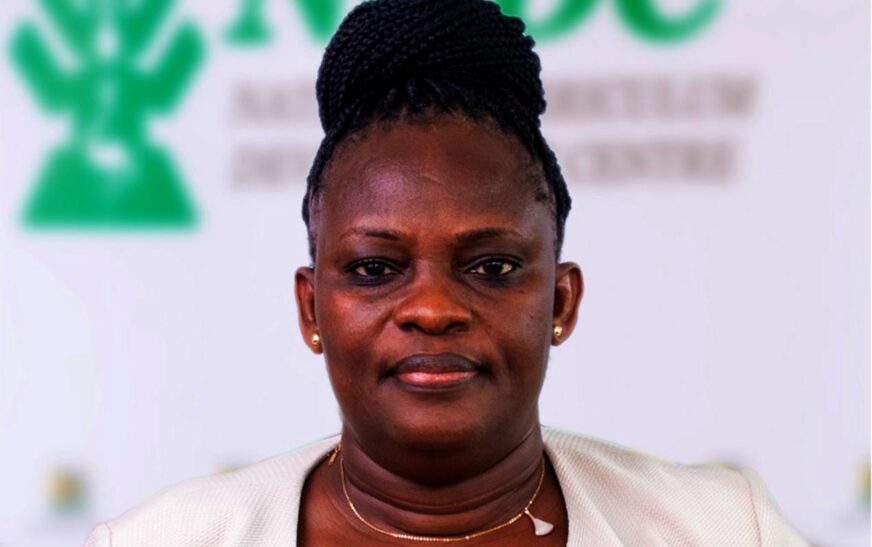
Rethinking Curriculum for a Changing World: Why Uganda’s Curriculum is Evolving
By Dr Bernadette Nambi Karuhanga Globally, education systems are confronting a fundamental question: Are we preparing learners for the world they will actually live and work in? The answer increasingly requires us to rethink not only what learners know, but what they can do with what they know. Employers increasingly
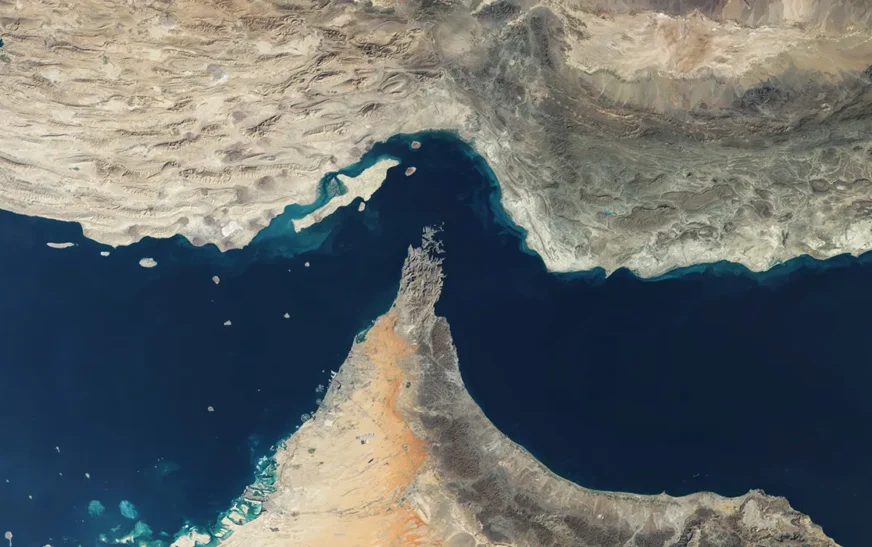
Imam Sayed Ali Khamenei: Strait of Hormuz is the regional spine of imperialism
Strategic question There are about thirty-four straits in the world. Why the focus on the Strait of Hormuz? Imam Khamenei’s challenge Imam Khamenei faced the challenge of global trade while building the domestic economy. He ensured Iran’s freedom from USA diktat. He anticipated belligerence, for which he prepared with the
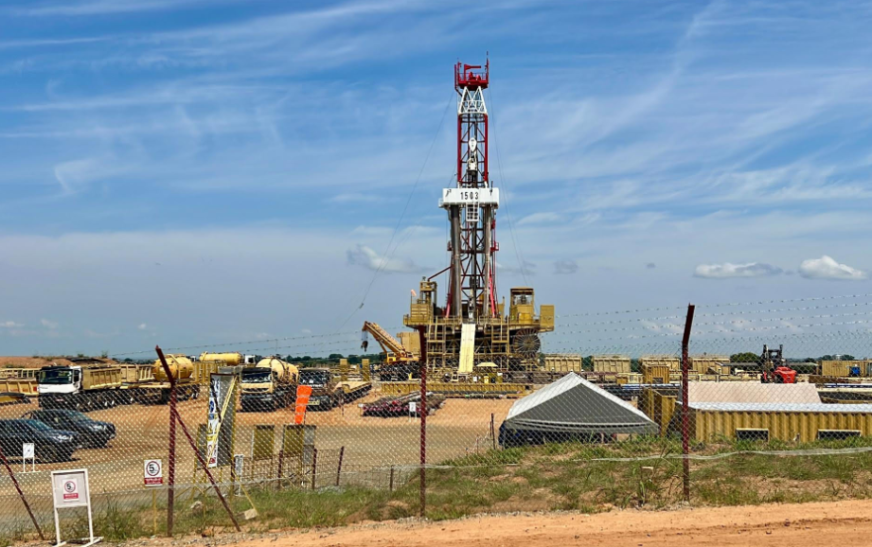
Uganda Should Reflect on Carbon Liabilities Ahead of First Oil Production
By John Peter Okwi As Uganda draws closer to produce it first oil, its bet to harness this resource coincides with a period of rising global carbon pricing, an economic reality that adds urgency to the case for a swift transition to clean energy. According to the World Bank’s recent