
As Uganda approaches its upcoming elections, several child rights organizations are calling on political parties and candidates to commit to child-friendly policies and practices. These policies should ensure that campaigns and political programs prioritize the best interests of children.
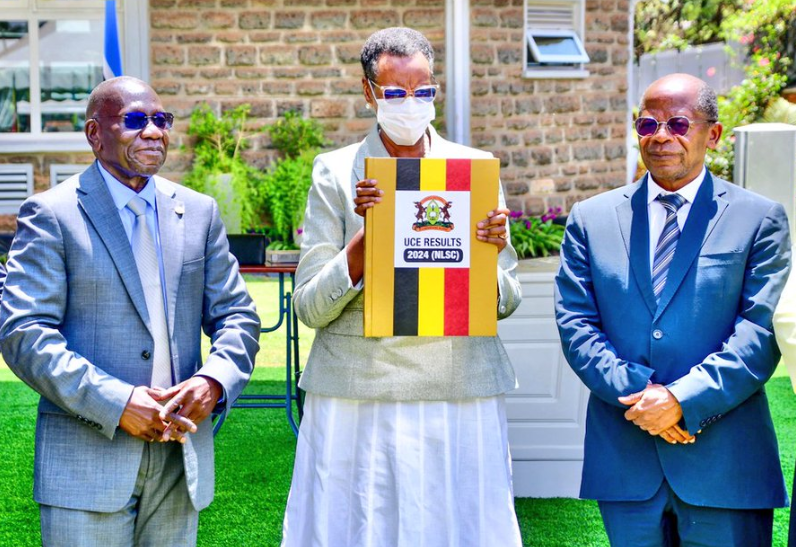
At a press conference held at the Uganda Human Rights Commission (UHRC), representatives from the National Initiative for Civic Education in Uganda (NICE-UG), the Uganda Human Rights Commission (UHRC), the Uganda Child Rights NGO Network (UCRNN), and UNICEF Uganda expressed their concerns. They emphasized that elections should never come at the expense of children’s safety, dignity, or well-being, as outlined by both national and international child protection standards.
Joseph Biribonwa, Chairperson of NICE-UG, highlighted the collective responsibility of all members of society to protect children during this time. He stated, “Protecting children from harm and exploitation is not optional. It is a shared responsibility. It is the duty of parents, caregivers, teachers, religious and cultural leaders, political figures, and the media to ensure that children are safe during elections.”
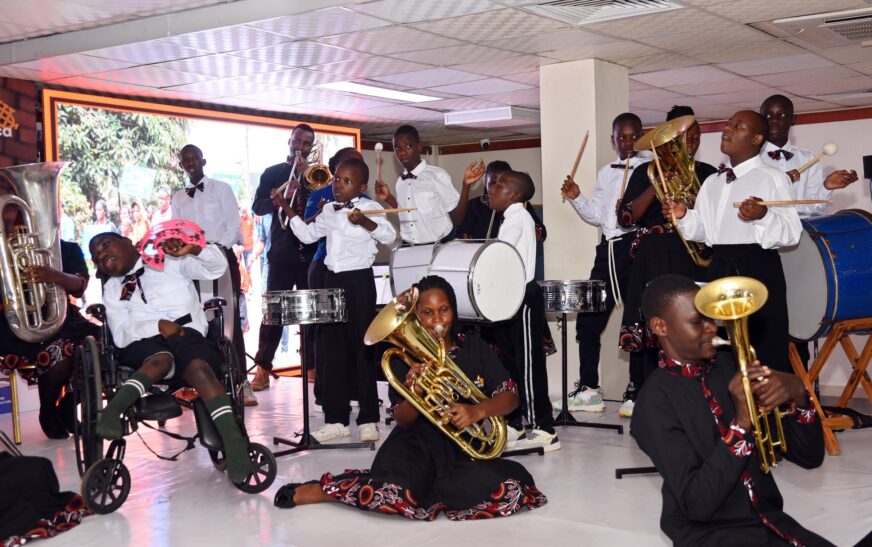
One key concern raised by the organizations was the involvement of children in rallies and campaign events, which they described as a direct violation of children’s right to protection. Such participation, they argue, exposes children to physical and psychological harm.
In addition, the organizations condemned the use of children in political advertising, calling it a form of exploitation that infringes upon children’s right to privacy and safety. They urged all stakeholders to respect and uphold children’s rights before, during, and after the election process.
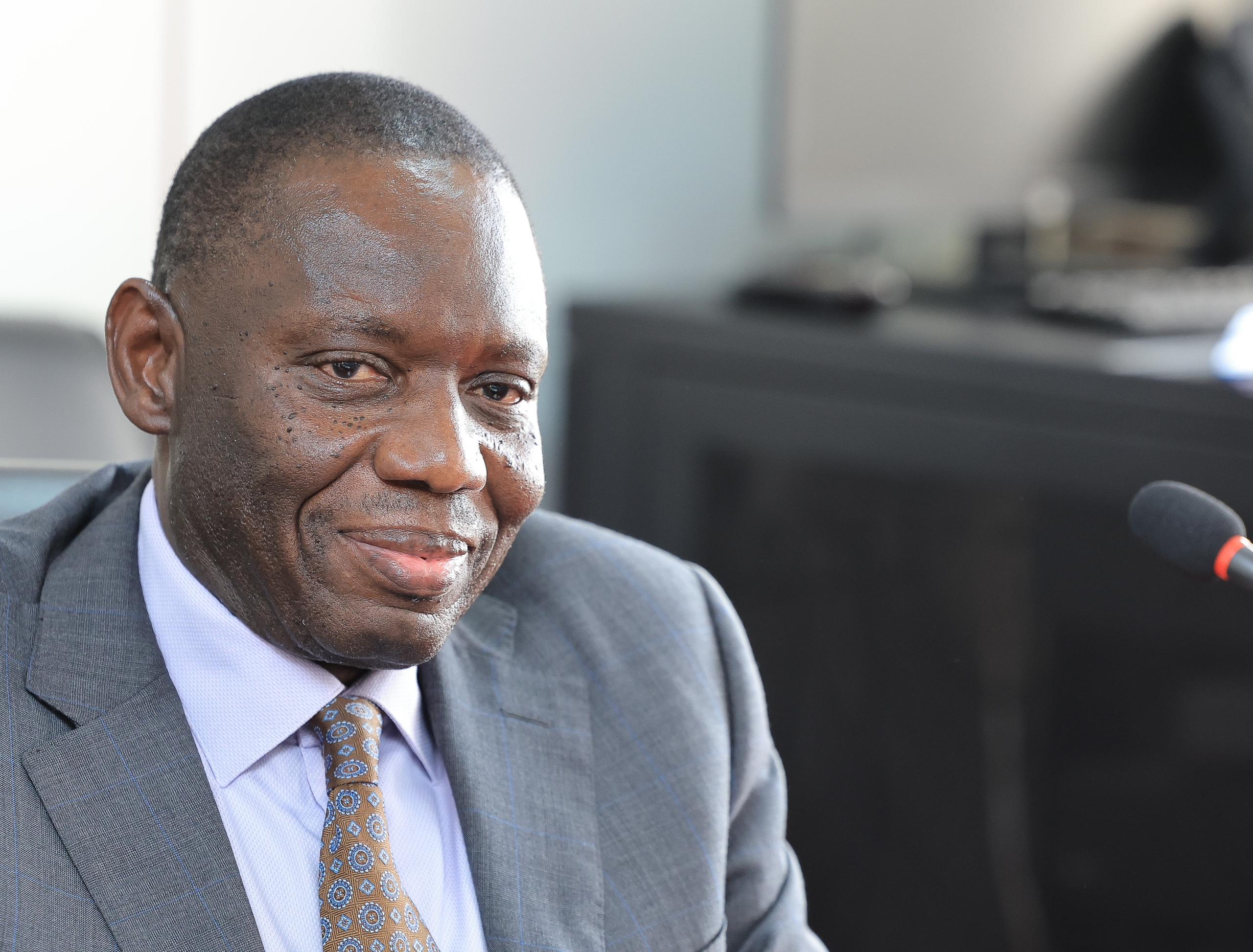
Mr. Damon Wamara, Executive Director of the Uganda Child Rights NGO Network, emphasized the importance of investing in children. “More than half of Uganda’s population is made up of children. Listening to their voices and prioritizing their rights must be at the forefront of every political leader’s agenda,” he said.
Wamara also raised concerns about the risks of election-related violence, drawing on the experiences of past elections. In previous instances, heightened political tensions led to violence, with children often caught in the crossfire. “As the saying goes, when elephants fight, the grass suffers—and in this case, the children are the grass,” Wamara explained.
Moreover, he noted that children have been used as political tools in past campaigns, often without fully understanding the political messages they are being encouraged to promote. This practice, he warned, causes rifts within families and communities, as children become targets in political conflicts.

“While it’s important for children to learn about democratic participation, they must be protected from political manipulation and violence,” Wamara added. “We urge political actors to keep children at a safe distance where they can observe and learn, but not be placed in harm’s way.”
He also cautioned against the distribution of gifts—such as money and alcohol—during campaigns, warning that these could fuel gender-based violence, which often leads to child abuse. “We must remember that children are always the last to benefit from these gifts. Whether it’s money or alcohol, these gifts often have negative consequences, including increased violence.”
Mariam Wangadya, Chairperson of the Uganda Human Rights Commission, stressed the importance of safeguarding children during the election period. “We call on all political actors to ensure that children are not exposed to political processes that compromise their rights.”
Dr. Robin Nandy, UNICEF’s Country Representative in Uganda, reiterated the organization’s commitment to working with the government and other partners to protect children’s rights. “UNICEF remains dedicated to ensuring children’s safety and well-being across Uganda, both during and after the elections,” Nandy said.
He also emphasized the critical need for investment in children, particularly in light of Uganda’s Vision 2040 and NDP4 targets. “Investing in children is non-negotiable,” he said. “Given the significant proportion of children in Uganda’s population, ensuring their well-being is key to the country’s future success.”
Child rights organizations have pointed out that past elections have demonstrated how children face heightened risks—exposure to violence, exploitation, and loss of services—during election periods. They are working on advocacy campaigns, information dissemination, and reporting mechanisms to ensure that children’s rights are upheld throughout the electoral process.