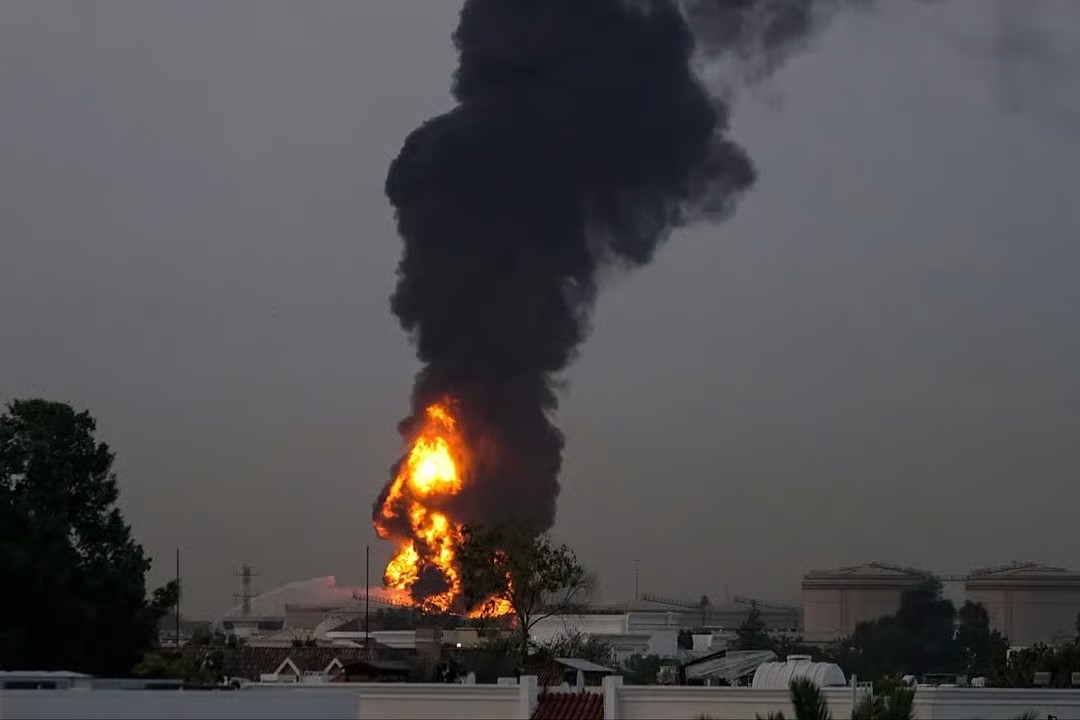


In a bid to tackle Uganda’s growing air pollution crisis, government officials, scientists, and public health experts are stepping up efforts to ensure that national air quality standards are not just adopted but actively enforced across the country’s districts and cities.
The latest push comes after a high-level, two-day workshop held in Kampala under the theme Strengthening Evidence-Driven Air Quality Governance in Uganda. The event brought together key environmental leaders, policymakers, and technical experts to chart a clear course toward improving air quality management.
The workshop, spearheaded by the National Environment Management Authority (NEMA) in partnership with AirQo, Makerere University, and the Health Effects Institute, was made possible with support from the Energy Policy Institute at the University of Chicago.
This comes on the heels of Uganda’s 2024 adoption of the National Environment (Air Quality Standards) Regulations, a landmark policy aimed at protecting public health through stringent air pollution limits and evidence-backed management programs.
Despite this significant policy breakthrough, officials admit that translating these regulations into action on the ground remains a challenge, primarily due to limited resources and technical capacity at the district and city levels.
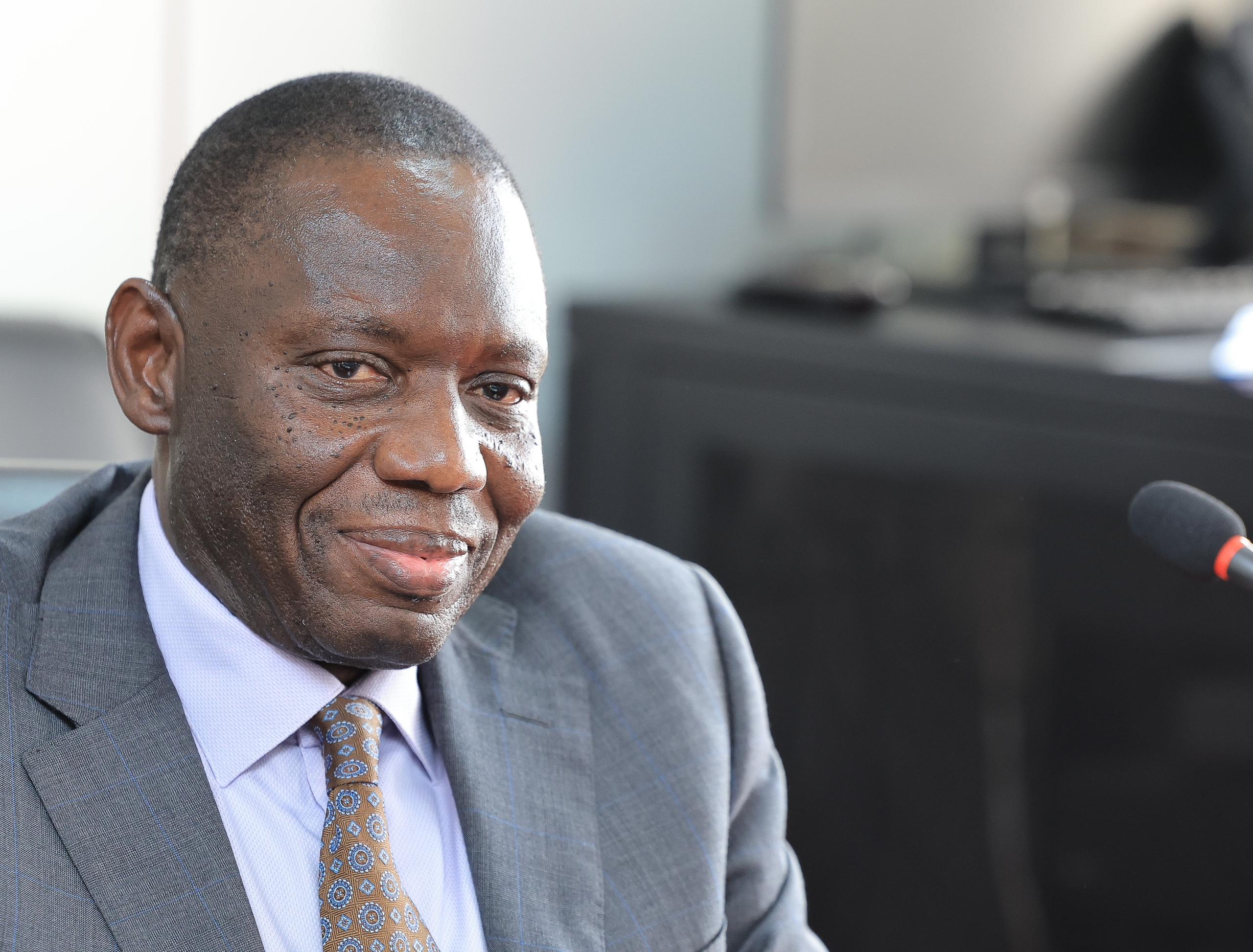
During the workshop’s opening, Barirega Akankwasah, Executive Director of NEMA, acknowledged the gap but also expressed optimism about the future.
“The adoption of the Air Quality Standards was a landmark achievement for Uganda, but the real work starts now,” he said. “Our goal is to make sure these regulations are implemented effectively at every level of government. This workshop will clarify institutional roles, improve coordination, and equip local leaders with the knowledge to act decisively against air pollution in their communities.”
Akankwasah added that by the end of the workshop, participants would leave with a sharper understanding of Uganda’s air quality framework, their specific responsibilities, and practical tools to ensure compliance and enforcement.
Air pollution, a largely invisible yet deadly threat, remains one of the biggest public health risks in Uganda. According to global health estimates, exposure to polluted air is responsible for millions of premature deaths annually, due to heart disease, stroke, chronic respiratory illnesses, and lung cancer. Studies in Kampala and other urban areas consistently reveal pollution levels that far exceed the World Health Organization’s recommended guidelines.

Deo Okure, Head of Research and Global Partnerships at AirQo, pointed to the workshop’s potential to drive meaningful, data-driven action.
“The discussions here are crucial for developing a unified, coordinated approach to managing air quality. By engaging stakeholders across sectors, we aim to create a robust framework that uses data to turn air quality improvements into real-world actions,” Okure explained.
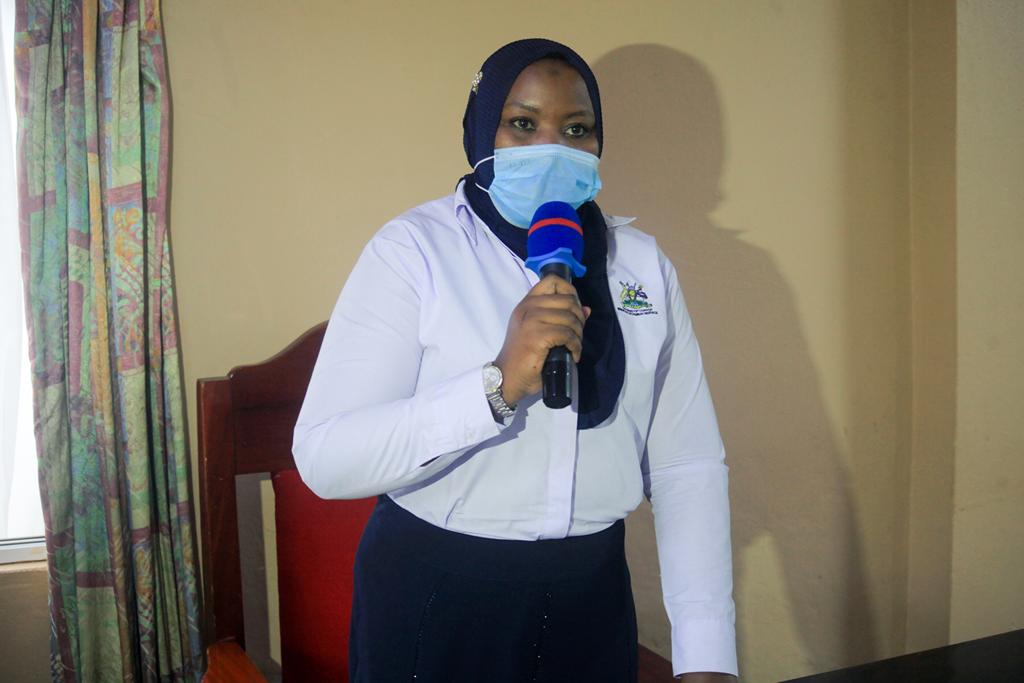
Throughout the workshop, environment and health officers from various districts participated in hands-on sessions, learning how to analyze air quality data, connect pollution levels to health outcomes, and develop local interventions based on solid evidence.
Pallavi Pant, Head of Global Initiatives at the Health Effects Institute, highlighted the urgency of effective air quality policies that go beyond theory.
“Air pollution has tangible, serious effects on public health. We need more than just strong regulations—we need effective systems of accountability, measurable indicators, and real-time progress tracking to protect communities from the harmful effects of pollution,” Pant emphasized.
Participants also explored how different sectors, including transport, energy, health, and urban planning, could collaborate more effectively to reduce pollution levels and create healthier urban environments.
This workshop is part of a broader initiative to build long-term technical capacity for air quality management in Uganda and across East Africa. Key components of this effort include supporting local research and fostering ongoing knowledge exchange between environmental professionals to ensure the sustainability of air quality improvements.