
High Sound for Children has called for a comprehensive analysis of enrolment, attendance, and completion data disaggregated by sex, region, and socio-economic status to better understand emerging gaps in primary education.
The call follows the release of the 2025 Primary Leaving Examinations (PLE) results, which show a widening disparity between boys and girls completing the primary education cycle.
According to the analysis, 389,469 boys, representing 47.6 per cent of registered candidates, completed primary education compared to 428,324 girls, accounting for 52.4 per cent. The trend mirrors the previous year’s results, where girls made up 52.5 per cent of primary school completers in 2024, compared to 47.5 per cent for boys.
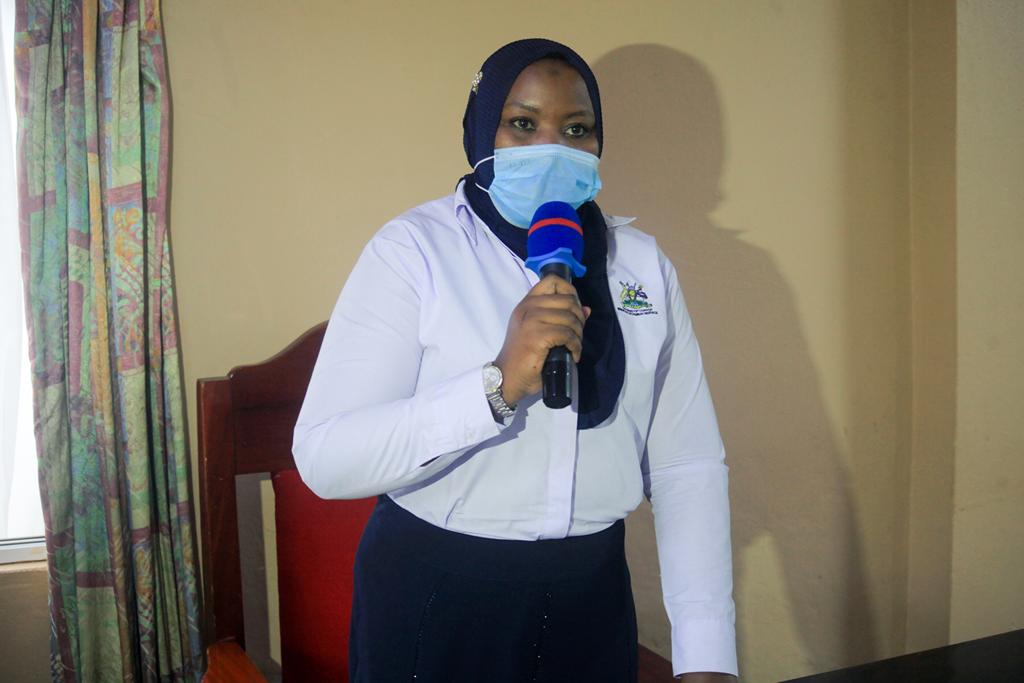
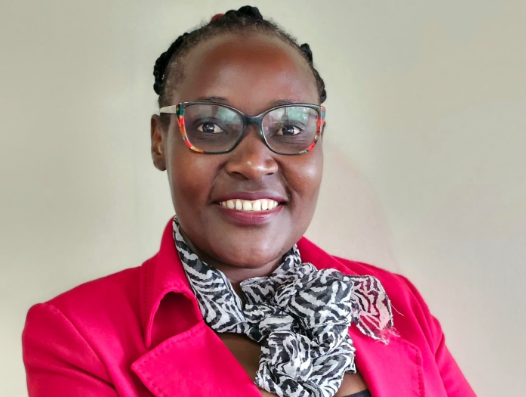
The Executive Director of High Sound for Children, Hadijah Mwanje, said the organisation welcomed the Minister of Education’s remarks highlighting the declining completion rates among boys.
“We appreciate the Minister of Education for raising this timely and important concern regarding boys’ completion rates in the primary education cycle,” Mwanje said.
While acknowledging progress made in girls’ education, Mwanje cautioned that the declining proportion of boys completing primary school requires careful, evidence-based examination.
“It is encouraging to see increased completion rates among girls, reflecting sustained national and global efforts to address historical gender disparities. However, the declining completion of boys warrants closer scrutiny,” she said.
“As the Minister rightly noted, it is critical to establish whether this trend is demographic in nature or indicative of higher dropout rates among boys.”
Drawing from field experience, Mwanje noted that boys face unique challenges that may contribute to disengagement from school.

“From our work with children, schools, and communities, we observe that boys are particularly vulnerable to pressures such as child labour, early involvement in income-generating activities, negative peer influence, substance abuse, limited male role models in lower primary, and social norms that discourage academic persistence,” she said.
She emphasized that gains made in girls’ education should be protected, while ensuring emerging gaps affecting boys are addressed with equal urgency.
“The progress achieved for girls should not be reversed. Instead, it should inspire a balanced, data-driven approach that ensures no child—boy or girl—is left behind,” Mwanje said.
She added that education equity requires continuous monitoring of new disparities, not only long-standing ones.
High Sound for Children reaffirmed its commitment to working with the Ministry of Education and Sports, schools, development partners, and communities to promote inclusive education.
“We remain committed to ensuring that every child in Uganda not only enrols in school but completes the primary education cycle with dignity, confidence, and opportunity,” Mwanje said.