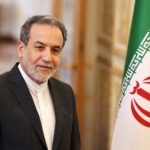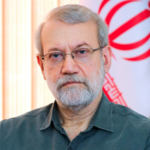

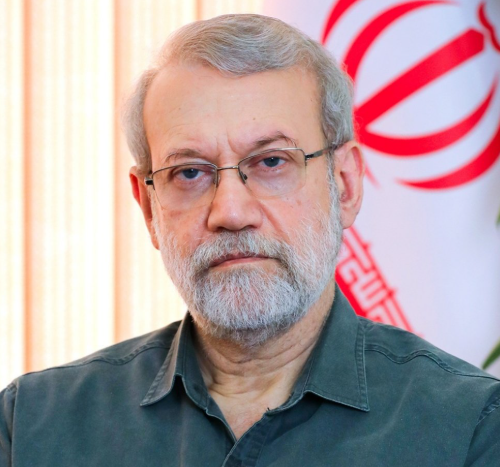
Iran has been rocked by the killing of two of its most senior figures, with state media confirming the deaths of top security official Ali Larijani and Basij militia commander Gholamreza Soleimani—just hours after Israel claimed responsibility.
The announcement, carried by the semi-official Mehr News Agency, saw Iran’s Supreme National Security Council confirm Larijani’s death, portraying it as martyrdom after years of service to the Islamic Republic.
“After a lifetime of striving for the elevation of Iran and the Islamic Revolution, he answered the call of truth and attained martyrdom,” the council said in a statement.
The development followed confirmation by the Islamic Revolutionary Guards Corps (IRGC) that Soleimani had also been killed, underscoring the scale and precision of the strike.
The twin killings mark one of the most significant blows to Iran’s leadership in recent years, signaling a sharp escalation in the shadow conflict between Tehran and Israel.

Larijani, a seasoned political heavyweight, had long been a central figure in Iran’s power structure—serving as parliament speaker and playing a key role in nuclear negotiations with Western powers. His death removes one of the country’s most experienced strategists at a critical moment.
He was last seen in public just days earlier at an Al-Quds Day rally in Tehran, standing alongside President Masoud Pezeshkian in a show of solidarity with Palestinians.
Now, with two high-profile figures eliminated in a single episode, the latest strike leaves Iran facing not only a leadership vacuum but also mounting pressure over how it will respond.